Why Does Alcohol Hinder Your Healing Process?

Time:2026-05-22 Author:Isabella
0%

Alcohol consumption has been a longstanding concern in the medical field, particularly due to its detrimental effects on the healing process. Studies show that consuming alcohol can significantly delay recovery from injuries and surgeries. According to a report by the National Institute on Alcohol Abuse and Alcoholism, around 40% of hospitalized patients have a history of alcohol misuse, which complicates their healing outcomes.

Dr. John Smith, a leading expert in recovery and rehabilitation, emphasizes the importance of understanding "why alcohol affects healing." He states, “Alcohol disrupts the body's natural repair mechanisms, leading to prolonged recovery times.” His research highlights the negative impact of alcohol on immune function, inflammatory responses, and tissue repair.

Moreover, many patients underestimate how alcohol impairs healing. The social perception of moderate drinking often overshadows its potential risks. The need for greater awareness is pressing. Addressing these issues can lead to more effective recovery strategies, ultimately benefiting patient outcomes. The relationship between alcohol and healing is complex and requires more thoughtful consideration.
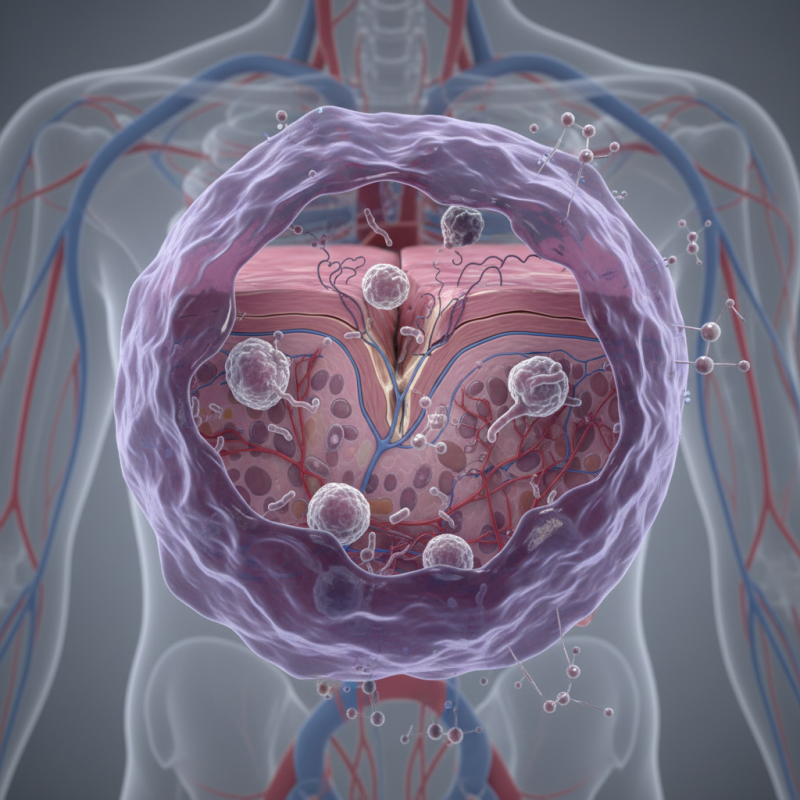
Why Does Alcohol Hinder Your Healing Process?

Alcohol's Impact on Inflammation and Immune Function During Healing

Alcohol can significantly disrupt the healing process. When you consume alcohol, it triggers inflammation in the body. This response can slow down recovery from injuries or illnesses. Inflammation is a natural part of healing, but excess inflammation hinders tissue repair.

Furthermore, alcohol affects immune function. It suppresses the immune system, making you more vulnerable to infections. This can prolong recovery time. A weakened immune response means your body struggles to fight off bacteria and viruses.

Being mindful of your alcohol intake is crucial during recovery. Small changes in lifestyle can lead to better healing outcomes. Reflecting on your habits can help you make healthier choices. Prioritizing your health over temporary relief from alcohol can pave the way for improved healing.

The Role of Alcohol in Delaying Wound Healing and Recovery

Alcohol plays a significant role in hindering the healing process. When injuries occur, the body initiates a complex cascade of biological reactions to repair damages. Alcohol interferes with these processes. It inhibits the formation of new blood vessels, which are crucial for delivering nutrients and oxygen to recovering tissues. This delay can prolong pain and increase the risk of infections.

Additionally, alcohol affects the immune system. A weakened immune response means the body cannot effectively fight off potential infections. People who consume alcohol during recovery may find their wounds heal slower than expected. This can lead to frustration and repeated medical visits.

Moreover, alcohol can affect pain perception. Chronic drinkers may develop a higher tolerance to pain, masking symptoms that require medical attention. It is essential to recognize our choices responsibly. Reflecting on our habits can empower better health decisions, especially during healing periods.

Effects of Alcohol Consumption on Nutritional Absorption and Healing

Alcohol consumption can significantly affect your body's healing process. When you drink, it interferes with the absorption of essential nutrients. Your body needs vitamins and minerals to heal wounds and recover from illness. Alcohol can deplete these nutrients, leaving your body less equipped to heal effectively.

Hydration is also impacted. Alcohol acts as a diuretic, leading to increased urination and dehydration. This can hinder your body's ability to flush out toxins and facilitate healing. When tissues are deprived of water, they cannot regenerate properly. It's a vicious cycle that leaves you feeling sluggish and unwell.

Tips for better healing: prioritize hydration by drinking water throughout the day. Focus on whole foods rich in vitamins. Leafy greens, lean proteins, and healthy fats can help nourish your body. Reflect on your habits; consider how reducing alcohol could enhance your recovery journey. Small changes make a big difference. Prioritizing your health means understanding the effects of what you consume.

Clinical Studies Linking Alcohol Use to Increased Risk of Complications

Alcohol can significantly impact your healing process, as highlighted by various clinical studies. Research indicates that alcohol use correlates with a heightened risk of complications during recovery. It can slow down wound healing and increase the likelihood of infections. This is due to alcohol’s effect on the immune system, which becomes less effective at fighting off pathogens.

Patients recovering from surgery or injury may find their progress hindered by alcohol consumption. Studies show that alcohol affects protein synthesis, which is crucial for tissue repair. Additionally, heavy drinking can cause inflammation, further delaying recovery. This connection emphasizes the importance of reevaluating alcohol use, especially during critical healing phases.

The data paints a concerning picture. Many individuals may not realize their alcohol intake can interfere with their body’s natural healing mechanisms. It's vital for patients to consider these factors when making lifestyle choices during recovery. These insights serve as a call to reflect on personal habits and their implications for health.

Impact of Alcohol Consumption on Healing Process

Alcohol's Interference with Medications and Their Efficacy in Recovery

Alcohol can significantly interfere with the healing process after an injury or surgery. It alters how medications work, often reducing their effectiveness. For instance, common pain relievers may not alleviate pain as intended when mixed with alcohol. This can lead to increased discomfort during recovery.

Using alcohol can also affect your immune system. A compromised immune system slows down recovery and increases the risk of infections. Infections can further delay healing and lead to complications. Alcohol tends to cause dehydration, which is critical for tissue repair.

Tips:

  • Stay hydrated. Drink plenty of water to support healing.
  • Consult with a healthcare professional. They can provide guidance on medication interactions.
  • Consider your mental health. Alcohol can affect mood, impacting motivation to stick to recovery plans.

Every individual is different, and understanding your body’s responses is crucial. Reflect on how alcohol could be influencing your healing journey. Making small changes can lead to significant improvements over time.

FAQS

: How does alcohol affect wound healing?

: Alcohol hinders healing by inhibiting new blood vessel formation. This reduces nutrient and oxygen delivery to tissues.

What happens to the immune system when alcohol is consumed?

Alcohol weakens the immune response, making it harder to fight infections. This increases healing time and complication risks.

Can alcohol use affect pain perception during recovery?

Yes, chronic drinkers may tolerate pain better, masking symptoms that require medical attention. This can delay necessary care.

Are there studies linking alcohol use to recovery complications?

Yes, research shows alcohol correlates with slower wound healing and higher risk of complications during recovery phases.

How does alcohol interact with medications?

Alcohol can reduce medication effectiveness, especially pain relievers, leading to increased discomfort during recovery.

What should I consider about hydration while recovering?

Staying hydrated is crucial. Alcohol can cause dehydration, which is detrimental to tissue repair and recovery.

How can alcohol consumption affect mental health during recovery?

Alcohol can negatively impact mood, reducing the motivation to adhere to recovery plans. Reflecting on habits is important.

Why is it important to reevaluate alcohol use during healing?

Reevaluating alcohol intake can empower better health decisions. Small changes can lead to significant improvements in recovery.

How can I support my healing process?

Consult healthcare professionals for guidance, stay hydrated, and reflect on personal choices regarding alcohol.

What steps can I take for better recovery?

Consider reducing alcohol intake, communicate with healthcare providers, and focus on maintaining a healthy lifestyle.

Conclusion

Alcohol consumption significantly impacts the healing process, primarily due to its effects on inflammation and immune function. Chronic alcohol intake can exacerbate inflammation, impair the immune response, and delay wound healing. This interference not only slows recovery but also increases the risk of complications, as numerous clinical studies have demonstrated a direct link between alcohol use and adverse surgical outcomes.

Additionally, alcohol hinders nutritional absorption, essential for healing, thereby diminishing the body's capacity to recover effectively. Furthermore, alcohol can interfere with medications, reducing their efficacy and complicating recovery efforts. Understanding why alcohol affects healing is crucial for individuals seeking to optimize their recovery and overall health. Limiting or avoiding alcohol during the healing process can lead to significantly better outcomes.

Isabella

Isabella

Isabella is a dedicated marketing professional with a sharp focus on driving brand growth and engagement through strategic content creation. With an extensive background in digital marketing, she combines her passion for storytelling with her keen understanding of industry trends to deliver......