Magnetic Resonance Imaging (MRI) has revolutionized medical diagnostics, but safety concerns remain. According to the American College of Radiology, approximately 30 million MRIs are performed annually in the United States. With such high usage, it is crucial to understand how to check MRI safety effectively for both patients and equipment. Dr. Emily Sanders, a leading MRI safety expert, states, "Effective safety checks are not just optional; they are essential for patient care."
In many facilities, safety protocols may lack uniformity. For instance, not all staff members are trained equally in identifying safety hazards. Equipment malfunctions can also arise from inadequate checks. The implementation of consistent MRI safety auditing could significantly reduce risks. Experts recommend regular training and updates on safety measures to enhance awareness among medical staff.
Moreover, some patients may not disclose specific medical implants, complicating the safety assessment process. Continuous education is vital to bridge this gap. There remains a pressing need for improved safety standards. As technology evolves, so does the necessity for robust safety measures in MRI practices. Understanding how to check MRI safety is paramount to ensuring successful outcomes for patients and maintaining the integrity of diagnostic equipment.
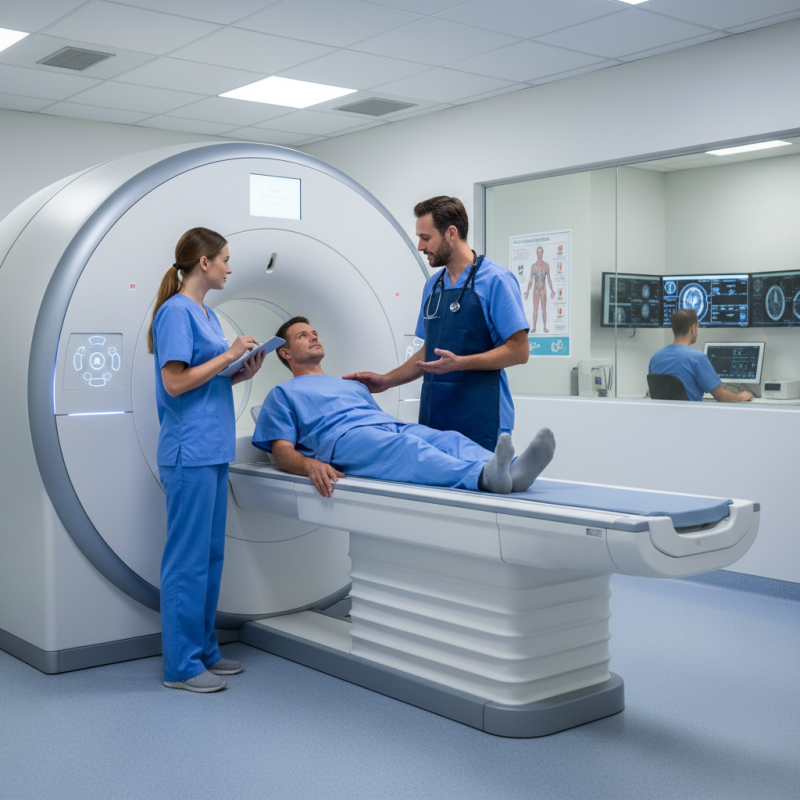
MRI safety is crucial for both patients and medical equipment. Understanding the basic principles of MRI safety helps create a risk-free environment. Patients should be aware of certain guidelines before entering the MRI suite. For example, metal objects can pose significant risks. Jewelry, watches, and credit cards should be removed to avoid accidents.
Patients with certain implants must communicate with the MRI staff. Devices like pacemakers or cochlear implants may be incompatible with MRI machines. It is vital for patients to disclose their medical history. Open communication ensures the safety of everyone involved.
Equipment safety is equally important. MRI machines produce strong magnetic fields that can affect nearby devices. Facilities must maintain strict protocols for equipment used within the MRI area. Regular checks of the safety signage and equipment functionality are essential. However, even the best practices can have flaws. Staff education on new safety protocols should never stop. Continuous learning is necessary to prevent oversight in this critical field.
MRI safety is crucial for patient care and successful imaging. Effective patient screening protocols can help identify potential risks before the procedure. Healthcare providers should begin by asking patients about any metallic implants, such as pacemakers or clips. This screening helps to prevent accidents during the scan.
In addition, it is important to assess patients for any history of claustrophobia or anxiety. These conditions can affect a patient’s comfort during the MRI. Offering options like open MRI machines or sedation may help mitigate these concerns. Staff training on these protocols ensures that patients are adequately screened.
While current methods are generally effective, challenges remain. Some patients may forget to disclose important information. Others may not fully understand the implications of having certain materials in their bodies. Continuous education and effective communication are key. Testing patient awareness about safety protocols can strengthen the screening process. A more thorough approach will lead to a safer, more reliable MRI experience.
Monitoring equipment safety standards in MRI facilities is crucial for patient well-being. Equipment used in MRI scans must be thoroughly vetted to ensure compliance with safety regulations. Regular inspections are necessary to identify any potential hazards caused by the strong magnetic fields. It’s not enough to rely on manufacturer guidelines; standardized checks for all equipment should be implemented.
Tips for checking equipment safety include maintaining a log of all inspections. This log should document any repairs or issues encountered. Also, consider establishing a regular schedule for safety audits. Engaging trained professionals to conduct these audits can help ensure high standards.
Clear communication with staff about safety protocols is essential.
Remember, patient safety in MRI settings extends beyond the machines themselves. Staff must be well-informed about the risks associated with each piece of equipment. Regular training sessions can reinforce safety knowledge and best practices. Monitoring equipment safety standards isn’t just about compliance; it’s about fostering a culture of safety. Continuous improvement and reflection on practices are necessary for the highest standards.
When considering an MRI procedure, assessing implant compatibility is critical. Many patients have medical implants, which may pose risks during scans. Common implants include stents, pacemakers, and orthopedic devices. Each has different safety protocols. Therefore, thorough screening is essential.
Tips: Always communicate with your medical team about any implants. They can provide detailed information. Get a copy of the implant's specifications if available. This helps in verifying compatibility with MRI machines.
Difficulty can arise if patients are unsure of their implant details. Miscommunication can lead to serious safety risks. Some materials are safe in MRIs, while others are not. For instance, ferromagnetic metals can cause harm. It’s crucial to carry an updated list of implants for safe assessments.
Tips: Consider scheduling a consultation with an MRI technician. They can help clarify safety concerns. Ask about alternative imaging methods if compatibility cannot be assured. This proactive step could prevent potential hazards. Always prioritize safety by staying informed.
| Patient/Equipment | Implant/Material | MRI Safety Status | Notes |
|---|---|---|---|
| Patient A | Cochlear Implant | Conditional | Requires specific protocols |
| Patient B | Pacemaker | Not Safe | Remove device before MRI |
| Patient C | Metal Hip Implant | Safe | MRI-compatible |
| Patient D | Neurostimulation Device | Conditional | Monitor patient closely |
| Patient E | Dental Implant | Safe | MRI-compatible |
MRI safety incidents can pose significant risks, making effective emergency procedures essential. According to the American College of Radiology, about 20% of MRI-related incidents involve patient injuries. Common causes include equipment malfunctions and lack of proper screening for ferromagnetic items. Such incidents underline the need for rigorous protocols.
Preparedness is key in managing emergencies. Medical staff should receive training to quickly respond to adverse events. For instance, an MRI room should have emergency shut-off mechanisms easily accessible. Training sessions can help improve familiarity with equipment. Regular drills can also reinforce a culture of safety among the team.
Post-incident analysis is crucial for improvement. Hospitals that track MRI incidents report a significant reduction in repeat occurrences. A study highlighted that institutions adopting thorough root-cause analyses saw a decrease in patient injuries by up to 30%. Continuous learning helps integrate safety into daily operations, contributing to a more secure environment for both patients and staff.
: Patients should take off jewelry, watches, and credit cards to avoid accidents.
Disclosing medical history helps ensure safety, especially with implants like pacemakers.
Claustrophobia may cause discomfort, so assessing it beforehand is important.
Common risky implants include pacemakers, stents, and orthopedic devices.
It's helpful to get specifications of implants to discuss with the medical team.
Patients sometimes forget to disclose important information or misunderstand risks.
Open MRI machines or sedation may be offered to improve comfort.
Staff education on safety protocols should be ongoing to prevent oversights.
Consult with an MRI technician for clarity and ask about alternative imaging options.
Ongoing learning helps improve communication and enhances the overall MRI experience.
Ensuring MRI safety is crucial for both patients and equipment used during procedures. To effectively address "How to check MRI safety," medical professionals should first understand the fundamental principles of MRI safety, which include recognizing potential risks associated with magnetic fields. Implementing patient screening protocols is essential to identify any contraindications such as implants or health conditions that may pose a risk during the scan.
Additionally, monitoring the safety standards of MRI equipment is vital to maintain a safe environment in MRI facilities. Assessing implant compatibility is another critical factor, as some devices may not be MRI-safe. Lastly, having established emergency procedures can help quickly address any incidents that may arise during MRI sessions, ensuring patient safety and minimizing risks associated with this imaging technology.

Wigivida Medical