Choosing reliable cotton swab and ball suppliers affects daily hygiene, product safety, and customer trust. China’s manufacturing sector offers many options, but quality can differ between factories. This guide introduces China Top 10 Cotton Swab and Ball Suppliers for Hygiene, focusing on practical procurement needs rather than attractive catalog images.
The suppliers are considered through material selection, cotton softness, stick strength, packaging cleanliness, and production consistency. Important evidence may include ISO certifications, batch records, laboratory testing, and clear quality-control procedures. Buyers should also examine samples closely. A swab should not shed loose fibers during gentle use. Cotton balls should remain compact when handled with clean gloves. Small details matter.
How to maintain hygiene using cotton swabs and balls depends on proper storage and careful application. Keep unopened packs dry and sealed. Never touch unused items with unwashed hands. Use each swab or cotton ball once, then discard it responsibly. Avoid inserting cotton swabs deeply into ears, wounds, or other sensitive areas. They are designed for external cleaning and controlled application, not aggressive treatment.
Supplier performance is not always perfect. A factory may provide excellent samples but struggle during large orders. Packaging can also appear clean while inner handling remains unclear. For that reason, buyers should request current test reports, production photographs, inspection records, and traceable batch information. Price matters, but dependable hygiene standards matter more. This overview supports a more careful comparison of suppliers, applications, and long-term purchasing risks.
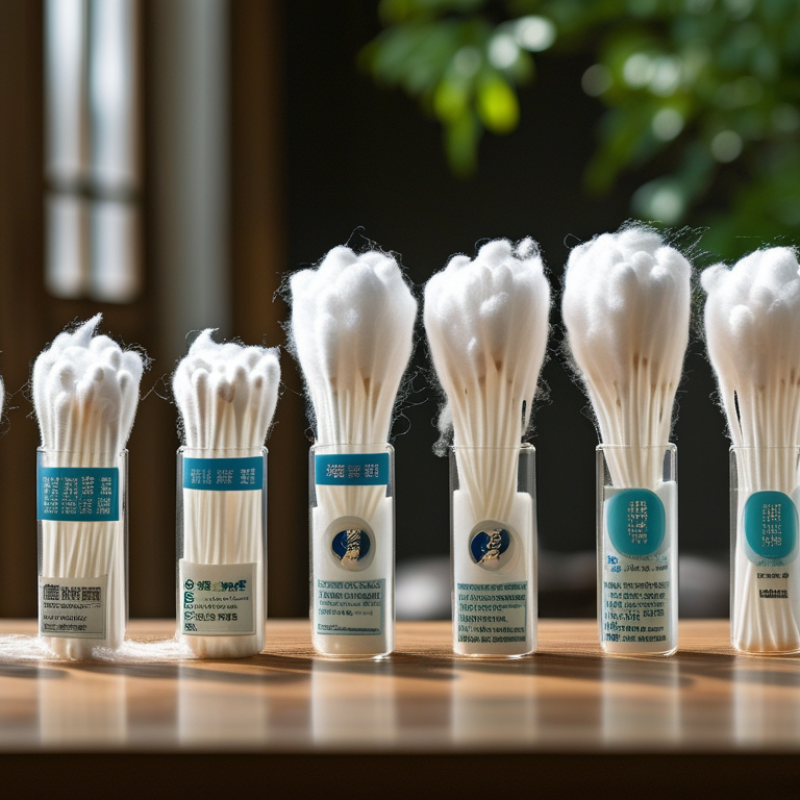
Cotton swabs and cotton balls support many everyday hygiene routines. Cotton balls help apply cleanser, antiseptic, toner, or baby-care products over larger skin areas. They also absorb small spills during first-aid preparation. Cotton swabs suit precise tasks, such as applying ointment around a minor cut or cleaning the outer ear.
Market data shows steady demand for these simple products. Grand View Research’s 2024 cotton swabs market analysis projects continued growth through 2030, supported by personal care and healthcare use.
A 2023 WHO and UNICEF hygiene update reported that 2.3 billion people still lacked basic hygiene services at home. That figure does not measure cotton-product demand directly. However, it shows why affordable, familiar hygiene tools still matter.
Cotton is soft, but “natural” does not automatically mean sustainable. Single-use waste remains a weak point.
When evaluating hygiene product suppliers in China, begin with factory evidence, not attractive catalogs. Ask for the registered company name, production address, and recent factory audit records. A trading office may still be useful, but its manufacturing role must be clear.
Inspect raw cotton sourcing, absorbency, whiteness, and fiber shedding controls. Request material specifications and batch traceability documents. For cotton swabs, check stick strength, tip attachment, and sharp-edge prevention. For cotton balls, examine size consistency, compression, and visible foreign particles. Request independent microbiological test reports for relevant products. Certificates help, but they are not enough.
“ I once focused too heavily on price. The lower quote later required stricter incoming inspections. That experience changed my evaluation process. Ask suppliers for production samples from different batches, not only polished showroom samples. Review packaging seals, lot codes, expiry information, and carton protection. Confirm whether the supplier can meet your destination market’s labeling and hygiene requirements.
Reliable communication is also measurable. Record response times, corrective-action quality, and willingness to explain failed inspections. Discuss minimum order quantities, lead times, payment terms, and shipment responsibilities before signing. A capable supplier should provide a clear quality agreement and a practical complaint process. Do not accept vague promises. Verify them through documents, samples, audits, and small trial orders. Even experienced buyers can miss weak controls when deadlines become urgent.
China’s Top 10 Cotton Swab and Cotton Ball Suppliers
China’s leading cotton swab and cotton ball suppliers serve clinics, hotels, salons, and household markets. A 2024 Grand View Research assessment estimates the global cotton swab market will expand steadily through 2030. Its reported growth rate is about 4% annually. This demand increases pressure on Chinese factories to control lint, moisture, fiber length, and packaging hygiene.
Reliable suppliers should show batch records, raw material origins, and laboratory test results. ISO 9001 supports quality management, while ISO 13485 may be relevant for medical-use products. Buyers should also check absorbency, tip firmness, stick strength, and seal integrity. In practical inspections, small packaging defects often reveal larger process weaknesses. That point is easy to overlook. Market reports provide direction, not proof of factory performance.
Tips: Request pre-shipment samples from several suppliers. Compare cotton whiteness, odor, shedding, and compression recovery. Ask for microbial testing and carton-drop records. Confirm whether production follows applicable national and destination-market requirements. A supplier that answers slowly may still produce well, but unclear documentation deserves careful review. Use independent inspection when order volumes are significant.
| No. | Supplier Profile | Main Manufacturing Area | Core Product Categories | Common Materials | Sterilization Options | Typical Packaging Formats | Key Buyer Verification Points |
|---|---|---|---|---|---|---|---|
| 1 | Supplier Profile A | Eastern China | Medical cotton swabs, cosmetic cotton swabs, cotton balls | Absorbent cotton; paper, bamboo, or polypropylene stems | Non-sterile; ethylene oxide or gamma sterilization available by specification | Bulk bags, polybags, paper boxes, blister packs | Cotton absorbency, stem strength, microbial limits, packaging integrity, batch traceability |
| 2 | Supplier Profile B | Central China | Pointed cotton swabs, round-tip swabs, cosmetic cotton pads | Purified cotton; paper or wooden stems | Non-sterile; sterile production available for selected medical products | Plastic jars, resealable pouches, cartons, export cases | Tip uniformity, lint control, foreign-matter inspection, seal quality, shelf-life documentation |
| 3 | Supplier Profile C | Northern China | Medical dressing cotton balls, cotton rolls, absorbent cotton products | Bleached absorbent cotton | Non-sterile and sterile versions depending on intended use | Sterile individual packs, medical pouches, compressed bulk packs | Absorbency performance, fiber cleanliness, bioburden control, sterilization records, lot release controls |
| 4 | Supplier Profile D | Southern China | Bamboo cotton swabs, eco-focused cotton buds, cotton balls | Cotton; bamboo or paper stems; recyclable paper packaging | Usually non-sterile; sterilization subject to product and market requirements | Paper tubes, cardboard boxes, kraft pouches, bulk cartons | Stem smoothness, tip adhesion, packaging recyclability, material declarations, moisture protection |
| 5 | Supplier Profile E | Yangtze River Delta | Baby-care cotton swabs, safety-tip swabs, cotton balls | Soft absorbent cotton; paper or plastic safety stems | Non-sterile; sterile packaging may be offered for specific applications | Covered containers, flip-top boxes, pouches, retail cartons | Rounded tip design, low lint, smooth stem edges, packaging safety, age-appropriate labeling |
| 6 | Supplier Profile F | Pearl River Delta | Private-label cosmetic swabs, makeup-removal cotton balls, salon packs | Cotton; paper, bamboo, or polypropylene components | Generally non-sterile unless a sterilized specification is ordered | Custom printed boxes, jars, pouches, display cartons | Cosmetic-grade material suitability, lint performance, print quality, carton protection, sample approval |
| 7 | Supplier Profile G | Eastern Coastal China | Large-volume cotton swabs, industrial cleaning swabs, cotton balls | Cotton; plastic, paper, wood, or specialty stems | Non-sterile; cleanroom or sterile production may be available for defined products | Bulk bags, compartment boxes, protective cartons, palletized cases | Tip dimensions, shaft rigidity, particle shedding, cleanroom controls, packing consistency |
| 8 | Supplier Profile H | Southwestern China | Organic-cotton swabs, natural-fiber cotton balls, household hygiene packs | Cotton fibers; paper or bamboo stems | Typically non-sterile; treatment claims require supporting documentation | Paper bags, cardboard boxes, reusable containers, bulk cartons | Fiber origin evidence, chemical-use declarations, moisture control, product consistency, labeling review |
| 9 | Supplier Profile I | Northern Coastal China | Hospital-use cotton swabs, wound-care cotton balls, sterile dressing components | Medical absorbent cotton; paper or plastic applicator stems | Ethylene oxide or other validated methods when required by specification | Individual sterile pouches, medical boxes, transport cartons | Sterility assurance, biocompatibility documentation, packaging validation, production records, complaint handling |
| 10 | Supplier Profile J | Central-Eastern China | General hygiene cotton swabs, cotton balls, travel-size personal-care sets | Absorbent cotton; paper, bamboo, wood, or polypropylene stems | Non-sterile standard; sterilized supply available when technically and commercially specified | Small retail packs, zipper pouches, plastic containers, export cartons | Dimension control, absorbency, lint level, barcode and carton accuracy, export documentation |
China’s leading cotton swab and ball suppliers usually offer several product forms. These include paper-stem swabs, bamboo-stem swabs, cosmetic pads, cotton balls, and applicators. Grand View Research estimated the global cotton swabs market at approximately USD 2.3 billion in 2023. Its report also projects steady growth through 2030, supported by personal care and healthcare demand. Market estimates differ, however. Buyers should compare definitions, regions, and product categories before trusting any ranking.
Material selection affects comfort, strength, absorbency, and environmental performance. Suppliers commonly use purified cotton, organic cotton, nonwoven fibers, paper, bamboo, or polypropylene. Cotton quality should be checked through fiber length, cleanliness, whiteness, and absorbency testing. For hygiene applications, capable factories often provide automated forming, controlled packaging, metal detection, and microbial testing. Some facilities also support sterilized products, but sterile claims require documented validation. A clean-looking package is not proof.
The EDANA statistics report continued growth in nonwoven hygiene materials, driven by improved performance and convenience. This supports demand for soft pads and lint-controlled applicators. Strong suppliers should provide batch traceability, certificates of analysis, and documented quality systems, such as ISO 9001 or ISO 13485 when applicable. I would also request samples from different production lots. Small differences matter. A supplier may advertise “100% cotton,” yet use mixed materials in the stem or packaging. That detail deserves verification.
China Top 10 Cotton Swab and Ball Suppliers for Hygiene
How to Select the Right Supplier for Your Business
Choosing among China’s top cotton swab and cotton ball suppliers requires more than comparing prices. Start by checking the factory’s production experience, material sources, and quality-control process. Ask for recent test reports covering absorbency, fiber cleanliness, shaft strength, and microbial control. A reliable supplier should explain each result clearly.
Request physical samples before discussing large orders. Examine loose fibers, cotton softness, odor, packaging seals, and product consistency. For swabs, test whether the cotton tip stays firm during normal use. For cotton balls, check compression, recovery, and lint levels. Small differences become costly when thousands of units reach customers.
Review the supplier’s minimum order quantity, lead time, packaging options, and export documentation. Factory photos are useful, but a live video audit offers stronger evidence. Ask how the team records batch numbers and handles defective goods. Clear answers matter. Poor communication often predicts delays.
Do not select the cheapest quotation automatically. I have seen buyers focus on unit cost and overlook carton damage, inconsistent weight, or slow replacement service. That approach needs reflection. A better evaluation sheet can score quality, production capacity, response speed, and compliance evidence. Keep written records of every promise. Samples can pass while later batches vary, so approve a reference sample and inspect the first production run carefully.
: Cotton balls apply cleanser, toner, antiseptic, or baby-care products over wider skin areas. They can also absorb small spills during first-aid preparation. Use a fresh piece each time.
Cotton swabs support precise tasks, such as applying ointment near a minor cut. They can clean the outer ear only. Never insert them into the ear canal.
Deep insertion can injure delicate tissue or push earwax inward. The risk is easy to underestimate. Outer-ear cleaning is safer.
Keep them dry and away from bathroom splash zones. Check sealed packaging before use. Discard items with damaged packaging, moisture, or visible contamination.
Look for low lint, consistent sizing, good absorbency, and clean materials. Swabs should have strong sticks and firmly attached tips. Cotton balls should contain no visible foreign particles.
Request the registered company name, production address, audit records, and material specifications. Ask for batch traceability and independent microbiological reports. Verify claims with samples and documents.
Request samples from different production batches, not only showroom samples. Check seals, lot codes, expiry details, carton protection, and fiber shedding. Small differences matter.
No. Certificates support evaluation but cannot replace audits, testing, and trial orders. A clean-looking package proves very little.
Suppliers may use purified cotton, organic cotton, paper, bamboo, nonwoven fibers, or synthetic materials. “100% cotton” may exclude the stem or packaging. Verify every component.
No. Cotton feels natural, but single-use waste remains a weakness. Recyclability and material choices should be reviewed carefully. I once focused too heavily on price. That was not my best decision.
This guide introduces China’s leading cotton swab and cotton ball suppliers for hygiene applications, explaining how these products support personal care, cosmetics, first aid, cleaning, and everyday household routines. It outlines how to evaluate suppliers based on material safety, softness, absorbency, production consistency, packaging quality, quality control, certifications, order flexibility, and export experience. The keyword “How to maintain hygiene using cotton swabs and balls” reflects the practical focus of the article, including proper storage, single-use habits, gentle application, and avoiding cross-contamination.
The guide also compares key product types, such as paper- or plastic-stem cotton swabs, medical-grade cotton balls, cosmetic pads, and customized packaging options. It highlights manufacturing capabilities including automated production, clean processing areas, private labeling, and scalable supply. Finally, buyers receive a practical framework for selecting the right supplier according to product specifications, target market, budget, compliance expectations, minimum order quantities, delivery requirements, and long-term cooperation goals.

Wigivida Medical