How to Choose the Best Respiratory Products for Patients?

Time:2026-07-19 Author:Henry
0%

Choosing the right respiratory products for patient care is vital for effective treatment. Many patients suffer from respiratory issues. They rely on proper equipment to breathe better. Health professionals must possess the knowledge to make informed decisions.

When selecting respiratory products, consider patient needs and lifestyle. Assessing their specific conditions helps tailor the choices. Look for devices that ensure comfort, efficiency, and ease of use. Familiarity with the latest technology adds to the reliability of the products. However, the constant evolution of equipment can be overwhelming.

Understanding how to choose the right respiratory products for patient care requires experience and continuous learning. Stay updated on advancements in respiratory technology. This not only builds confidence but also enhances patient trust. Remember, the goal is to create an optimal environment for healing. Reflection on personal experiences and patient feedback can lead to better choices. Each patient's journey is unique, and so should be their care plan.
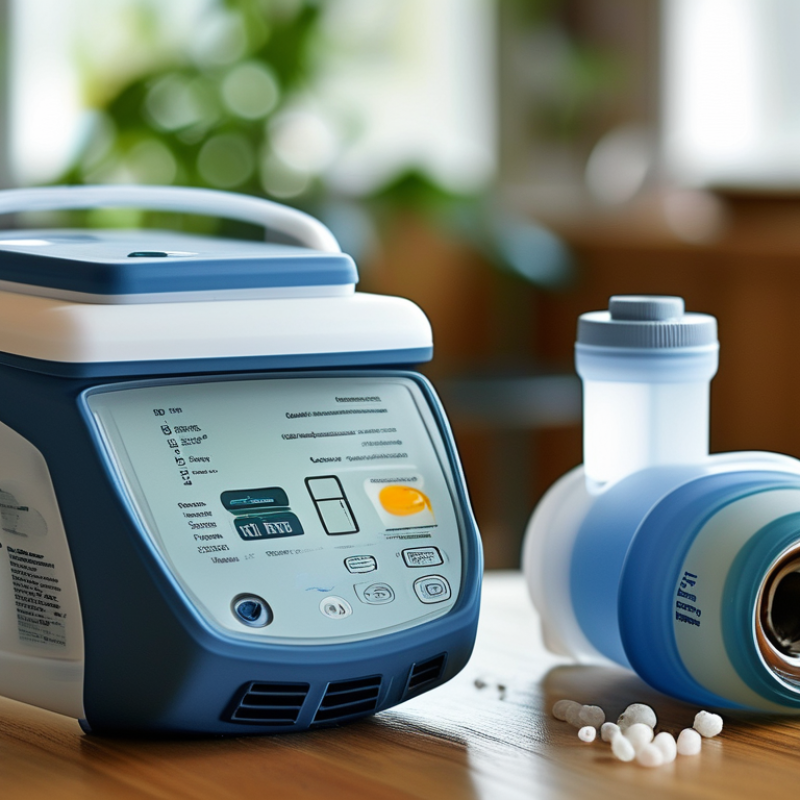
How to Choose the Best Respiratory Products for Patients?

Assessing Patient Needs and Respiratory Conditions

When selecting respiratory products for patients, it's essential to assess their individual needs and specific respiratory conditions. A recent study published by the Global Initiative for Asthma emphasizes the importance of tailoring treatment based on severity levels. Around 300 million people worldwide suffer from asthma alone, significantly impacting their quality of life. Understanding the specific symptoms and triggers for each patient can guide effective product selection.

Chronic obstructive pulmonary disease (COPD) affects more than 200 million people globally, according to the World Health Organization. This condition often requires specialized devices, such as portable oxygen concentrators or nebulizers. However, patient preferences and lifestyle factors play equally important roles. Research shows that 40% of patients abandon necessary respiratory treatments due to inconvenience.

Ensuring patients can manage their conditions comfortably is crucial. This may involve trialing various devices to gauge fit and usability. Consider factors like ease of cleaning and carrying. Maintaining open communication with patients about their experiences is vital. Gathering feedback can reveal gaps in product effectiveness and lead to improvements in future selections.

How to Choose the Best Respiratory Products for Patients? - Assessing Patient Needs and Respiratory Conditions

Patient Condition Recommended Product Type Features to Consider Common Accessories
Asthma Inhalers Spacer, Dose counter Peak flow meter
Chronic Obstructive Pulmonary Disease (COPD) Nebulizers Portable design, easy to clean Mask, Tubing
Sleep Apnea CPAP Machines Adjustable pressure, humidifier Nasal pillows, Filters
Lung Cancer Oxygen Concentrators Continuous flow, Battery operated Cannulas, Carry bag
Pneumonia Respiratory Therapy Equipment Peak flow meter, Incentive spirometer Masks, Tubing

Understanding Different Types of Respiratory Products

When selecting respiratory products, it's crucial to understand the various types available. These products cater to different needs and conditions, making informed choices essential for effective management. Common types include inhalers, nebulizers, and oxygen therapy devices. Each has distinct functions that can significantly impact a patient's health and comfort.

Inhalers are often used for conditions like asthma. They deliver medication directly to the lungs, providing quick relief. Nebulizers, on the other hand, convert liquid medication into mist. This can be essential for patients who struggle with inhalers.

Oxygen therapy devices are vital for those with chronic obstructive pulmonary disease (COPD). They help in administering supplemental oxygen, enhancing breathing function and overall quality of life.

Choosing the right product may require trial and error. Patients might find that one device works better than another for their specific situation. It’s advisable for patients to work closely with healthcare professionals. This collaboration ensures they gather useful information and experience when selecting products. Balancing comfort and efficacy is key to improving respiratory health.

Evaluating Product Features and Specifications

Choosing the right respiratory products for patients involves careful evaluation of various features and specifications. Understanding the specific needs of a patient is crucial. For example, patients with chronic conditions may require devices that offer higher performance. In contrast, those managing temporary ailments may prefer simpler options.

One important feature to consider is usability. Devices should be user-friendly, especially for elderly patients or those with limited mobility. A clear instruction manual and intuitive design can greatly enhance the experience. Furthermore, consider the weight and portability of the product. A lighter device may be more beneficial for patients who need to carry it regularly.

Durability is another key factor. Patients often rely on these products daily. Hence, the materials used should withstand wear and tear. It's essential to evaluate the specifications thoroughly. Look for signs of quality assurance like certifications or testing standards. Reflecting on these aspects can prevent future dissatisfaction. It's also useful to engage in discussions with healthcare professionals for guidance. Knowledge about a product's specifications can help in making informed decisions.

Considering Cost and Insurance Coverage Options

When choosing respiratory products, considering cost and insurance coverage is essential. Many patients may find themselves overwhelmed by choices and costs. Understanding how insurance works can significantly impact your decisions.

Tips: Always check your insurance policy for coverage details. Not all respiratory products are covered equally. Look for what your plan specifies regarding co-pays and deductibles.

Researching prices online can help you gauge the average cost of products. This knowledge empowers you to ask informed questions when discussing options with healthcare providers. Sometimes, out-of-pocket expenses can be significantly reduced by selecting products that align with insurance plans.

Tips: Ask your provider about any patient assistance programs. Many manufacturers offer support for those who qualify. Doing your homework on alternatives can lead to better financial decisions.

While it’s easy to focus solely on product features, neglecting the cost can lead to regret. Sometimes, the best product isn't the most expensive one. Balancing quality and affordability requires effort but can result in better long-term outcomes.

Gathering Recommendations from Healthcare Professionals

When selecting respiratory products, recommendations from healthcare professionals are invaluable. A survey by the American Association for Respiratory Care revealed that 85% of providers rely on peer advice. Their insights help identify the best products for patient needs.

Healthcare professionals often emphasize the importance of fit and comfort. Inappropriate equipment can lead to compliance issues. A study indicated that 25% of patients abandon their devices due to discomfort. Professionals recommend trials of different products. This ensures that patients find what works best for them.

Additionally, many professionals stress considering the patient’s lifestyle. Active individuals may need lightweight, portable options. In contrast, those with limited mobility may prioritize ease of use. According to the National Heart, Lung, and Blood Institute, understanding personal preferences can significantly improve adherence to treatment plans. Thus, gathering recommendations from professionals enhances the selection process.

FAQS

: Why is it important to assess individual patient needs for respiratory products?

: Every patient has unique symptoms and triggers. Tailoring treatment enhances effective product selection and improves outcomes.

What role does patient preference play in respiratory product selection?

Patient preferences are crucial. Many abandon treatments due to inconvenience. Comfort and usability are key factors.

What are common types of respiratory products?

Common products include inhalers, nebulizers, and oxygen therapy devices. Each serves distinct functions for various conditions.

How do inhalers work for asthma patients?

Inhalers deliver medication directly to the lungs, providing quick relief. They are essential for managing asthma symptoms effectively.

Why might some patients prefer nebulizers over inhalers?

Nebulizers convert liquid medication into mist. They assist patients who struggle to use inhalers properly.

What should be considered regarding the usability of respiratory devices?

Devices should be user-friendly, especially for elderly patients. Clear instructions and intuitive designs enhance the experience.

How important is the weight and portability of respiratory devices?

Lighter devices are beneficial for patients needing to carry products frequently. Portability can greatly influence patient compliance.

What aspects of durability should I evaluate in respiratory products?

Products should withstand regular use. Quality materials and trustworthy certifications indicate durability and reliability.

How can gathering patient feedback improve respiratory product effectiveness?

Open communication with patients reveals gaps in product performance. Feedback helps identify necessary improvements for future selections.

Why is working closely with healthcare professionals important?

Collaboration provides valuable information and experiences. It aids in selecting products that balance comfort and efficacy, improving health.

Conclusion

Choosing the best respiratory products for patients requires a careful assessment of individual needs and specific respiratory conditions. Understanding the diverse range of available products, from nebulizers to oxygen concentrators, is essential in determining which options will best support patient care. Evaluating key product features, such as ease of use, portability, and maintenance requirements, alongside specifications like flow rates and capacity, can help in making informed decisions.

Cost and insurance coverage should also be considered, as they can significantly impact access to necessary devices. Gathering recommendations from healthcare professionals ensures that choices are guided by expert insights and experiences. In summary, knowing how to choose the right respiratory products for patient care involves a comprehensive approach, taking into account patient-specific details and practical considerations for effective management of respiratory health.

Henry

Henry

Henry is a dedicated marketing professional with a profound expertise in the company's offerings. With years of experience in the industry, he possesses an impressive understanding of the market dynamics and consumer behaviors that drive success. Henry is committed to sharing his insights through......