Choosing the right surgical drapes for sterile procedures is critical. It affects patient safety and infection control. Surgeons and medical staff must understand the importance of proper selection.
When considering "how to choose surgical drapes for sterile procedures," various factors come into play. Material quality, size, and barrier effectiveness are key elements. Non-woven drapes are often preferred for their superior fluid resistance. However, evaluating product specifications can be overwhelming.
Additionally, not all drapes are suitable for every procedure. This can lead to dilemmas about efficacy and reliability. It’s essential to consult with experienced professionals. Their insights can guide you in making informed decisions. Aim to balance quality with cost-effectiveness. Remember, the right choice can enhance safety and improve outcomes.
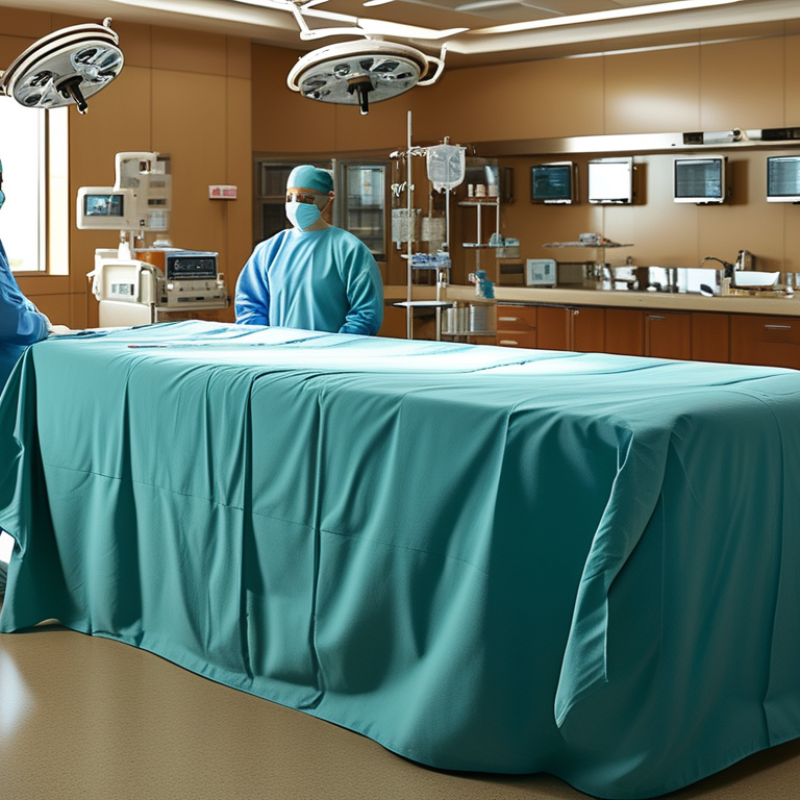
Choosing the right surgical drapes is crucial for maintaining sterility during medical procedures. Several factors influence this selection. Material composition plays a significant role. Nonwoven and woven fabrics vary in fluid resistance and microbial barrier performance. A study indicated that nonwoven drapes offer a higher microbial barrier, with a reduction in contamination rates by 30% compared to woven alternatives. This statistic underscores the importance of selecting the appropriate material type to ensure patient safety.
The drape's size and coverage also matter. Inadequate draping can leave exposed areas that risk infection. Properly sized drapes provide comprehensive coverage, thus minimizing the potential for surgical site infections (SSIs). Data from the Centers for Disease Control and Prevention shows SSIs can occur in 3-5% of surgical cases, emphasizing the need for thorough draping.
Moreover, environmental factors should not be overlooked. Procedures in operating rooms with high airflow may require additional considerations. The interaction between air quality and surgical drapes is still a topic for further research. Some studies hint at a correlation between high airflow and increased drape effectiveness in preventing SSIs. As research evolves, medical professionals should remain vigilant about emerging data in the field.
Choosing the right surgical drapes is crucial for maintaining a sterile environment. There are various types of surgical drapes, each with unique materials, designs, and functionalities. Common materials include cotton, polyester, and non-woven fabrics. Cotton offers comfort but may not provide optimal barrier protection. Non-woven fabrics, on the other hand, enhance sterility but can be less durable. Understanding the specific requirements of a procedure is essential when selecting drapes.
The design of surgical drapes also plays a significant role. Sometimes, drapes come with pre-cut openings for medical equipment, enhancing efficiency. The usability of these features can fluctuate based on the procedure type. Consider the layout of the surgical space. A well-designed drape minimizes the need for adjustments during the surgery, allowing the team to focus on the task at hand.
Reflect on your experiences with different drapes and their performance. Have there been situations where the drape was too thin or difficult to handle? Always consider how a drape functions in various scenarios. Tailoring choices to specific surgery types and team preferences can lead to improvements in overall efficiency and safety.
| Type of Drape | Material | Design Features | Functionality |
|---|---|---|---|
| Standard Drapes | Non-woven fabric | Lightweight, easy to handle | General surgery applications |
| Impervious Drapes | Plastic backing | Fluid-resistant | Orthopedic and other high fluid procedures |
| Fenestrated Drapes | Non-woven fabric | Pre-cut opening | Targeted surgery areas, such as laparoscopic procedures |
| Utility Drapes | Reusable cloth | Durable and can withstand multiple washes | Long-term use and cost-effectiveness |
| Surgical Sheets | Non-woven and paper | Large coverage area | Full body procedures |
Choosing the right surgical drapes is crucial for maintaining a sterile environment in healthcare settings. According to the Association for periOperative Registered Nurses (AORN), adhering to industry standards is vital. AORN’s guidelines emphasize the importance of using drapes that meet specific protective criteria, including fluid resistance and barrier properties.
Dr. Jane Smith, a leading expert in surgical safety, states that more than 70% of surgical site infections stem from inadequate draping.
Materials used for surgical drapes should be assessed for quality. Nonwoven fabrics are increasingly favored due to their effective barrier properties. Studies reveal that nonwoven drapes significantly reduce microbial contamination compared to woven alternatives. Yet, there is still potential for improvement. For example, the durability of drapes during long surgeries can be questionable. Having drapes that withstand rigorous movements without tearing is essential for patient safety.
Training staff on proper draping techniques is equally important. Research indicates that 40% of surgical errors are due to inadequate training. Regular workshops and updated training protocols can ensure compliance with hygiene standards. Providing healthcare professionals with accurate knowledge makes a considerable difference. Despite the established guidelines, the challenge remains in consistently applying these standards in fast-paced surgical environments.
When evaluating surgical drapes, cost-effectiveness is crucial. Different options exist, each with varying price points and features. Investing in drapes that offer good barrier protection is essential for reducing infection risk. However, high prices do not always guarantee better quality. It’s vital to assess the material used, as some fabrics allow more fluid resistance than others.
Affordable drapes may seem like a wise choice. Yet, if they compromise sterility, the costs can skyrocket through potential complications. A detailed analysis of usage frequency is necessary. It's common to overlook this factor when making purchases. Sometimes, bulk buying saves money, but requires a careful look into inventory management.
Healthcare facilities should evaluate drape performance against their budget. Conducting trials can reveal unexpected results. Observing staff feedback on comfort and usability is key. Ultimately, the balance between price and quality often needs revisiting. Continuous improvement in choices can lead to better patient outcomes and financial savings. Testing and adjusting strategies should become routine in the decision-making process.
When selecting surgical drapes, infection control is paramount. Proper draping minimizes contamination risks during sterile procedures. Surgeons must consider materials that create a reliable barrier against pathogens. Non-woven fabrics are popular choices, as they effectively prevent liquid penetration and allow for air permeability.
Patient safety is deeply intertwined with the quality of drapes used. It’s crucial to choose drapes that fit securely around the surgical site. Loose drapes can increase the risk of exposure to contaminants. Additionally, improper draping techniques may lead to challenges in maintaining a sterile field. Ensuring a well-fitted drape can help minimize these issues.
Regular assessments of drape usage can reveal areas for improvement. Teams should evaluate the effectiveness of their current draping methods. Sometimes, drapes fail to provide adequate coverage or protection. Continuous reflection on drape performance can enhance patient safety and optimize infection control protocols.
: The right surgical drapes maintain sterility and reduce infection risks during procedures.
Nonwoven and woven fabrics are common. Nonwoven materials offer better microbial barriers.
Properly sized drapes provide complete coverage, minimizing exposure and infection risks.
Research suggests high airflow might enhance drape effectiveness in reducing SSIs.
Poor-quality drapes may tear during surgery, leading to increased contamination risks.
Research indicates that 40% of surgical errors stem from insufficient staff training.
Teams should regularly evaluate their draping methods to identify areas needing improvement.
Adhering to standards ensures the drapes meet protective criteria necessary for safety.
Regular training updates help staff comply with hygiene standards and reduce errors.
Loose drapes can expose surgical sites to contaminants, risking patient safety.
Choosing the right surgical drapes for sterile procedures is crucial for ensuring patient safety and maintaining infection control in healthcare settings. Factors influencing the selection of surgical drapes include material, design, and functionality, which all play a significant role in their efficacy. Understanding the types of surgical drapes available, along with industry standards and guidelines, helps healthcare professionals make informed decisions.
Cost-effectiveness is another key consideration when evaluating different surgical drape options. It is essential to assess how each type of drape contributes to overall patient safety and infection control. By comprehensively analyzing these factors, healthcare providers can determine how to choose surgical drapes for sterile procedures that meet both clinical needs and budgetary constraints.

Wigivida Medical