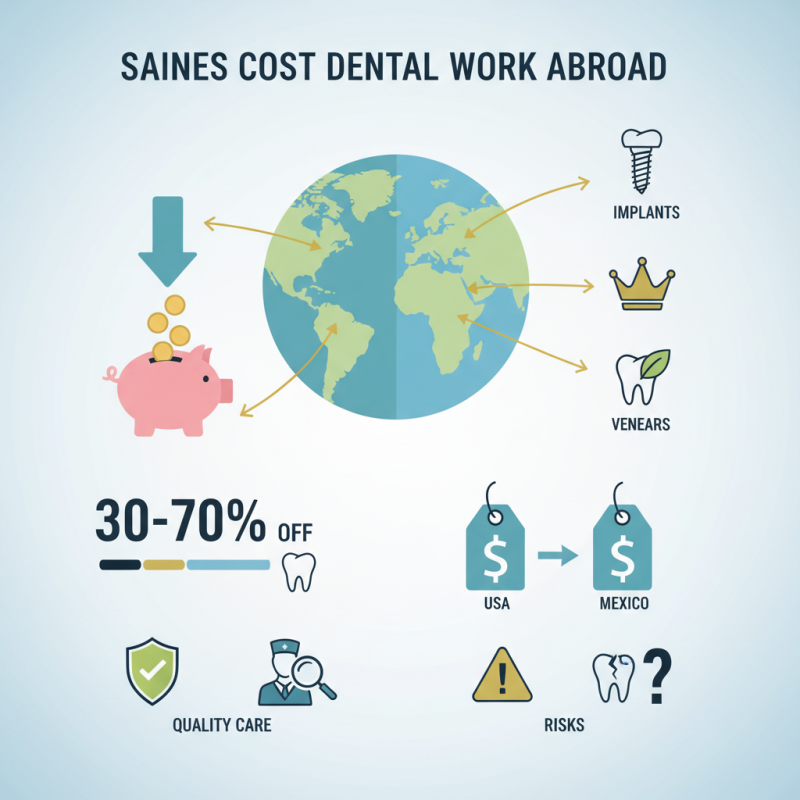
When considering dental work abroad, patients often wonder, "Can I get dental work done?" The answer is yes, and many choose this option for affordability. A recent survey indicated that individuals can save 30% to 70% on dental procedures overseas. Countries like Mexico, Costa Rica, and Hungary attract thousands of international patients yearly due to lower costs.
Dental implants, crowns, and veneers are common procedures sought after. For instance, a dental implant in the U.S. averages around $3,000, while the same procedure in Mexico may be only $1,000. This price difference highlights the financial incentive to pursue dental tourism.
However, patients should approach this option with caution. Quality of care can vary widely. Some clinics meet high standards, while others may not. Researching the dentist's qualifications and reading patient reviews is crucial. Understanding potential risks involved is essential for making informed choices. Though the appeal is strong, careful consideration is necessary.
Factors Affecting the Cost of Dental Work Abroad
When considering dental work abroad, several factors impact the overall cost.
Location plays a significant role. Countries with a lower cost of living typically offer more affordable dental procedures.
For instance, a root canal might cost significantly less in Mexico than in the United States.
Quality and experience of the dental professionals also vary by region. Some clinics may have top-notch facilities and skilled dentists, while others may lack proper standards.
Materials used in procedures should not be overlooked. Higher quality materials often lead to better outcomes, yet they may come at a higher price.
It is essential to balance quality and cost. Researching the types of materials commonly used in target countries can provide clarity.
Travel expenses can add another layer to the total cost. Flights and accommodation should be factored in when budgeting.
Unexpected costs may arise as well, such as post-treatment care or follow-up visits. Planning ahead and being mindful of potential pitfalls are important.
This holistic approach ensures a more accurate understanding of the true cost of dental work abroad.
Popular Destinations for Affordable Dental Services
If you're considering overseas dental treatment, popular destinations can offer significant cost savings. Countries like Mexico, Costa Rica, and Hungary are renowned for affordable dental services. In these locations, patients often pay a fraction of what they would at home. For example, a dental implant in Mexico can cost less than half the price in the United States.
In Costa Rica, many dental clinics boast modern facilities and experienced professionals. Dentists often speak English and welcome international patients. Hungary is famous for its cosmetic dentistry, with skilled practitioners and lower costs. However, ensure you do thorough research. Look for clinics with certified professionals and good reviews.
Traveling for dental work can be appealing, but it's not without potential issues. Waiting times may be longer, and communication barriers can arise. Always plan for follow-up care, which might not be available abroad. Balancing benefits and risks is crucial for a successful experience.
Comparing Costs: Dental Work Abroad vs. Domestic Options
When considering dental work abroad, cost is a key factor. Many patients find significant savings compared to domestic treatment. Traveling for dental procedures can often save 50% or more. However, the price varies widely between countries and types of treatments. For example, a root canal might cost just a fraction of what it would in the U.S.
Yet, it’s essential to weigh the pros and cons. While savings can be tempting, quality is crucial. Some clinics in foreign countries may not meet the same standards as those at home. Researching credentials of dental professionals abroad is vital. Look for certifications and reviews from previous patients. This not only affects the outcomes but also your peace of mind.
Timing is another consideration. Treatment may take longer if follow-up visits are necessary. If complications arise, distance can be a challenge. It’s worthwhile to ponder whether the financial benefits outweigh these potential hurdles. Exploring dental tourism can be rewarding, but careful thought is necessary.
Additional Expenses to Consider When Traveling for Dental Care
When considering dental care abroad, travelers often overlook several hidden costs. Flight tickets and accommodation are the most obvious expenses. According to a 2022 report from a dental tourism organization, these costs can add up quickly, averaging around $1,500 to $3,000 for a trip depending on the destination. Additionally, currency fluctuations can impact overall expenses, making budgeting tricky.
However, there are other important factors to assess. Post-treatment care might require follow-up visits, which can add extra flights or hotel stays. Some patients may also need pain management medications post-procedure. Research indicates that 30% of dental tourists have reported unexpected costs related to complications or adjustments after treatment. Planning for travel insurance that covers dental issues becomes crucial. This insurance often ranges from $100 to $300, thus impacting your overall budget.
Additionally, communication barriers can lead to misunderstandings about treatment plans and costs. Misaligned expectations can also result in additional expenses, such as needing extra treatments. A survey conducted by dental experts found that nearly 25% of patients experienced unexpected dental issues after returning home. Thus, while dental work abroad can be cost-effective, paying attention to these additional expenses is essential.
What is the Cost to Get Dental Work Done Abroad? - Additional Expenses to Consider When Traveling for Dental Care
| Country |
Average Dental Procedure Cost (USD) |
Flight Cost (USD) |
Accommodation Cost (per night, USD) |
Total Estimated Cost (for 5 days, USD) |
| Mexico |
$300 |
$200 |
$50 |
$600 |
| Costa Rica |
$350 |
$350 |
$60 |
$860 |
| Thailand |
$400 |
$700 |
$40 |
$940 |
| Hungary |
$250 |
$800 |
$70 |
$990 |
| India |
$200 |
$600 |
$30 |
$800 |
Tips for Ensuring Quality Care While Getting Dental Work Abroad
Choosing to get dental work abroad can be a cost-effective option. However, ensuring quality care is crucial. Research the dental clinics thoroughly. Look for reviews and testimonials from previous patients. This gives you insights into the clinic’s reputation. Visit professional dental associations' websites to verify credentials. Many countries have various standards of care, and understanding these nuances is important.
Communication is key. Ensure that the dental staff speaks your language proficiently. This helps avoid misunderstandings about procedures and expectations. Ask about the materials and techniques used during treatments. Are they up to international standards? Additionally, consider visiting the clinic beforehand. Meeting the dentist in person can build trust.
Remember, not all countries offer the same level of care. Unexpected challenges may arise, such as post-treatment complications. Reflect on the implications of choosing a clinic based solely on cost. Quality care may save money in the long run. Prioritize your health by making informed decisions.
Cost Comparison of Dental Procedures Abroad
This chart illustrates the average costs of various dental procedures when done abroad. As shown, dental implants tend to be the most expensive procedure, while teeth whitening is generally the least expensive. This information can help patients make informed decisions when considering dental work overseas.
FAQS
: Location, quality of professionals, and materials used all impact costs.
Countries with a lower cost of living often have more affordable procedures.
Higher quality materials can improve outcomes but may also increase costs.
Travel expenses, accommodation, and unexpected post-treatment care can add up.
Mexico, Costa Rica, and Hungary are known for cost-effective dental treatments.
Many clinics boast modern facilities and skilled professionals, but research is essential.
Search for certified professionals and read reviews for better assurance.
Yes, there may be longer waiting times and communication issues.
Follow-up care is crucial, but it might not be readily available in some locations.
Balance potential savings with risks for a successful treatment experience.
Conclusion
The article "What is the Cost to Get Dental Work Done Abroad?" explores various factors influencing the expense of dental services overseas. It highlights popular destinations known for affordable dental care, allowing patients to weigh their options against domestic prices. Key considerations include not only the basic costs of procedures but also additional expenses such as travel and accommodation, which can impact the overall budget.
Furthermore, the article addresses common concerns about quality by offering tips for ensuring safe and effective dental care while abroad. A significant question many may ask is, "Can I get dental work done?" The article provides guidance on how to find reputable clinics and qualified professionals, helping patients make informed decisions about their dental health outside their home countries.

 Wigivida Medical