In the realm of healthcare, imaging plays a crucial role. Patients often wonder, "Why regular imaging is safe?" This question is vital for informed decisions. Regular imaging can detect health issues early. Experts emphasize that when used appropriately, imaging techniques like X-rays and MRIs are safe.
Safety stems from advancements in technology and strict protocols. Medical professionals are trained to use imaging wisely. They follow guidelines to minimize risks. However, it's essential to consider individual circumstances. Not everyone may need frequent imaging. Some people may feel anxious about the procedures. It’s okay to ask questions.
Understanding "Why regular imaging is safe" helps alleviate fears. Discussing any concerns with healthcare providers creates a trusted environment. Together, patients and professionals can weigh the benefits against potential risks. Awareness leads to better health choices and peace of mind. Ultimately, regular imaging can be a powerful tool for maintaining health.
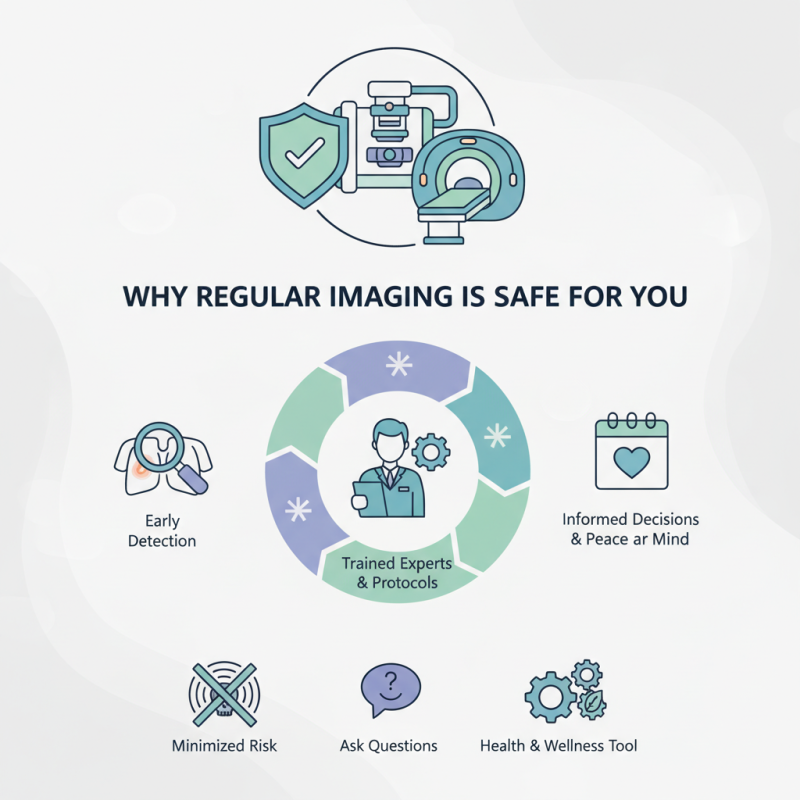
Regular imaging is a cornerstone of modern medical diagnostics. It offers invaluable insights into our health. Understanding the basics of regular imaging helps demystify why it's considered safe and beneficial. Radiologists use advanced technology to create images, revealing internal structures with precision. From X-rays to MRIs, each method has unique advantages and applications.
The benefits of regular imaging are significant. It aids in early detection of diseases, often before symptoms emerge. Early diagnosis can lead to more effective treatment options. However, there are concerns. Some fear potential radiation exposure or the psychological impact of imaging results. Balancing these risks with the advantages is crucial.
The process should feel comfortable. Consulting with healthcare providers ensures transparency. They can explain the procedure, discuss potential risks, and address fears. Patients should feel empowered to ask questions. Understanding the technology and its uses fosters trust. Regular imaging can lead to a healthier future if approached thoughtfully.
Imaging techniques, like X-rays and MRIs, provide crucial insights into our health. They help doctors see inside the body without surgery. Regular imaging is generally safe. But, it’s important to understand how these techniques work to evaluate their safety.
Radiation exposure is a common concern with X-rays. The doses are low, but repeated exposure can add up. Alternative methods, like ultrasounds, use sound waves and are safer. Always discuss your imaging choices with a medical professional to ensure you receive appropriate care.
Tips for ensuring safety:
Medical professionals play a crucial role in ensuring the safety of regular imaging procedures. They possess the expertise needed to assess your individual health profile. This assessment helps tailor imaging techniques to minimize risks while providing accurate diagnostics. Regular communication between you and your healthcare provider builds trust. Sharing concerns can lead to better safety measures.
Imaging safety is not absolute. There are factors like radiation exposure that must be considered. Healthcare professionals continuously evaluate the necessity of each procedure. They weigh the benefits against potential risks. This ongoing process reflects their commitment to patient safety. Additionally, they stay updated on advancements in imaging technology. This knowledge enables them to offer safer alternatives when available.
Collaboration among medical staff is also vital. Radiologists, technologists, and physicians work together to ensure quality care. They discuss findings and consider each patient’s unique situation. However, gaps in communication may occasionally arise. Patients should feel empowered to ask questions and express their worries. This proactive approach can enhance safety in imaging practices.
This chart displays the percentage of patients who reported feeling safe undergoing regular imaging procedures over the past years. The role of medical professionals is crucial in ensuring these safety perceptions.
Imaging techniques, such as X-rays and MRIs, often raise concerns about safety. Many people worry about radiation exposure or other risks associated with these procedures. Understanding the importance of imaging can help ease those fears. Healthcare professionals use imaging to diagnose conditions accurately and monitor ongoing treatment.
Tips: Always ask your healthcare provider about the necessity of an imaging test. Knowing the reason behind it can reduce anxiety. Ensure the imaging facility follows safety standards. Trusted facilities prioritize patient safety, ensuring minimal exposure to radiation when applicable.
While risks exist, they are often outweighed by the benefits. For instance, an X-ray may carry a small radiation dose, but the information gained can be crucial for effective treatment. Research shows the risk of radiation-related health issues is minimal compared to the potential benefits.
Tips: Consult with experts to clarify your doubts. They can explain the steps taken to minimize risks. Keeping an open line of communication with your doctor fosters trust and understanding. Together, you can evaluate the necessity of each imaging procedure.
Imaging tests are vital for accurate diagnosis and treatment planning. Yet, understanding their safety is crucial for patient peace of mind. According to the American College of Radiology, imaging methods like MRI and ultrasound are generally safe, with low risk levels. However, exposure to radiation in CT scans requires careful consideration.
Patients should engage in open discussions with their healthcare providers. Ask specific questions about the necessity and safety of the proposed imaging tests. This dialogue fosters trust and clarity.
Tips: Always inquire about alternative imaging options that carry less risk. Understand the potential benefits versus the risks involved. Research findings show that informed patients tend to be more satisfied with their care.
Remember, it is your right to seek a second opinion. An FDA report suggests that having multiple perspectives can enhance your understanding and decision-making. Your health is a shared responsibility; being informed makes a difference.
: Regular imaging provides invaluable insights into health and aids in disease detection before symptoms appear.
It allows for early diagnosis, leading to more effective treatment options and improved health outcomes.
Yes, there are potential risks such as radiation exposure and psychological impacts from results.
Consult with healthcare providers about the procedure and express any concerns to ensure a comfortable experience.
Patients should inquire about the necessity, safety, and any alternative imaging options available.
They evaluate individual health profiles and continuously weigh the risks against the benefits of each procedure.
Yes, seeking second opinions can improve understanding and decision-making about imaging tests.
They ensure that imaging techniques are tailored to minimize risks while providing accurate diagnostics.
By asking questions and voicing concerns, patients can encourage better communication among medical staff.
Evaluate the potential benefits and risks, and consider less risky alternative imaging options.
Regular imaging plays a crucial role in modern healthcare by providing essential insights into a patient's health status. Understanding the basics and benefits of imaging can help patients appreciate why regular imaging is safe. Various techniques, including X-rays and MRIs, are designed with safety in mind, utilizing technologies that minimize risks while maximizing diagnostic value.
Medical professionals are trained to evaluate the appropriateness of imaging, ensuring that every procedure is justified and conducted with the utmost care to mitigate any potential concerns. Addressing common worries about imaging risks, patients are encouraged to engage in informed discussions with their healthcare providers. By following established guidelines and understanding the inherent safety measures, individuals can confidently navigate their imaging decisions, reinforcing **why regular imaging is safe** for their ongoing health management.

Wigivida Medical