How is Implant Removal Done Safely and Effectively?

Time:2026-06-26 Author:Charlotte
0%

Implant removal is a significant procedure within the field of orthopedic surgery. How is implant removal done safely and effectively? This question is paramount for ensuring patient safety and recovery. According to recent studies, approximately 15% of patients may require implant removal due to complications or discomfort. The necessity for removal highlights the importance of understanding the process involved.

In surgical settings, the removal of implants is often complex. It requires a skilled surgeon with extensive experience. Factors like the type of implant and the duration since implantation can affect the approach. Data shows that infections occur in about 5% of removal cases, emphasizing the need for strict adherence to sterile protocols.

While many procedures are successful, complications can still arise. Some patients report lingering pain even after the removal. This often leads to reevaluation of their treatment plan. Awareness of potential risks and complications is crucial for patients and healthcare providers. Clear communication and thorough pre-surgical assessments are essential steps in ensuring effective outcomes.
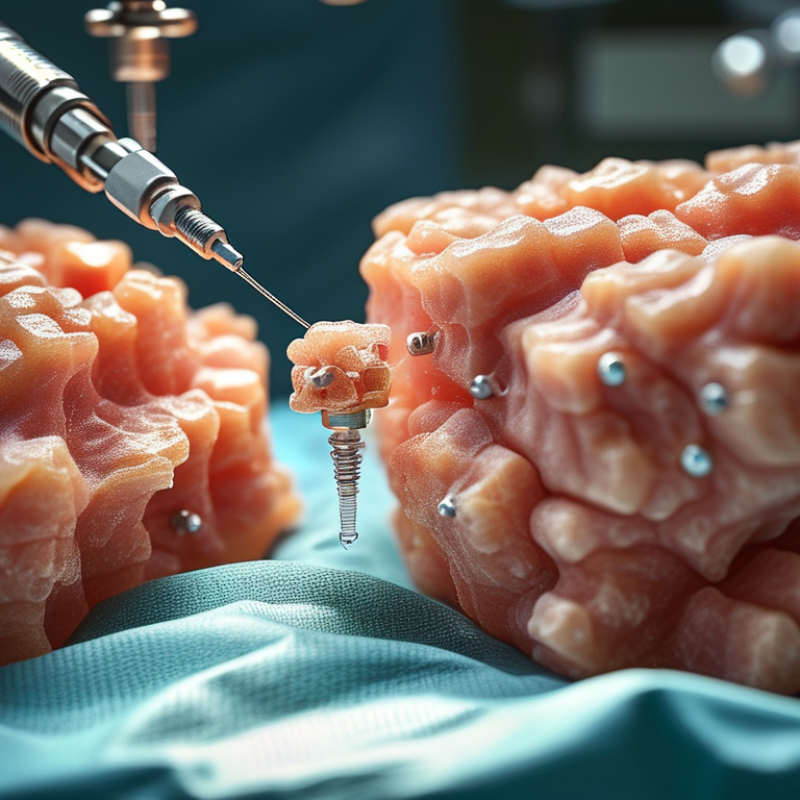
How is Implant Removal Done Safely and Effectively?

Understanding the Indications for Implant Removal in Patients

Implant removal is a significant procedure that is often necessary for various reasons. Understanding when it is needed is crucial for patient safety. According to a study published in the Journal of Bone and Joint Surgery, approximately 20% of patients require implant removal due to complications or discomfort. Common indications include infection, mechanical failure, and patient distress.

In some cases, implants may not integrate properly with the body. This can lead to chronic pain or limited mobility. Research indicates that about 15% of orthopedic implants face integration issues, highlighting the complexity of the human body’s response to foreign materials. Patients often report varying experiences; some have mild discomfort, while others face severe complications. Each case requires a thorough evaluation by healthcare professionals.

Furthermore, patients may choose to remove implants for personal or aesthetic reasons. As awareness of body image increases, some individuals seek removal regardless of functional necessity. This raises questions about patient autonomy versus medical advice. Exploring the reasons for removal can ensure that the process is tailored to individual needs and expectations. Open communication with healthcare providers is essential to reach informed decisions about implant removal.

How is Implant Removal Done Safely and Effectively? - Understanding the Indications for Implant Removal in Patients

Indication Description Recommended Action Potential Risks
Infection Presence of persistent infection surrounding the implant. Consider removal of the implant and antibiotic therapy. Delayed healing, recurrence of infection.
Fracture Fracture of the implant, which may compromise structural integrity. Remove and replace with a new implant if necessary. Surgical complications, additional recovery time.
Malposition Implant placed in an incorrect location affecting function or aesthetics. Surgical removal and re-implantation in the proper position. Anesthesia risks, infection, or nerve damage.
Allergic Reaction Adverse reaction to the material of the implant. Remove the implant and consider alternative materials. Allergic symptoms, need for alternative solutions.
Patient Request Patient desires removal for personal reasons. Assess the need and conduct the removal if appropriate. Patient dissatisfaction, psychological factors.

Preoperative Evaluation and Preparation for Safe Implant Removal

Preoperative evaluation is essential for safe implant removal. A thorough assessment helps identify potential risks, enhancing the overall success of the procedure. According to a study published in the Journal of Orthopaedic Surgery, nearly 30% of surgical complications arise from inadequate preoperative planning. Each patient's medical history must be reviewed critically. Age, hospitalization history, and any chronic health issues significantly impact surgery results.

Preparing the surgical area is equally important. A sterile environment minimizes infection risks. The use of prophylactic antibiotics is common, reducing the chance of complications by up to 50%. Some practitioners recommend imaging studies to evaluate implant positioning, ensuring accurate removal.

Patient education plays a vital role in this process as well. Effective communication about what to expect can ease anxiety. A report from the British Medical Journal noted that well-informed patients experience fewer postoperative complications. Engaging patients with their surgical plan builds trust and improves outcomes. It's crucial to address any lingering concerns or misunderstandings. The balance of preparation and patient involvement can greatly influence the overall safety of the procedure.

Step-by-Step Surgical Techniques for Effective Implant Removal

Implant removal is a delicate procedure that requires careful planning and precision. Surgeons begin by assessing the type of implant and its location. Accurate imaging techniques, like X-rays or CT scans, help them visualize the implant's position. A study found that about 30% of patients experience complications during implant removal, emphasizing the importance of expertise in this area.

Once the planning phase is complete, anesthesia is administered. Local or general anesthesia may be used depending on the case's complexity. The surgeon then makes an incision near the implant site, taking care not to damage surrounding tissues. In some cases, implants may be embedded in bone. This requires careful dissection using specialized tools. A report indicated that 15% of procedures face unexpected challenges, highlighting the need for adaptability during surgery.

After removing the implant, the surgeon inspects the site for any signs of infection or complications. Proper closure techniques are essential to promote healing. Postoperative care plays a crucial role in recovery. Patients should follow up regularly to monitor for any issues. The process demands patience and professional skill for successful outcomes.

Postoperative Care and Management After Implant Removal

Postoperative care following implant removal is crucial for a successful recovery. After the procedure, it is essential to keep the incision site clean and dry. This helps prevent infection. Often, surgeons will provide specific cleaning instructions. These guidelines should always be followed. Mild redness and swelling are common, but persistent pain or unusual discharge may signal a problem. Contacting your healthcare provider is advised in such cases.

Pain management plays a significant role in postoperative care. Your doctor may prescribe pain relief medications or recommend over-the-counter options. Always adhere to the recommended dosages. Ice packs can also help reduce swelling. It’s important to avoid strenuous activities for a specified period, as this can aid in proper healing. Regular follow-up appointments allow the healthcare provider to monitor recovery.

Nutrition is often overlooked but vital during recovery. Eating a balanced diet aids healing. Hydration is equally important. Drinking enough fluids can help in recovery, but some may find it challenging to maintain good nutrition post-surgery. Tracking food intake may be beneficial. Reflecting on these aspects can improve the recovery process.

Potential Complications and How to Mitigate Risks During Removal

Implant removal can be complex, presenting potential risks. Awareness of complications helps in managing them effectively. Common issues include infection, nerve damage, or improper healing. During the procedure, surgeons must be cautious to minimize these risks.

**Tip: Always discuss your medical history with your surgeon.** Any prior surgeries or conditions can influence the removal process. An accurate assessment helps identify potential challenges beforehand.

Surgeons often use imaging techniques to guide their work. This aids in avoiding critical structures within the body. However, mistakes can happen. Some patients may experience anxiety about the process. This can affect their recovery.

**Tip: Stay informed and ask questions.** Understanding the removal process can ease concerns. Knowing what to expect reduces anxiety levels. Additionally, follow post-operative care instructions closely to support healing.

Complications and Risks During Implant Removal

This chart illustrates the potential complications associated with implant removal, expressed as percentages. It identifies the prevalence of various risks, emphasizing the importance of careful management to mitigate these complications during the procedure.

FAQS

: What is the first step in the implant removal process?

: The first step is assessing the type and location of the implant using imaging techniques.

Why is careful planning important before surgery?

Careful planning helps address potential complications, as about 30% of patients may face issues during removal.

What kind of anesthesia is used for implant removal?

Local or general anesthesia may be administered, depending on the complexity of the case.

What happens if an implant is embedded in bone?

Surgeons use specialized tools and careful dissection to extract implants embedded in bone.

What complications can arise during implant removal?

Possible complications include infection, nerve damage, and improper healing. Awareness is key to managing these risks.

How can a patient prepare for potential challenges?

Patients should discuss their medical history to help surgeons identify issues that may complicate the procedure.

What should patients do after the surgery?

Patients should follow up regularly and adhere to post-operative care instructions for optimal recovery.

How can a patient reduce anxiety about the removal process?

Staying informed and asking questions can help ease concerns and reduce anxiety levels.

What role does proper closure technique play in recovery?

Proper closure techniques promote healing and reduce the risk of complications following the procedure.

What happens if unexpected challenges occur during surgery?

Surgeons need to remain adaptable as about 15% of procedures might face unexpected difficulties.

Conclusion

Implant removal is a crucial procedure that requires careful consideration of various factors to ensure safety and effectiveness. Understanding the indications for implant removal in patients is the first step, as it helps in determining the necessity for the procedure. A thorough preoperative evaluation and preparation are vital for mitigating risks associated with surgery.

The question "How is implant removal done?" is addressed through detailed step-by-step surgical techniques tailored to ensure successful extraction while minimizing patient discomfort. Postoperative care and management are equally important, as they play a significant role in recovery and reducing the likelihood of complications. Finally, being aware of potential complications and employing strategies to mitigate these risks can greatly enhance patient outcomes during the implant removal process.

Charlotte

Charlotte

Charlotte is a seasoned marketing professional with a deep understanding of the company's portfolio and a passion for elevating its presence in the market. With a keen eye for detail and a commitment to excellence, she ensures that our professional blog is regularly updated with insightful articles......