In recent years, the field of dental implants has evolved remarkably, raising an important question: "Can implants be replaced?" According to a report by the American Academy of Implant Dentistry, over 3 million people in the U.S. currently rely on dental implants, and that number is expected to grow by 500,000 annually. This growth signals both advancements and challenges in implant technology.
As we look toward 2026, various options for replacing implants are emerging. Innovations such as 3D printing and bioactive materials are gaining traction. They promise more effective solutions for patients. However, along with these advancements comes the need for careful consideration of individual cases. Not all implants perform the same. Factors like the patient's health, bone density, and previous dental work can affect durability.
Reflection on the current landscape reveals a complex relationship between innovation and patient needs. While new technologies fuel optimism, they also reveal gaps in understanding long-term outcomes. It raises a vital question: Are we prepared to manage the implications of replacing implants effectively? The future of dental implants holds potential, but it demands cautious evaluation and ongoing research.
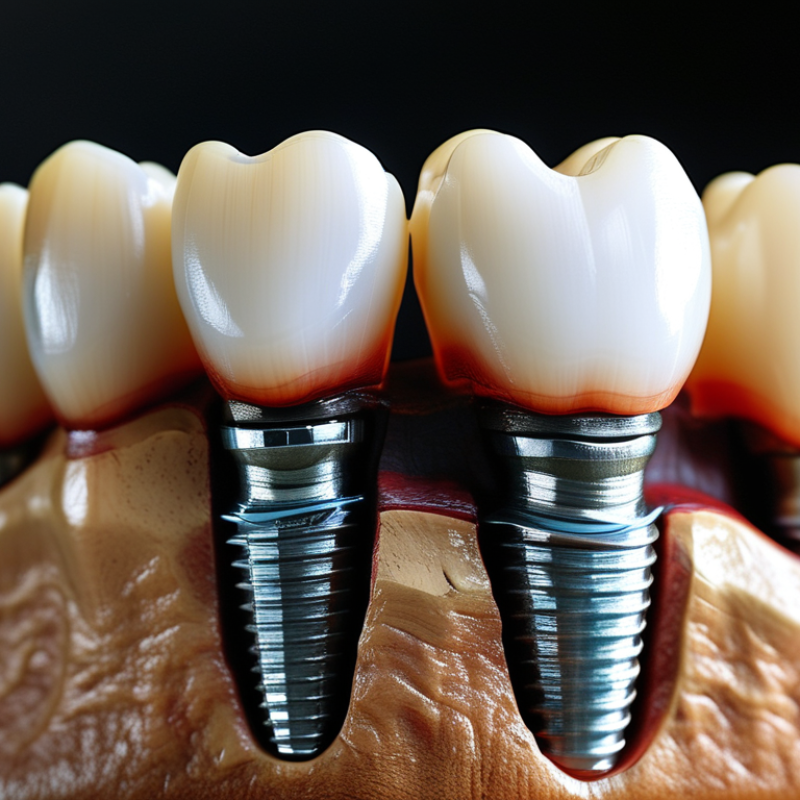
In 2026, several types of implants will be available for replacement. Dental implants, for instance, serve as durable alternatives to missing teeth. They integrate with the jawbone, providing stability and function similar to natural teeth. Patients often appreciate their aesthetic appeal.
Another type is breast implants, which have evolved significantly. Options include saline and silicone gels, both of which offer unique benefits. Saline implants can be adjusted post-operation, while silicone implants typically provide a more natural feel. Discussing expectations with a qualified professional is crucial.
Joint implants, especially for knees and hips, remain vital as people seek relief from chronic pain. These implants are designed to withstand the demands of active lifestyles. However, not every replacement will yield the desired results. Each patient's experience varies. It’s essential to weigh the risks and benefits before deciding. Understanding these implant options and their implications is imperative for anyone considering replacement in 2026.
| Type of Implant | Material | Longevity (Years) | Suitability | Average Cost ($) |
|---|---|---|---|---|
| Dental Implants | Titanium | 10-15 | Missing teeth in adults | 3,000 - 4,500 |
| Breast Implants | Silicone/Gel | 10-20 | Breast augmentation | 6,000 - 12,000 |
| Orthopedic Implants | Cobalt-Chromium Alloy | 15-25 | Joint replacements | 15,000 - 30,000 |
| Cardiac Pacemakers | Titanium | 5-15 | Cardiac defects | 10,000 - 30,000 |
When considering implant replacement in 2026, several critical factors influence the decision-making process. One significant element is the lifespan of the current implants. According to industry reports, dental implants typically last 10 to 15 years with proper care. However, many patients face complications like infection or implant failure. Approximately 5% to 10% of implants may fail within the first few years. This statistic raises questions about when to replace them.
Patient health is another vital factor. Conditions such as diabetes or osteoporosis can affect the success of an implant. Studies show that 20% of patients with chronic illnesses experience higher complication rates. Monitoring these health aspects is crucial for making informed decisions. The emotional and financial investment in implant procedures can also sway choices. Many patients report anxiety about replacement, indicating a need for thorough consultations. Additionally, the cost of replacements can vary widely, impacting accessibility for many.
Technological advancements in the industry further contribute to replacement considerations. Innovative materials and designs promise durability and improved aesthetics. These advancements can provide patients with better outcomes. However, not all options guarantee a successful result. Ensuring that patients understand the risks is essential. Overall, the journey through implant replacement requires careful thought, professional guidance, and consideration of both physical and emotional aspects.
In recent years, various industries have begun adopting implant replacement techniques. Dental, orthopedic, and cosmetic sectors lead this innovation. These sectors see a growing demand for improved patient outcomes and longevity of implants. For instance, dental practices are now offering advanced alternatives for failing implants. This trend highlights the need for education and training among healthcare providers.
Orthopedic industries are also prioritizing implant replacements. Research indicates that around 10-20% of joint implants fail within a decade. This alarming figure has prompted enhanced design and material use. Professionals are constantly seeking better solutions to reduce these failure rates. Proper follow-up and patient education remain critical areas for improvement.
Cosmetic procedures are not left behind. Surgeons are continuously refining techniques for replacing implants. Aesthetic results and patient safety are paramount. Yet, there is a gap in maintaining comprehensive databases of long-term outcomes. This lack of data can hinder the ability to make informed decisions. Adapting to these challenges is essential for continued progress in implant replacement techniques across all industries.
Emerging technologies in implant design and materials are revolutionizing the healthcare landscape. For instance, 3D printing is now a viable approach for creating custom implants. This technology offers precise fitting, reducing the need for invasive procedures. The materials used, such as biocompatible polymers, are safer and often lead to faster recovery.
Another exciting development is the integration of smart technology in implants. Some implants now have sensors that can monitor health metrics in real-time. This allows doctors to track recovery and adjust treatment as necessary. However, these advancements also raise questions about long-term reliability and data security concerns.
There are still challenges to address. Not all materials have proven to be durable in the long run. The cost of these advanced implants can be prohibitive for many patients. While innovation is promising, it is essential to proceed thoughtfully. Balancing technological progress with practical considerations will shape the future of implants significantly.
When considering implant replacement options in 2026, patients face various factors. Longevity is a primary concern. Current studies indicate that implants can last between 10 to 15 years, but external factors often influence lifespan. A report by the American Academy of Orthopedic Surgeons highlights that 20% of implants may require replacement sooner due to complications like infection or mechanical failure.
Patients must evaluate their overall health. Conditions such as diabetes or osteoporosis can affect implant integration and healing. According to the Journal of Bone and Joint Surgery, individuals with these conditions experience 30% lower success rates with implants. Beyond health, emotional readiness plays a role. Patients often express anxiety about surgery and recovery, which can impact decision-making.
It's vital to understand the various materials available for implants. Options include titanium and ceramic, each with unique benefits and drawbacks. Titanium is robust, but it can cause allergic reactions in some patients. On the other hand, ceramics are favorable for aesthetic reasons but less durable in high-stress situations. Each option has trade-offs that deserve careful thought. Ultimately, decisions should be made collaboratively with healthcare providers, considering both physical and psychological readiness.
: Dental implants usually last 10 to 15 years with proper care.
Approximately 5% to 10% of implants may fail early.
Conditions like diabetes can raise complications for about 20% of patients.
Many patients feel anxious and need thorough discussions regarding their options.
New materials and designs promise better durability and aesthetics but don't guarantee success.
The dental, orthopedic, and cosmetic sectors are leading this trend.
About 10-20% of joint implants may fail in ten years.
A lack of long-term outcome data can make informed decision-making difficult.
Emotional investment can significantly influence the decision to replace implants.
In 2026, the question "Can implants be replaced?" continues to intrigue both patients and professionals in the medical field. Various types of implants, ranging from orthopedic to dental, are available for replacement, each catering to specific medical needs. Factors such as the patient's health status, the longevity of the current implant, and advancements in medical technology heavily influence the decision to replace an implant.
The adoption of implant replacement techniques is notably growing in industries such as healthcare and regenerative medicine, where innovative technologies are reshaping implant design and materials. Emerging trends in biocompatible materials and smarter, more durable designs promise improved patient outcomes. Ultimately, patient considerations, including personal comfort and the effectiveness of the existing implant, play a crucial role in determining suitable replacement options in 2026.

Wigivida Medical