How Respiratory Therapy Devices Help Chronic Patients

Time:2026-11-01 Author:Oliver
0%

For people living with COPD, cystic fibrosis, or other chronic lung conditions, breathing support is part of an ordinary day. An inhaler may sit beside a glass of water; a nebulizer can turn prescribed medicine into a fine mist. Oxygen equipment and airway-clearance devices may also help, when a clinician recommends them. These tools do not work alike. The right choice depends on diagnosis, symptoms, technique, and personal goals.

How respiratory therapy devices aid chronic patients is not simply a story about machines. It is about making breathing treatments usable at home, during activity, and through difficult nights. In a joint ATS/ERS statement co-authored by respiratory researcher Dr. William D-C Man, pulmonary rehabilitation is described as involving “patient-tailored therapies.” That phrase matters. Care should fit the person, not just the diagnosis. A device may ease a task or support a treatment plan, but it cannot cure chronic disease or replace clinical follow-up. Technique matters, too. A poorly fitted mask, missed cleaning, or uncertain settings can reduce benefit. Small details count.

This article explores how common respiratory devices work, what patients may experience, and which questions to raise with a healthcare professional. It also considers practical limits, including comfort, maintenance, and access. Some days, progress is modest. That deserves honest attention. The aim is clear information—not promises—so patients and caregivers can make informed decisions alongside their care team.
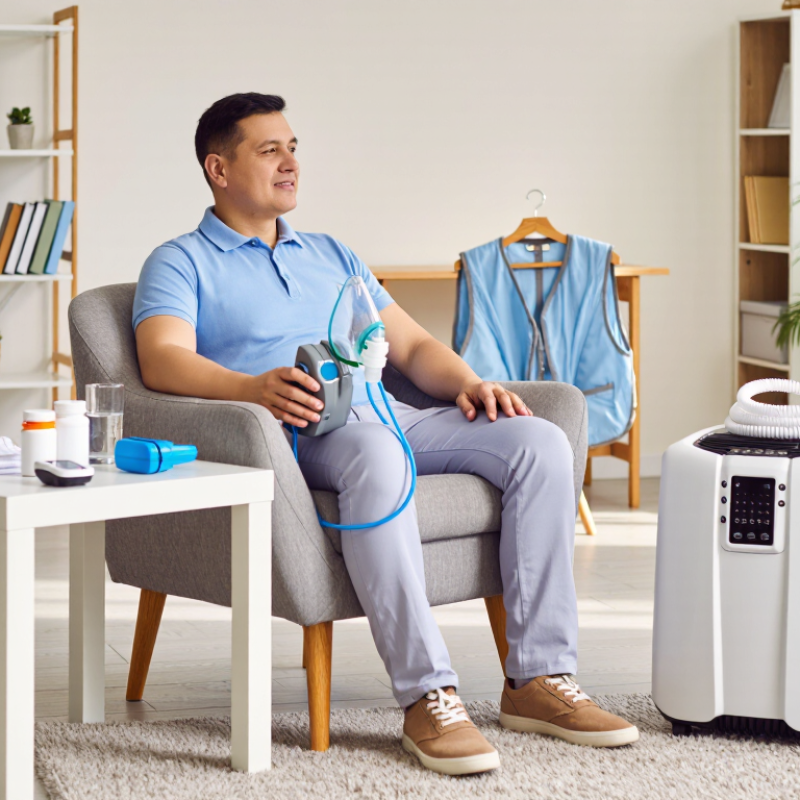
How Respiratory Therapy Devices Help Chronic Patients

Chronic Respiratory Disease Burden: COPD Caused 3.5 Million Deaths in 2021 (WHO)

The World Health Organization reports that chronic obstructive pulmonary disease (COPD) caused 3.5 million deaths in 2021, accounting for about 5% of deaths worldwide. COPD was the world’s fourth leading cause of death that year, according to the WHO’s 2024 COPD fact sheet. The figure represents people, not just a statistic: many live with breathlessness during ordinary tasks, such as walking to the kitchen or climbing a few steps. That burden is immense.

Respiratory therapy devices can make prescribed treatment easier to deliver and daily symptoms easier to manage. Inhalers and nebulizers help patients receive medicines that open airways or reduce inflammation; the GOLD 2025 report emphasizes choosing suitable inhaled treatment and checking technique. A patient who cannot coordinate pressing an inhaler with a slow breath may benefit from a spacer, when clinically appropriate. Small details matter. Poor technique can mean less medicine reaches the lungs, even when a device is used regularly.

For some people with severe, chronic resting hypoxemia, prescribed long-term oxygen therapy can improve survival. The American Thoracic Society’s home oxygen guideline recommends it for eligible patients, while stressing clinical assessment and follow-up. Oxygen is not suitable for every person with COPD, and it does not reverse lung damage. Tubing across a bedroom floor, a drying mask, or a device that feels awkward can also disrupt use. These practical barriers deserve attention during care visits, though they are easy to overlook.

Patient Assessment: ATS Defines Severe Hypoxemia as SpO₂ ≤88%

For people with chronic lung disease, a pulse oximeter can reveal when oxygen levels need closer review. The American Thoracic Society’s 2020 home oxygen guideline defines severe chronic resting hypoxemia as SpO₂ at or below 88%, or PaO₂ at or below 55 mm Hg. The threshold matters. It helps clinicians assess whether long-term oxygen therapy may be appropriate, rather than relying on breathlessness alone.

A single reading is not a diagnosis. Cold fingers, motion, poor circulation, and device limitations can affect the number. A clinician may repeat the measurement while the patient rests, check the sensor placement, and compare it with symptoms and medical history. A value of 88% or lower deserves prompt clinical attention, especially if it persists. Still, numbers can mislead.

The ATS guideline recommends long-term oxygen therapy for patients with COPD who meet its criteria for severe chronic resting hypoxemia. It advises using oxygen for at least 15 hours daily when prescribed. For patients at home, respiratory therapy equipment can support that plan, but settings should be selected and reviewed by a clinician. Patients can note readings, timing, and symptoms—such as breathlessness while sitting—to make follow-up more useful. One imperfect detail: home readings may look reassuring even when a person feels worse, so both the number and the person matter.

How Respiratory Therapy Devices Help Chronic Patients – Patient Assessment: ATS Defines Severe Hypoxemia as SpO₂ ≤88%

Assessment or care dimension Clinical information How respiratory therapy devices may help Practical considerations
Severe chronic resting hypoxemia ATS guidance defines severe hypoxemia as SpO₂ ≤88% or PaO₂ ≤55 mm Hg. It also includes PaO₂ 56–59 mm Hg or SpO₂ 89% when accompanied by edema, hematocrit ≥55%, or evidence of P pulmonale. Prescribed supplemental oxygen can raise inspired oxygen and help maintain adequate oxygenation. Long-term oxygen therapy may be recommended for eligible patients with chronic lung disease and severe resting hypoxemia. A clinician should confirm the finding and determine the prescription. A single pulse-oximeter reading does not establish eligibility or replace a full assessment.
Oxygen assessment Assessment may include pulse oximetry and, when clinically indicated, arterial blood gas testing. Symptoms, diagnosis, stability, and oxygen levels at rest, during activity, or during sleep can inform care. Oxygen equipment delivers supplemental oxygen at a clinician-prescribed flow or setting, supporting use in the situations identified by the care plan. Pulse-oximeter readings can be affected by factors such as poor circulation, movement, nail products, and skin pigmentation. Interpret readings alongside clinical findings.
Oxygen delivery options Common options include stationary oxygen concentrators, portable concentrators, compressed-gas cylinders, and liquid oxygen systems. The equipment can support oxygen use at home or, with appropriate portable equipment, during daily activities and travel. Device choice depends on the prescribed oxygen settings, mobility, supply needs, power access, and whether the device’s delivery mode meets the patient’s needs.
Breathlessness and activity Some people with chronic lung disease experience low oxygen levels or breathlessness during exertion. Activity-related assessment can help identify whether oxygen support is appropriate. Portable oxygen systems may support prescribed oxygen use during movement and exercise when indicated by an individualized assessment. Oxygen should not be started or adjusted solely to treat breathlessness without medical guidance. Reassessment helps ensure the plan remains appropriate.
Ventilatory support Some chronic conditions involve inadequate ventilation or elevated carbon dioxide, which is different from low oxygen alone. Noninvasive ventilation, such as bilevel positive airway pressure, may support breathing in selected patients when prescribed for an appropriate clinical indication. Oxygen therapy and ventilatory support are not interchangeable. Device selection and settings require professional assessment and monitoring.
Airway clearance and inhaled therapy Chronic respiratory conditions may involve mucus retention, airway narrowing, or a need for inhaled medication. Prescribed nebulizers can deliver inhaled medication; selected airway-clearance devices can assist with mobilizing secretions. These devices address specific treatment needs and do not replace oxygen assessment or oxygen therapy when oxygen is prescribed.
Safety and follow-up Chronic oxygen needs can change with health status, activity, sleep, and treatment. Follow-up helps evaluate ongoing need and equipment use. Correctly selected and maintained equipment can support consistent use of the prescribed respiratory treatment plan. Keep oxygen away from flames, smoking, and sources of ignition. Follow equipment instructions and the clinician’s prescription; do not change oxygen settings without medical advice.

Clinical note: ATS thresholds are assessment criteria, not a substitute for individualized medical evaluation. Oxygen needs and device prescriptions should be determined and reviewed by a qualified healthcare professional.

Device Selection: Oxygen, NIV, CPAP, and Airway-Clearance Systems

Choosing a respiratory device starts with the problem it is meant to address. Oxygen therapy raises blood oxygen levels when testing shows they are low; it does not correct every cause of breathlessness. A clinician may review oxygen readings, symptoms, and activity before recommending use. More oxygen is not automatically better.

Non-invasive ventilation (NIV) supports breathing by moving air through a mask, often during sleep or rest. It may be considered when a patient has trouble clearing carbon dioxide or maintaining ventilation. Mask leaks, pressure marks, and dry mouth can make regular use difficult, so fit and follow-up matter. CPAP is different: it keeps the upper airway open during sleep, commonly for obstructive sleep apnea. The two devices are not interchangeable. Fit matters.

Airway-clearance systems help loosen or move mucus for people who struggle to cough it out. Options may include oscillating devices, assisted-cough equipment, or prescribed breathing techniques. The right choice depends on muscle strength, secretion thickness, and the person’s daily routine. A device that stays on the bedside table is not much help. It is tempting to treat equipment as the whole plan, but that misses medication review, training, and changing needs. Even a carefully selected device may need adjustment over time.

How Respiratory Therapy Devices Help Chronic Patients

Device Selection: Oxygen, NIV, CPAP, and Airway-Clearance Systems

These are examples of clinical indicators, not stand-alone prescriptions. The measures use different units, so bar lengths should not be compared. Oxygen may be considered for severe chronic resting hypoxemia; NIV for selected patients with chronic hypercapnia; CPAP for obstructive sleep apnea; and airway-clearance support when cough is ineffective or secretions are difficult to clear. Device choice and settings require individual clinical assessment.

Reference points: ATS guidance on home oxygen and chronic NIV; AASM criteria for obstructive sleep apnea severity; peak cough flow below 270 L/min as a warning indicator of impaired cough in neuromuscular disease.

Home Oxygen Therapy: ATS Recommends at Least 15 Hours Daily for Eligible Patients

ATS recommends long-term oxygen therapy for at least 15 hours daily for eligible adults. Eligibility may include severe chronic resting hypoxemia with COPD or interstitial lung disease. This is not a general rule for everyone who feels breathless. A clinician checks oxygen levels, often when the patient is medically stable, and decides whether therapy is appropriate. Breathlessness alone does not establish eligibility.

At home, fifteen hours can span sleep, meals, and quiet time in a chair. A stationary system may support longer use, while portable equipment can help with outings. Follow the prescribed flow rate and schedule; do not adjust them based on one pulse-oximeter reading. Keep tubing clear of walkways, and avoid smoking or open flames near oxygen. Small details count.

Some patients find the equipment awkward, especially at night or when leaving home. That is real. Ask the care team about comfort, safe setup, and options for daily activities. Follow-up matters too: oxygen needs can change, so the prescription may need reassessment. The routine is not always convenient, and that deserves an honest conversation.

Long-Term Management: Monitor Adherence, Symptoms, and Device Safety

How Respiratory Therapy Devices Help Chronic Patients

Long-Term Management: Monitor Adherence, Symptoms, and Device Safety

Long-term respiratory care depends on more than having a device at home. Regular use, symptom tracking, and basic equipment checks help patients and care teams notice changes. Keep a simple log of treatment times, missed sessions, breathlessness, cough, and sleep quality. A few notes can make appointments more useful. Device records may help, too, when available, but they do not tell the whole story. People forget entries. That happens.

Tips: Keep the device in a clean, dry place, and follow its instructions for cleaning and replacing parts. Check tubing, masks, and connections for visible wear. Note unusual noises, error messages, or discomfort. Do not change prescribed settings on your own. Bring your notes and questions to the next clinical visit.

Symptoms can vary from day to day, so look for patterns rather than reacting to one difficult morning. Tell a clinician if symptoms are steadily worsening, treatment becomes harder to tolerate, or the device repeatedly signals a problem. Seek urgent medical help for severe breathing difficulty. A clinician or respiratory therapist can check fit, technique, and settings against the care plan. Even careful tracking has gaps; say when a record is uncertain instead of filling in what you cannot remember.

FAQS

What oxygen level is considered severe chronic resting hypoxemia?

A resting SpO₂ of 88% or lower, or PaO₂ of 55 mm Hg or lower, meets the threshold described in clinical guidelines. One reading alone is not a diagnosis.

Can a pulse oximeter give an inaccurate reading?

Yes. Cold fingers, movement, poor circulation, and sensor placement can affect results. Numbers can mislead. Repeat a low reading at rest and contact a clinician if it persists.

Does breathlessness alone mean someone needs home oxygen?

No. A clinician reviews oxygen measurements, health history, and symptoms. Feeling breathless matters, but it does not establish eligibility by itself.

How many hours a day may prescribed oxygen be used?

Eligible patients may be advised to use long-term oxygen for at least 15 hours daily. Follow the prescribed schedule and flow rate; do not change them based on one reading.

What can help make home oxygen use easier?

A stationary system may suit time at home, while portable equipment can help with outings. Ask the care team about comfort and safe setup. It can feel awkward, especially at night.

What safety steps matter around home oxygen?

Keep tubing clear of walkways, and keep oxygen away from smoking and open flames. Small details count. Check the equipment instructions for cleaning and part replacement.

What should patients record between appointments?

Note treatment times, missed sessions, breathlessness, cough, and sleep quality. Include when symptoms happen, such as while sitting or walking. The log will not be perfect; mark anything you cannot remember.

When should a patient contact a clinician about symptoms or equipment?

Report steadily worsening symptoms, increasing discomfort, or repeated device warnings. A clinician can review fit, technique, and settings. Seek urgent medical help for severe breathing difficulty.

Conclusion

Chronic respiratory diseases can place a substantial burden on patients and health systems. COPD alone caused an estimated 3.5 million deaths in 2021, according to the WHO. How respiratory therapy devices aid chronic patients depends on their condition, symptoms, and clinical assessment. The ATS defines severe hypoxemia as an oxygen saturation (SpO₂) of 88% or lower, a finding that may help clinicians determine whether oxygen therapy is appropriate.

Different devices support different needs: supplemental oxygen can help eligible patients maintain oxygen levels, while noninvasive ventilation (NIV) and CPAP can support breathing in selected conditions. Airway-clearance systems may assist with clearing mucus. For eligible patients prescribed home oxygen, ATS guidance recommends using it for at least 15 hours daily. Long-term care also involves checking adherence, symptoms, and device safety, with regular clinical follow-up to ensure the treatment plan remains suitable.

Oliver

Oliver

Oliver is a seasoned marketing professional with a wealth of expertise in driving brand awareness and engagement. With a deep understanding of our company's product offerings, he consistently delivers high-quality content that enriches our professional blog. His insights not only shed light on......