What is Spinal Cross Link and How Does it Work?

Time:2026-03-16 Author:Liam
0%

The concept of "Spinal Cross Link" has gained attention in recent years, particularly in the field of spinal surgery. Dr. John Mitchell, a renowned orthopedic surgeon, states, "Spinal Cross Link technology offers innovative solutions for spinal stability." This technology supports healing through enhanced structural integrity.

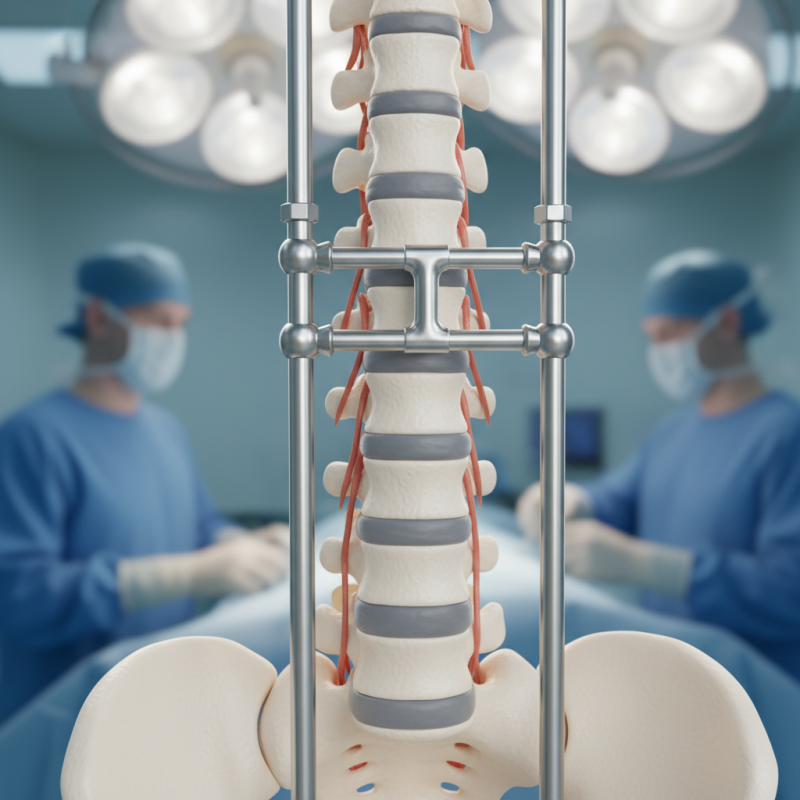
Spinal Cross Link is designed to connect the pedicle screws in spinal instrumentation, improving stabilization post-surgery. The device helps maintain alignment during the healing process, which is crucial for patient recovery. Improved stability can lead to fewer complications and better outcomes for patients.

However, the field is not without its challenges. While the Spinal Cross Link shows promise, it requires precise placement and appropriate selection of candidates. Not all patients may experience the same benefits. Therefore, continued research and refinement are essential for maximizing its effectiveness and ensuring patient safety.
What is Spinal Cross Link and How Does it Work?

What is Spinal Cross Link?

Spinal Cross Link refers to a surgical technique used to stabilize the spine. It often involves placing rods and screws along the vertebrae. This procedure aims to support the spine and maintain its alignment during recovery. Often used for patients with spinal deformities, it acts almost like a bridge, connecting various segments.

This technique can significantly improve a patient’s quality of life. It may help reduce pain and restore mobility. However, the procedure is not without risks. Some patients may experience complications such as infection or hardware failure. Others might find that the expected benefits aren't as pronounced.

Surgeons perform Spinal Cross Link with careful consideration of each patient's unique anatomy. Precision is crucial. Decisions are made based on individual needs and challenges. Spinal health can be complex, and what works for one might not work for another. A thoughtful approach is essential in navigating these options. It's a learning curve for both patients and medical professionals.

Spinal Cross Link Analysis

The Anatomy of Spinal Cross Link Devices

Spinal cross link devices are essential in spinal surgeries. They play a critical role in stabilizing the spine. Understanding their anatomy helps us appreciate their function. These devices often consist of two main components: connectors and rods. The connectors stabilize the vertebrae. They provide necessary support, allowing for proper alignment during recovery.

The design of spinal cross links varies. Some might be rigid, while others have flexible properties. This variation allows surgeons to customize treatments based on patient needs. The rods are attached to the connectors, spanning multiple vertebrae. Often made from titanium or stainless steel, they ensure durability. The precise measurements of these devices are crucial. Poorly sized links can lead to complications.

Despite their advancements, challenges exist. Not every patient responds well. Some may experience discomfort or complications after surgery. Surgeons need to consider these factors carefully. The balance between stability and flexibility is delicate. Further innovation in spinal cross link technology could help solve these issues. A better understanding is necessary for improvement over time.

How Spinal Cross Link Functions in Spinal Fusion

Spinal Cross Link serves as a crucial component in spinal fusion. It enhances the connection between vertebrae, providing stability. This stability is essential for successful healing after surgery. The link is made from durable materials that can withstand significant stress. It helps keep the spine aligned during recovery.

During the spinal fusion process, the spinal cross link helps maintain proper position. Without it, there is a risk of misalignment. Such an issue can lead to prolonged pain and complications. The link allows the bone grafts to integrate more effectively. This creates a solid bony bridge. Enhanced fusion leads to better patient outcomes.

Tip: Proper post-surgery care is vital for recovery. Follow your doctor’s guidelines closely. Avoid excessive movement to promote healing.

As with any medical procedure, individual responses vary. Some patients may experience slower healing. Others may face challenges in mobility. Understanding these factors is important. Regular follow-ups with healthcare professionals will ensure that everything is on track.

Tip: Keep a journal of your recovery. Documenting pain levels and mobility can help you communicate effectively with your doctor.

What is Spinal Cross Link and How Does it Work?

Feature Description Functionality
Spinal Cross Link A device used to enhance stability in spinal fusion surgery. Provides additional support for fusion areas between vertebrae.
Materials Used Typically made from titanium or biocompatible alloys. Ensures compatibility with human tissue and minimizes rejection.
Indications Used in cases of spinal instability such as scoliosis or spinal fractures. Helps to restore normal spine alignment and stability.
Surgical Technique Involves the placement of the cross link using guided surgical methods. Ensures precise positioning for optimal support.
Recovery Time Varies based on individual patient factors and the extent of the surgery. Critical for assessing the success of spinal fusion.

Benefits of Using Spinal Cross Link in Surgery

Spinal Cross Link is an innovative technique used in spinal surgery. It enhances the stability of spinal constructs by connecting rods to pedicle screws. This creates a more robust framework to support the spine. Surgeons utilize these links to reduce the risk of hardware failure. More stability leads to improved outcomes for patients.

One significant benefit of Spinal Cross Link is the enhanced load distribution along the spinal column. This reduces the stress on individual screws and rods. With reduced stress, the likelihood of complications decreases. Additionally, this technique can lead to shorter recovery times. Patients often experience less pain and faster mobility post-surgery.

Implementing Spinal Cross Link may present challenges. Surgeons need to master its application, which can be technically demanding. There’s a learning curve involved. However, the potential benefits often outweigh these initial difficulties. Ensuring proper alignment and attachment is crucial for success. The technique may not be suitable for every patient or condition, requiring careful consideration.

Potential Risks and Considerations for Spinal Cross Link Use

Spinal cross links are used in spinal surgeries to stabilize vertebrae. While they can improve outcomes, potential risks exist. Patients should be aware of complications like infection or hardware failure. These could lead to further surgery or prolonged recovery.

If you're considering this procedure, it's essential to discuss all risks with your surgeon. Understanding your anatomy and the specifics of spinal cross links helps in making informed decisions. Keep track of your symptoms post-surgery. Early detection of any issues can save you from serious outcomes.

One tip is to engage in gentle, doctor-approved exercises after surgery. This can promote healing and strengthen surrounding muscles. Be mindful of any unusual pain or discomfort. If something feels off, don't hesitate to call your medical team. Your health should always come first.

FAQS

: What is Spinal Cross Link?

: Spinal Cross Link is a surgical technique that stabilizes the spine by connecting vertebrae with rods and screws.

How does Spinal Cross Link improve recovery?

It supports spine alignment, reducing pain and restoring mobility during recovery.

What are the risks associated with Spinal Cross Link?

Risks include infection and hardware failure, which may require further surgery or delay healing.

Why is precision important in this procedure?

Every patient's anatomy is unique, making careful decisions vital for successful outcomes.

What should patients do after spinal surgery?

Follow doctor’s guidelines closely and avoid excessive movement to promote healing.

How can I track my recovery progress?

Keep a journal of pain levels and mobility to discuss with your doctor during follow-ups.

Can everyone expect the same results from this procedure?

No, healing varies; some patients may heal slowly or face mobility challenges.

What should I do if I feel unusual pain post-surgery?

Report any unusual pain or discomfort to your medical team promptly for evaluation.

How do spinal cross links help in spinal fusion?

They enhance stability, allowing bone grafts to integrate effectively and creating a solid bony bridge.

Conclusion

Spinal Cross Link is a critical component in spinal fusion procedures designed to enhance stability and support within the spine. These devices secure rods to the vertebrae, preventing motion and promoting the healing process after surgery. The anatomy of Spinal Cross Link devices typically involves a robust construction that allows for optimal load distribution and alignment, minimizing the risk of complications during recovery.

The function of Spinal Cross Link in spinal fusion is primarily to connect spinal rods, effectively stabilizing the spine while intervertebral fusion occurs. The benefits of utilizing Spinal Cross Link in surgical applications include improved spinal alignment, reduced pain, and faster recovery times. However, potential risks and considerations must also be addressed, such as infection or hardware failure. Overall, Spinal Cross Link plays a vital role in the success of spinal surgeries, contributing significantly to patient outcomes.

Liam

Liam

Liam is a dedicated marketing professional with a profound expertise in the industry, where he excels at highlighting the unique advantages of our core products. With a keen understanding of market trends and consumer needs, Liam frequently updates our company’s professional blog, providing......