Outpatient urology depends on practical tools, clear workflows, and careful patient assessment. This guide, “China Top 10 Urology Products for Outpatient Care,” introduces products commonly used in clinics, from bladder scanners and uroflowmetry systems to catheters, drainage bags, cystoscopy instruments, and biopsy accessories. The right choice is not simply the one with the longest feature list. It should fit the procedure, the patient, and the clinic’s available staff and equipment.
A useful standard comes from physician Dr. William J. Mayo: “The best interest of the patient is the only interest to be considered.” That principle guides this overview of How to select urology products for outpatient care. Check intended use, material compatibility, instructions for use, sterilization requirements, and supplier documentation. For example, a catheter must match the clinical purpose and patient needs; a bladder scanner should suit the clinic’s room layout and workflow. Small details matter.
This is a starting point, not a purchasing verdict. Product specifications and clinical needs vary. Buyers should review current evidence, consult qualified clinicians, and verify that products meet applicable requirements in their markets. A polished brochure is not enough. Look closely. Compare carefully. Some choices remain uncertain until tested in real workflows.
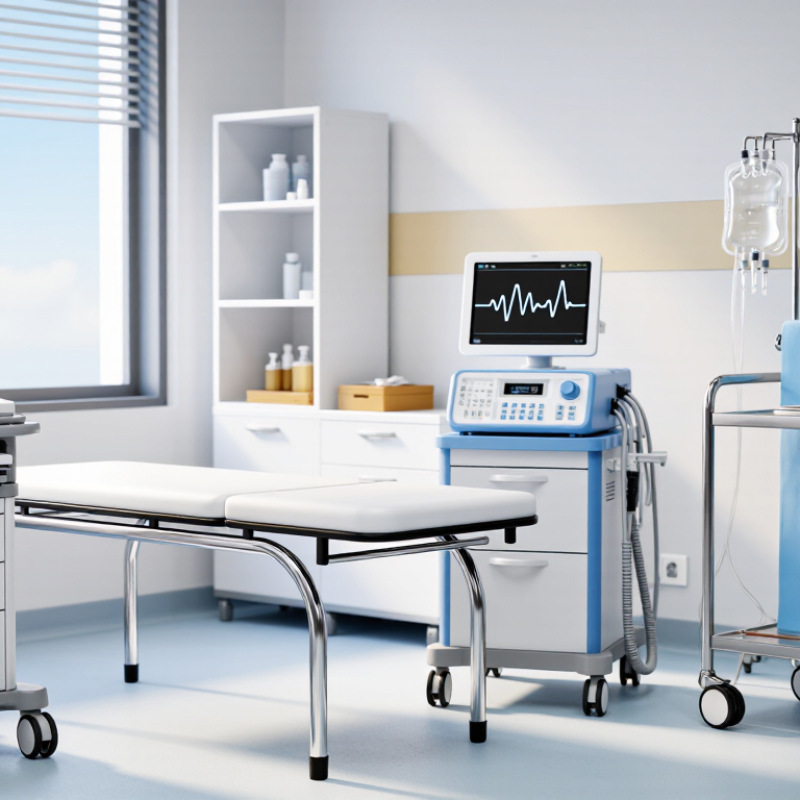
China’s outpatient urology services need practical tools for quick assessment, clear documentation, and follow-up. In many clinics, care begins with urine collection cups, urinalysis strips, urine analyzers, and sediment analysis systems. These support routine checks, but sample handling still matters. A rushed collection can affect the result.
For urinary symptoms, uroflowmeters and portable bladder scanners help clinicians assess flow and estimate residual urine. Ultrasound systems provide additional information when examination is needed. Flexible cystoscopes can support selected diagnostic procedures, while catheters and irrigation sets serve specific clinical needs. Equipment choice should match the clinic’s patient volume, room layout, staff training, and cleaning capacity. More features do not always mean better care.
Reliable outpatient workflows also depend on small details: readable displays, stable supplies, clear maintenance records, and accessible instructions. It sounds simple. It isn’t. A scanner may be available, yet staff may need time to learn consistent positioning. Disposable items must be stored properly, and reusable instruments require validated reprocessing. Clinics should follow local protocols and manufacturers’ instructions, review device performance, and refer patients when findings exceed outpatient capability. Needs vary between facilities, so a standard “top ten” list is only a starting point.
| No. | Product Category | Typical Outpatient Use | Common Specifications or Features | Key Selection Considerations |
|---|---|---|---|---|
| 1 | Urine specimen containers | Collecting midstream urine for routine urinalysis or urine culture. | Leak-resistant screw cap; sterile containers are used when culture testing is requested. Capacity varies by laboratory workflow. | Clear labeling, secure closure, adequate sample volume, and sterile packaging when required. |
| 2 | Urinalysis reagent strips | Rapid screening of urine chemistry during assessment of urinary symptoms and follow-up. | Available with different analyte panels; common parameters include blood, protein, glucose, pH, and leukocyte esterase. | Match strip compatibility to the reading method, observe expiry and storage conditions, and confirm results clinically. |
| 3 | Urine culture transport tubes or containers | Transporting urine specimens from outpatient collection to a microbiology laboratory. | May use a sterile container or a laboratory-approved transport system; some systems contain preservative. | Follow the receiving laboratory’s collection, storage, and transport instructions; avoid contamination. |
| 4 | Urine sediment examination supplies | Microscopic examination or automated analysis of formed elements in urine. | May include tubes, slides, or analyzer-specific consumables; the workflow depends on the laboratory method. | Use validated, compatible consumables and process specimens according to laboratory procedures. |
| 5 | Bladder ultrasound scanner | Non-invasive estimation of bladder volume and post-void residual urine. | Portable ultrasound device with a probe and a display; measurement features differ by model. | Consider measurement workflow, ease of probe positioning, cleaning requirements, and staff training. |
| 6 | Uroflowmetry system | Recording urinary flow patterns as part of evaluation for lower urinary tract symptoms. | Typically records flow rate and voided volume; some systems also display flow curves and calculated measures. | Interpret results alongside symptoms and other findings; an inadequate voided volume may limit interpretation. |
| 7 | Single-use intermittent urinary catheters | Intermittent bladder emptying for patients with urinary retention or impaired bladder emptying, when clinically indicated. | Available in different French sizes, lengths, tip designs, and materials; adult sizes are selected individually. | Select size and design for the patient and intended use; provide appropriate hygiene and use instructions. |
| 8 | Indwelling Foley catheters | Short-term bladder drainage when an indwelling catheter is clinically necessary. | Two-way designs provide drainage and balloon inflation channels; French size, material, and balloon volume vary. | Use the smallest suitable size and the specified balloon volume; review infection-prevention and removal plans. |
| 9 | Flexible cystoscopy equipment and consumables | Endoscopic examination of the urethra and bladder in an appropriately equipped outpatient procedure room. | May include a flexible cystoscope, compatible accessories, and reprocessing supplies; single-use and reusable systems are available. | Check image quality, accessory compatibility, infection-control workflow, and applicable reprocessing requirements. |
| 10 | Sterile lubricating anesthetic gel | Lubrication for urethral catheterization or selected endoscopic procedures; anesthetic formulations may be used when appropriate. | Sterile, single-use presentations are commonly used for urethral procedures; formulation and volume vary. | Check patient contraindications, intended procedure, product instructions, and local clinical protocols. |
Note: This is a practical overview of common outpatient urology product categories, not a sales ranking or market-share estimate. Product selection and use should follow clinical judgment, local protocols, and applicable regulations.
It includes urine collection cups, specimen containers, urinalysis strips, intermittent catheters, and lubricating gel. It also includes drainage bags, bladder scanners, uroflowmetry systems, cystoscopy sets, and cleaning supplies.
Start with the procedure, then consider patient volume, room layout, staff skills, and cleaning capacity. The best fit may differ between clinics.
Ask staff to demonstrate the complete cleaning workflow. Check material compatibility and keep traceable cleaning records.
A hands-on trial can reveal awkward controls or insecure connectors. But brief testing may miss problems that appear months later.
No. It is a practical care-focused selection, not a verified sales ranking.
Clear specimen-cup markings may prevent mix-ups. A quiet bladder scanner may make scanning more comfortable. Small details matter.
Include repairs, disposable components, maintenance, storage, and staff time. A low price can be misleading.
Check product compatibility before purchasing. Keep a simple stock log and review it monthly. It is easy to overlook.
This article explores the core needs of urology outpatient care in China, where efficient assessment, diagnosis, treatment, and follow-up depend on appropriate clinical tools and supplies. It introduces ten commonly relevant product categories, such as examination instruments, diagnostic equipment, catheterization supplies, drainage products, and accessories for routine procedures. Together, these products can support care across the outpatient pathway, from initial evaluation to treatment and ongoing monitoring.
The article also explains how to select urology products for outpatient care by considering clinical suitability, ease of use, patient comfort, safety, quality, and compatibility with established workflows. Healthcare providers and procurement teams should assess product specifications, staff needs, storage and maintenance requirements, and supplier documentation before purchasing. A careful, needs-based approach can help clinics provide consistent care while managing resources responsibly.

 Wigivida Medical