A nebulizer is a medical device that turns liquid medicine into a mist people can inhale through a mask or mouthpiece. A small compressor or mesh mechanism creates the mist, which travels with each breath into the airways. The routine can feel simple: sit upright, fit the mask comfortably, and breathe at a steady pace while the device hums. It is not a cure. Its role depends on the prescribed medicine and the person’s condition.
Exploring How nebulizers benefit respiratory patients means looking at practical needs, not just the equipment. Nebulized treatment may help people who have difficulty using certain inhalers or need medicine delivered this way. Yet a nebulizer is not automatically better than an inhaler; the right choice depends on clinical advice, age, symptoms, and the specific medication. Technique matters. So does cleaning. Follow the device instructions and the clinician’s directions, since leftover moisture or residue can affect hygiene and operation. A treatment may take several minutes, and that can feel long when breathing is already uncomfortable. It is worth asking whether the device remains necessary and whether the treatment is helping. If breathing suddenly becomes severe or worsens, seek urgent medical care rather than relying on a nebulizer alone.
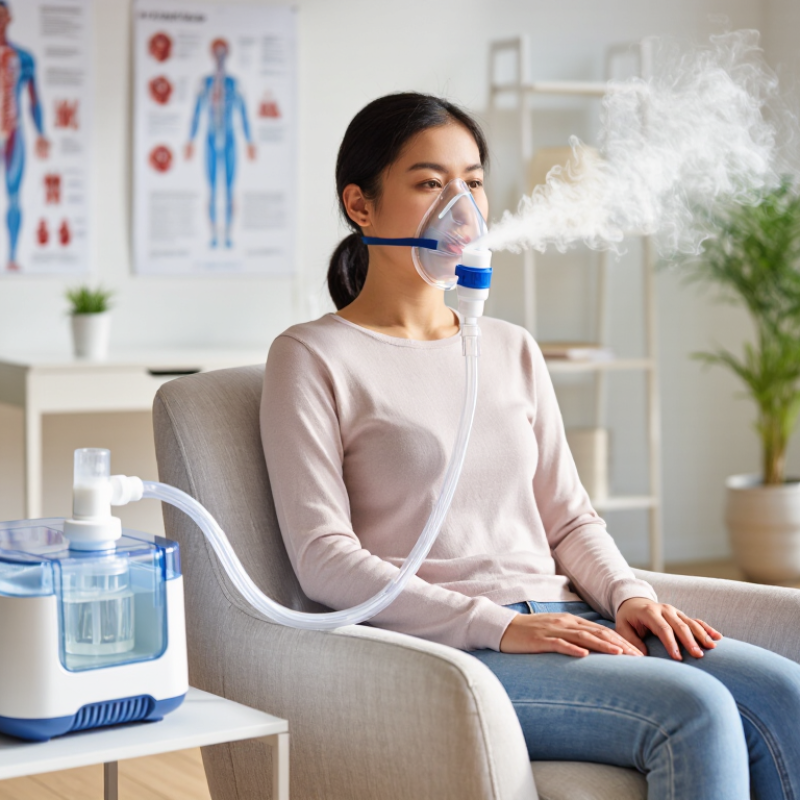
A nebulizer is a medical device that changes liquid medicine into a fine aerosol. You breathe this mist through a mouthpiece or face mask. The aerosol can reach the airways, where prescribed medicine may relax airway muscles or reduce inflammation.
Most nebulizers use compressed air, vibration, or ultrasonic energy. Treatment commonly takes several minutes. The equipment usually includes a medication cup, tubing, and an air compressor. It may look simple, but correct assembly matters. A loose connection can reduce the mist noticeably.
The World Health Organization reported that asthma affected about 262 million people worldwide in 2019. It also recorded 455,000 asthma-related deaths that year. These figures show why reliable medicine delivery matters, especially during breathing difficulties. The American Association for Respiratory Care states that aerosol therapy depends on device selection, patient technique, and proper maintenance.
A nebulizer does not create oxygen, cure asthma, or replace urgent medical care. That distinction is often missed. A calm mist may feel reassuring, yet worsening breathlessness still requires professional assessment. Medication should come only from a qualified clinician. The cup and mask also need cleaning as directed, because contamination can become a practical safety problem.
In real use, children may resist the mask, while older adults may breathe too quickly. A healthcare professional can demonstrate slower, comfortable breathing. Even experienced users sometimes skip cleaning. That small habit deserves more attention.
A nebulizer turns liquid medicine into a breathable mist. Compressed air or ultrasonic energy breaks the liquid into tiny droplets. Many inhaled particles measure about 1–5 micrometers. This size can travel beyond the mouth and throat. The patient breathes normally through a mouthpiece or mask. No forceful inhalation is usually required.
The process sounds simple. Technique still matters. A respiratory therapist may check the mask seal, breathing pattern, and treatment time. GINA’s 2024 strategy report emphasizes that delivery method should match the patient’s condition and ability. A Cochrane review of 39 studies found similar short-term bronchodilator responses from nebulizers and inhalers with spacers in many acute asthma cases. That finding challenges the assumption that mist always works better.
Nebulized medicine can help young children, older adults, or people struggling to coordinate an inhaler. It may also take longer than expected. Some sessions last 5–15 minutes, depending on the device and medication. Patients should use only the prescribed solution and dose. Cleaning after each treatment reduces residue and contamination risks. Never share masks or medication cups. One practical weakness remains: a poorly fitted mask wastes mist. A clinician should reassess symptoms when breathing becomes worse, treatment feels ineffective, or repeated doses seem necessary.
A nebulizer changes liquid medicine into an inhalable mist. The chart shows approximate aerodynamic particle-size bands and where particles of different sizes are more likely to travel in the respiratory system.
Particles around 1–5 micrometers are generally considered suitable for reaching the lower airways, although actual deposition depends on breathing technique, airway condition, device performance, and the medication formulation. These ranges are approximate educational values.
A nebulizer changes liquid medicine into an inhalable mist. Its main parts determine how efficiently that mist reaches the lungs. The compressor supplies pressurized air, while the tubing carries air into the medication cup. Inside the cup, a jet and baffle break the liquid into tiny droplets. Many systems target particles between 1 and 5 micrometres, a range commonly used for lower-airway delivery. According to ISO 27427, nebulizing systems should meet defined performance and safety requirements, including aerosol output and resistance to leakage.
The medication cup holds the prescribed solution and should remain upright during treatment. A mouthpiece usually reduces facial loss, while a mask may help children or people who cannot seal their lips. Poor mask contact can leave visible mist around the cheeks. That looks harmless, but it may reduce the delivered dose. The compressor filter, power source, and tubing also matter. A blocked filter can weaken airflow. A cracked cup can change the spray pattern.
The World Health Organization reported 262 million asthma cases and 455,000 asthma-related deaths worldwide in 2019. That figure shows why reliable delivery matters, but a nebulizer is not automatically the best device for every patient. The American Association for Respiratory Care emphasizes correct technique, cleaning, and device selection. In practice, users often clean the cup carefully but forget the mouthpiece. That small mistake deserves more attention.
A nebulizer changes prescribed liquid medicine into a fine mist that can be inhaled through a mouthpiece or mask. The device uses airflow to break the liquid into tiny droplets. These droplets travel through the mouth or nose, then move down the throat and into the airways.
Breathing technique affects where the medicine goes. Slow, steady breaths help more mist pass beyond the throat. Sitting upright can support better airflow. A sudden cough may interrupt delivery, but it does not always mean the treatment failed. Some droplets remain in the mouth or mask, especially when the fit is loose. Children may need reassurance because the sound and mist can feel unfamiliar.
Different medicines serve different purposes. A bronchodilator may relax tightened airway muscles, while an inhaled corticosteroid can reduce inflammation when prescribed. Sterile saline may help loosen thick mucus in selected situations. The treatment should match a clinician’s instructions. More medicine is not automatically better. Cleaning and fully drying the device also matter, since leftover moisture can support microbial growth. Instructions vary by device and medication, so general advice has limits.
A nebulizer turns prescribed liquid medicine into a mist that can be breathed through a mouthpiece or mask. It does not add oxygen. Different designs make that mist in different ways, and the right choice depends on the medicine, the person, and practical needs such as cleaning.
Jet nebulizers use compressed air to create mist. They are commonly used with several types of inhaled medicines, though not every solution is suitable. Their compressor can be noisy, like a small appliance on a bedside table, and treatments may take several minutes. Ultrasonic nebulizers use vibrations to form mist and are often quieter. However, heat from some devices may affect certain medicines, so check the instructions before use. Quiet helps.
Mesh nebulizers push liquid through a fine vibrating screen. Many are compact and portable, which can be useful during travel or when a person has difficulty sitting near a compressor. The mesh needs careful cleaning; dried medicine can block its tiny openings. That detail is easy to overlook. A device’s speed or portability does not guarantee it fits every prescription. Ask a clinician or pharmacist which type works with the prescribed solution, and follow the device’s cleaning and replacement guidance. Comfort matters, but it is not the only measure.
It turns prescribed liquid medicine into a fine mist. You breathe it through a mouthpiece or mask.
It travels through the mouth or nose, past the throat, and into the airways. Some mist may remain in the mask.
Sit upright and take slow, steady breaths. A cough may interrupt treatment, but it does not always mean it failed.
Yes. A bronchodilator may relax tightened airway muscles, while a prescribed corticosteroid can reduce inflammation. Saline may loosen thick mucus in selected situations.
No. Suitability depends on the medicine and device. Check the instructions or ask a clinician or pharmacist.
Jet models use compressed air and can be noisy. Ultrasonic models use vibrations and are often quieter. Mesh models push liquid through a fine screen.
Not necessarily. Comfort and portability matter, but the device must suit the prescribed solution. That detail is easy to miss.
Leftover moisture can support microbial growth, and dried medicine may block a mesh screen. Follow the device’s specific cleaning guidance.
A nebulizer is a device that converts liquid medicine into a fine mist that can be inhaled through a mask or mouthpiece. Its main parts typically include a medicine cup, a mouthpiece or mask, and a system that creates airflow or vibration to form the mist. Once inhaled, the tiny droplets travel through the airways toward the lungs, where the medicine can help ease breathing symptoms as prescribed by a healthcare professional.
How nebulizers benefit respiratory patients depends partly on the device and the person’s needs. Common types include compressor, ultrasonic, and mesh nebulizers, which produce mist in different ways. Some are designed for home use, while portable models may be more convenient when mobility matters. Following the device instructions, keeping its parts clean, and using only prescribed medicine can help support safe and effective treatment.

Wigivida Medical