Smoking is a widely recognized obstacle in dental health, particularly concerning implants. Dr. John Smith, a leading implantologist, states, "Smoking significantly hampers the body’s healing process." This assertion highlights a critical issue: Why smoking damages implants. The harmful chemicals in smoke interfere with blood flow, impeding proper healing and integration.
When dental implants are placed, osseointegration is essential. Smokers often experience slower healing rates, leading to lower success rates. The risks increase as the body struggles to repair itself amidst constant exposure to toxins. Each puff introduces compounds that threaten gum health, essential for supporting implants.
Complications from smoking can manifest in chronic infections and implant failure. Patients may underestimate these risks. Understanding why smoking damages implants is crucial for those considering this dental solution. The journey towards a healthy smile requires commitment. Being aware of these challenges can help patients make informed decisions about their dental health.
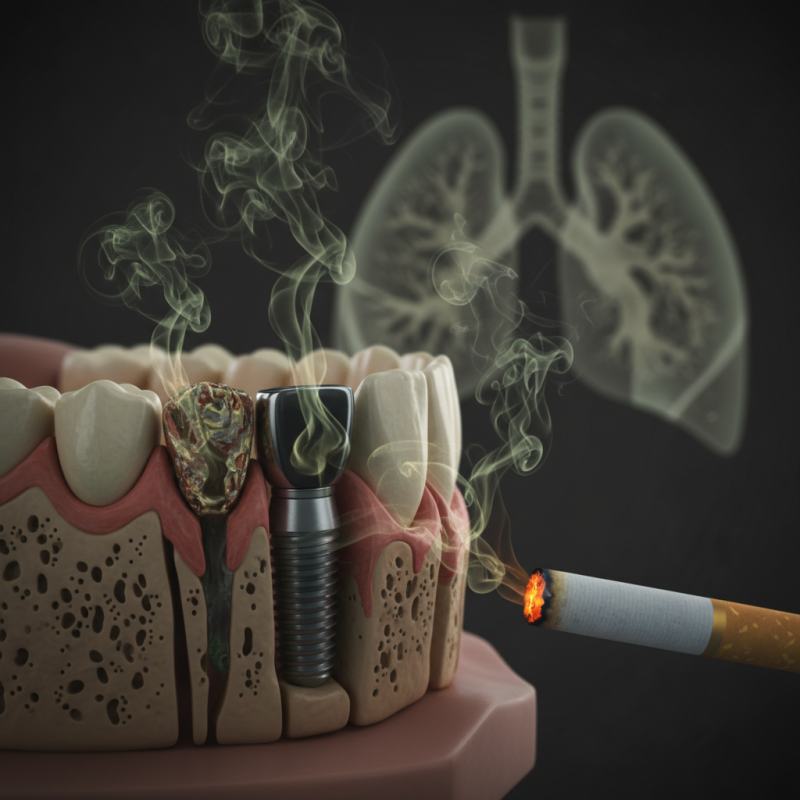
Dental implants are artificial tooth roots surgically placed in the jawbone. They support replacement teeth and restore functionality. Over 3 million Americans have implants. Each year, this number increases by half a million. Many see dental implants as a long-term solution for missing teeth.
The implant process entails multiple steps. First, a titanium post is inserted into the jawbone. Then, a healing period of 3-6 months follows. This allows the bone to fuse with the implant, ensuring stability. Proper placement and materials enhance success rates. Research shows a 95% success rate in healthy patients.
However, certain behaviors can complicate this success. Smoking affects blood flow and healing time. Studies indicate smokers have a significantly higher implant failure rate. Poor oral hygiene can contribute to complications, too. Keeping implants clean is crucial. Regular check-ups and maintenance are essential for longevity. Understanding these factors can guide individuals toward successful dental care decisions.
: Dental implants are artificial tooth roots surgically placed in the jawbone. They support replacement teeth.
Over 3 million Americans currently have dental implants. This number increases by about half a million yearly.
Research shows a 95% success rate in healthy patients for dental implants. However, success depends on various factors.
Smoking significantly increases implant failure rates. Smokers are more likely to experience complications and prolonged healing.
Smokers should consider quitting smoking before the procedure. A smoke-free period of four weeks can improve healing.
Keeping implants clean is crucial for longevity. Poor oral hygiene can lead to complications and implant failure.
Regular dental check-ups and a strict oral hygiene regimen are essential. Discussing strategies with a dental professional can help.
Smoking and poor oral hygiene are significant factors that can complicate the success of dental implants.
Ignoring proper care can result in costly and painful consequences, leading to implant failure and additional treatments.
Engaging in discussions with dental professionals can provide clarity. Awareness of personal risks leads to informed choices.
Dental implants are artificial tooth roots placed into the jawbone, designed to support replacement teeth. However, they can be negatively affected by various factors, particularly smoking. "Why smoking damages implants" lies in its detrimental effects on oral health and the healing process. Smoking compromises blood flow, reduces oxygen supply, and alters the immune response, leading to a higher risk of implant failure.
Research has shown that smokers experience increased rates of complications and implant failures compared to non-smokers. The mechanisms behind this damage include impaired bone integration and an inflammatory response that hampers healing. To improve the success of dental implants in smokers, strategies such as smoking cessation are crucial. Understanding the relationship between smoking and implant longevity can significantly enhance treatment outcomes for individuals seeking dental restoration.

 Wigivida Medical