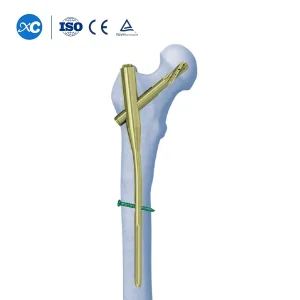
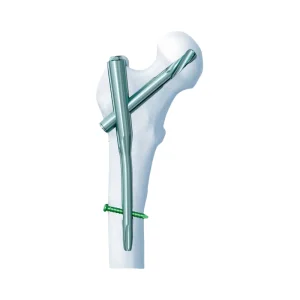
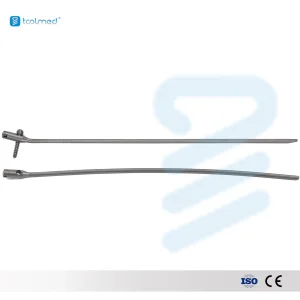
The global orthopedic trauma fixation market is witnessing a paradigm shift, with the Proximal Femoral Nail Antirotation (PFNA) emerging as the gold standard for treating peritrochanteric fractures. As the global population ages, the incidence of hip fractures is projected to reach 6.26 million annually by 2050. This surge has positioned PFNA systems at the forefront of the billion-dollar orthopedic implant industry.
Today, the commercial value of PFNA lies not just in the implant itself but in the comprehensive surgical ecosystem that surrounds it. Manufacturers in China, led by innovators like Yuna Medical, are no longer just "suppliers"—they are strategic partners in the global healthcare supply chain. From the high-tech trauma centers in New York to regional hospitals in Southeast Asia, the demand for high-quality, cost-effective intramedullary nails has never been higher. The industry is moving toward "smart implants" and localized manufacturing hubs to reduce the critical lead time required for emergency trauma surgeries.
The Proximal Femoral Nail Antirotation industry is currently shaped by three major technological trends:
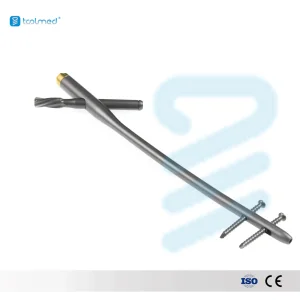
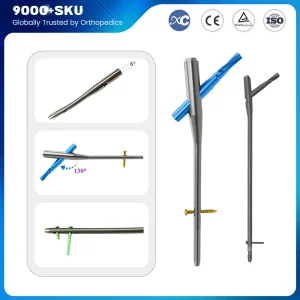
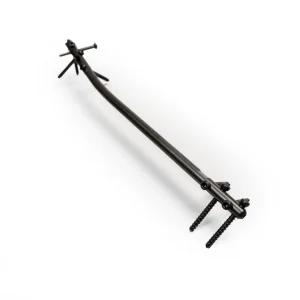
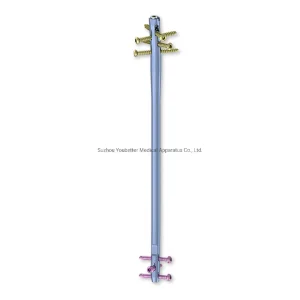
Our flagship Hot Sale Intramedullary Nails System represents the pinnacle of anti-rotation technology. Designed with a helical blade specifically for osteoporotic bone, it provides superior stability compared to traditional lag screws. This system is engineered to prevent "cut-out," a common failure in geriatric hip surgeries, ensuring the highest patient safety standards.
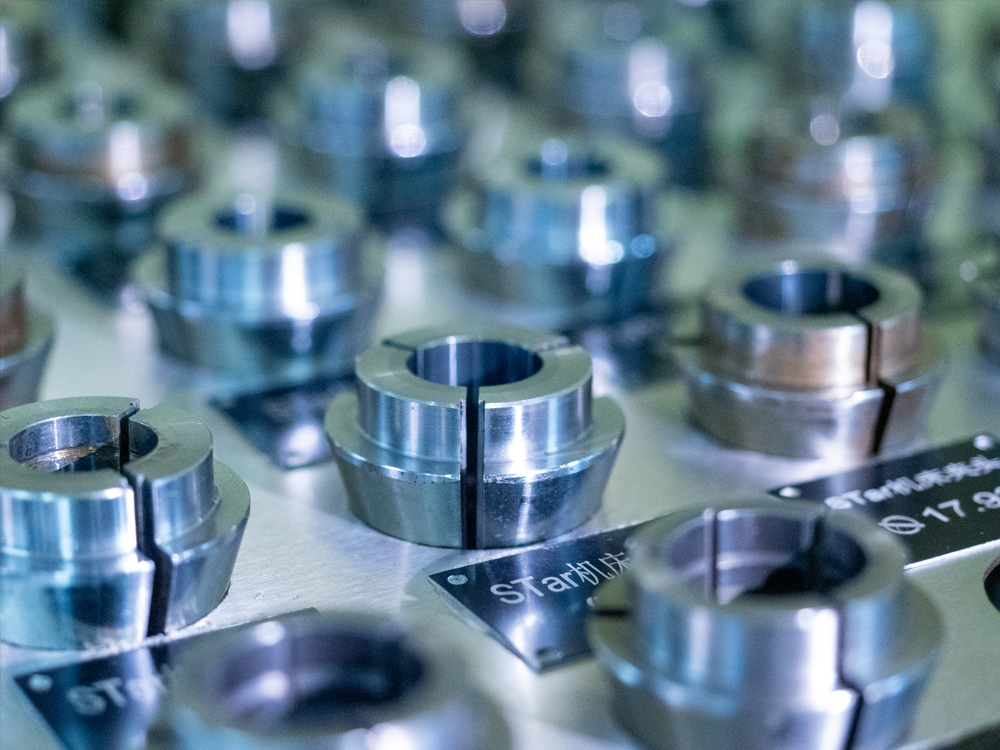
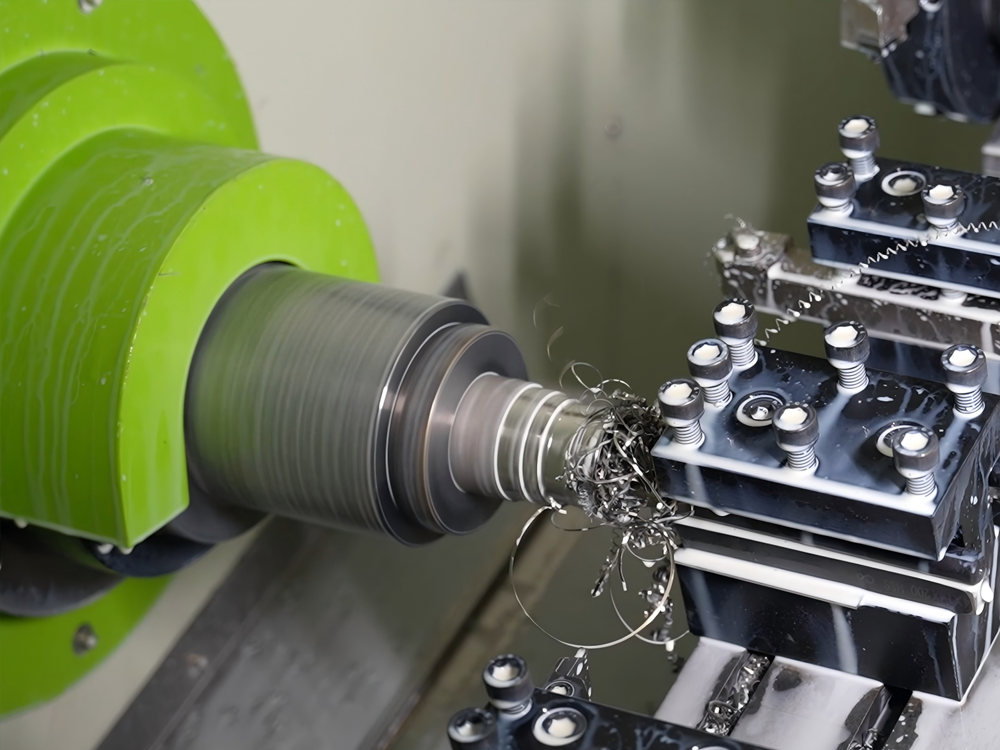
Manufacturing precision is maintained within microns, utilizing CNC Swiss-type lathes and automated quality control to meet the rigorous demands of global orthopedic surgeons.
Modern medical procurement officers are no longer just looking at the unit price. The global demand for Proximal Femoral Nail Antirotation is driven by a "Total Value" approach. Procurement teams from North America, Europe, and the Middle East prioritize:
1. Regulatory Compliance: Verification of CE, FDA, and ISO 13485 certifications is mandatory. China-based manufacturers that have invested in these global standards are seeing a massive uptick in international contracts.
2. Supply Chain Resilience: The ability of a supplier to maintain high stock levels and provide rapid international shipping is critical. In trauma surgery, a 24-hour delay in receiving an implant can have life-altering consequences for a patient.
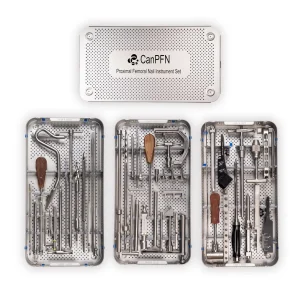
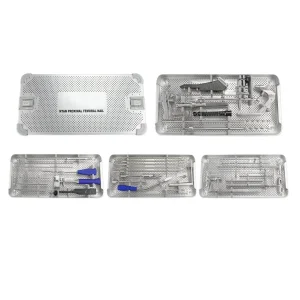
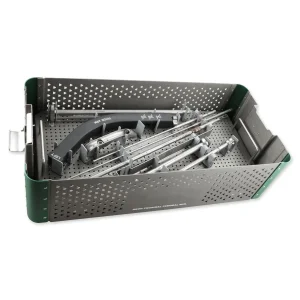
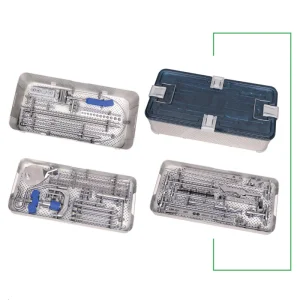
3. Comprehensive Instrumentation: A nail is only as good as the tools used to implant it. Global buyers seek suppliers who offer the complete "Nail + Instrument Set" package, ensuring seamless surgical workflow.
Changzhou Yuna Medical Apparatus And Instruments Co., Ltd. (hereinafter referred to as Yuna Medical) was established in 1992. As a high-tech enterprise integrating research, development, manufacturing, and sales. Yuna Medical has maintained steady growth for the past 30 years and has entered a phase of rapid expansion since 2017.
Guided by the spirit of “Expanding with love, Striving for progress,” Yuna Medical is committed to technological innovation and the development of advanced medical products that empower clinical professionals and benefit patients worldwide.
Our main product lines include Orthopedic Power Tool Systems, Orthopedic External Fixation Systems, Cervical and Lumbar Rehabilitation Solutions.

Advancing in orthopedic technology and global market presence.

Driving innovation in orthopedic and rehabilitation solutions.

Certified by ISO, CE, FDA, ensuring top-tier product quality.
Collaborating with leading universities and clinical experts.
The application of Proximal Femoral Nail Antirotation varies significantly based on regional healthcare infrastructure and patient demographics. Understanding these localized needs is what separates a top-tier supplier from a generic manufacturer.
In regions like Europe and North America, the primary application is for geriatric hip fractures. These patients often suffer from severe osteoporosis. The antirotation helical blade of our PFNA systems is specifically designed to compress the cancellous bone rather than remove it, providing vital stability in "soft" bone environments. Our localized distribution networks ensure that these implants are available in trauma theaters within hours.
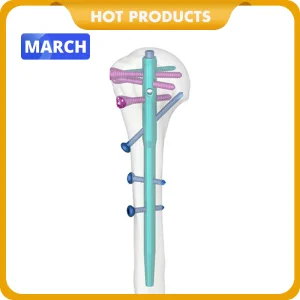
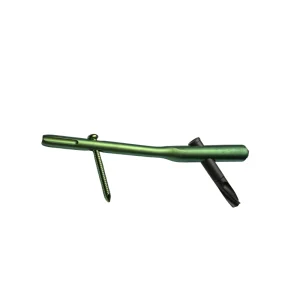
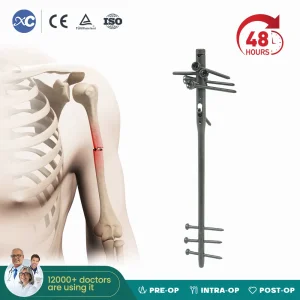
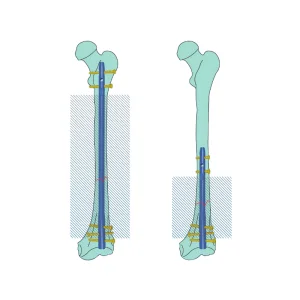
For complex fractures that extend beyond the proximal femur, our Medical Supply Orthopedic Implant Titanium Interlocking Humerus Nail and femoral variations offer multi-directional locking options. This technology allows surgeons to stabilize fragments that were previously difficult to reach with standard intramedullary nails.
By offering a modular approach, we enable hospitals to reduce their inventory while increasing their surgical capabilities, a key requirement for modern localized medical facilities.
In developing regions, PFNA systems are frequently used for high-velocity trauma cases resulting from industrial or road accidents. These scenarios often involve younger patients with high bone density but complex, comminuted fractures. Here, the mechanical strength of the nail and the precision of the interlocking screws are paramount. Our factory uses medical-grade titanium that offers the perfect balance of flexibility (to match the bone's modulus of elasticity) and strength (to support weight-bearing during healing).
As the "World's Factory," China has transitioned from high-volume production to high-precision medical manufacturing. Choosing a supplier like Yuna Medical offers several strategic advantages:
The journey of a thousand miles begins with a single step, and for a patient recovering from a hip fracture, that step is made possible by the precision of a Proximal Femoral Nail Antirotation. As we look toward the future, Yuna Medical is committed to integrating biological coatings and smart sensors into our PFNA systems, allowing for real-time monitoring of bone healing.
Our role as a leading China PFNA Manufacturer and Supplier is to ensure that no matter where a patient is, they have access to the world's best orthopedic technology. We invite global medical distributors, hospital procurement managers, and orthopedic surgeons to partner with us in this mission. Together, we can redefine trauma care and improve surgical outcomes for millions.

 Wigivida Medical