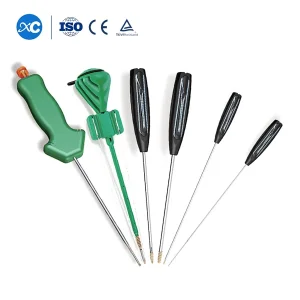
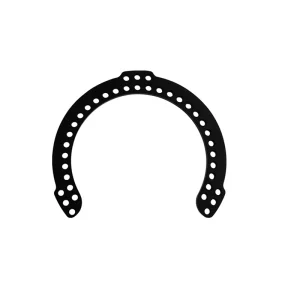
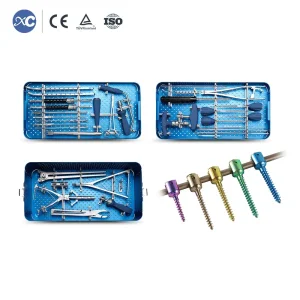
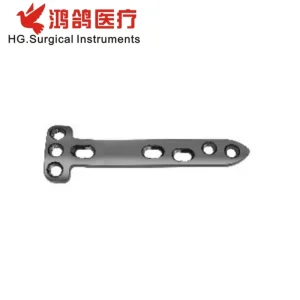
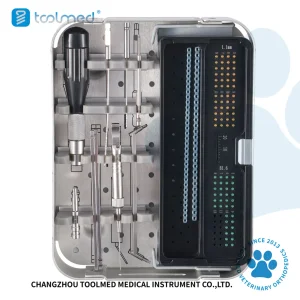
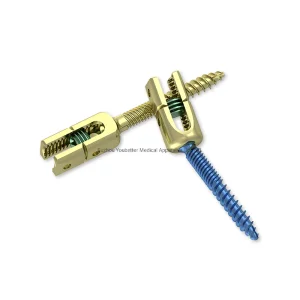
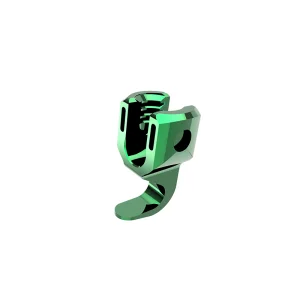
The modern spinal rod system constitutes the structural backbone of posterior spinal fixation. Utilized primarily in spinal fusion surgeries to treat deformities (scoliotic curvatures), degenerative disc disease, spondylolisthesis, and acute spinal trauma, these assemblies must balance load sharing and long-term fatigue limit. From an engineering perspective, the implant relies on complex thread interaction within pedicle screws and mechanical stabilization provided by connecting longitudinal rods and crosslinks.
We utilize medical-grade Grade 5 Titanium Alloy (Ti-6Al-4V ELI) adhering strictly to ASTM F136 standards, and high-performance Cobalt-Chromium (CoCr) alloy (ASTM F1537) for specialized applications. Titanium offers unparalleled biocompatibility, a high strength-to-weight ratio, and a modulus of elasticity closer to cortical bone than stainless steel. Cobalt-Chromium rods are introduced to achieve higher construct stiffness, facilitating superior corrective forces in pediatric and adult spinal deformity maneuvers without risking rod breakage.
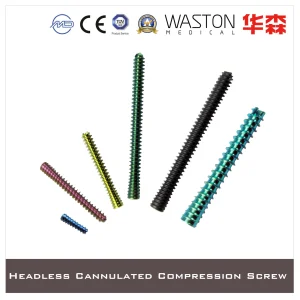
Our complete spinal rod fixation portfolio integrates polyaxial pedicle screws, monoaxial screws, reduction screws, crosslinks, laminar hooks, and transverse connectors. Polyaxial screws feature an industry-standard 60-degree range of motion, allowing surgeons to contour rods through complex spatial trajectories during posterior thoracic and lumbar instrumentation. Dual-lead thread profiles facilitate rapid insertion, maximizing pull-out strength in both cortical and cancellous bone structures.
Importing orthopedic medical devices requires absolute alignment with domestic healthcare ministries. As a primary China manufacturer, we ensure all materials, processes, and products align with ISO 13485:2016 quality management systems. Every shipment comes with material traceability documentation, physical test certifications, and biological sterilization indicators (ETO sterilization validated under ISO 11135 norms) to satisfy CE and domestic FDA inspection protocols.
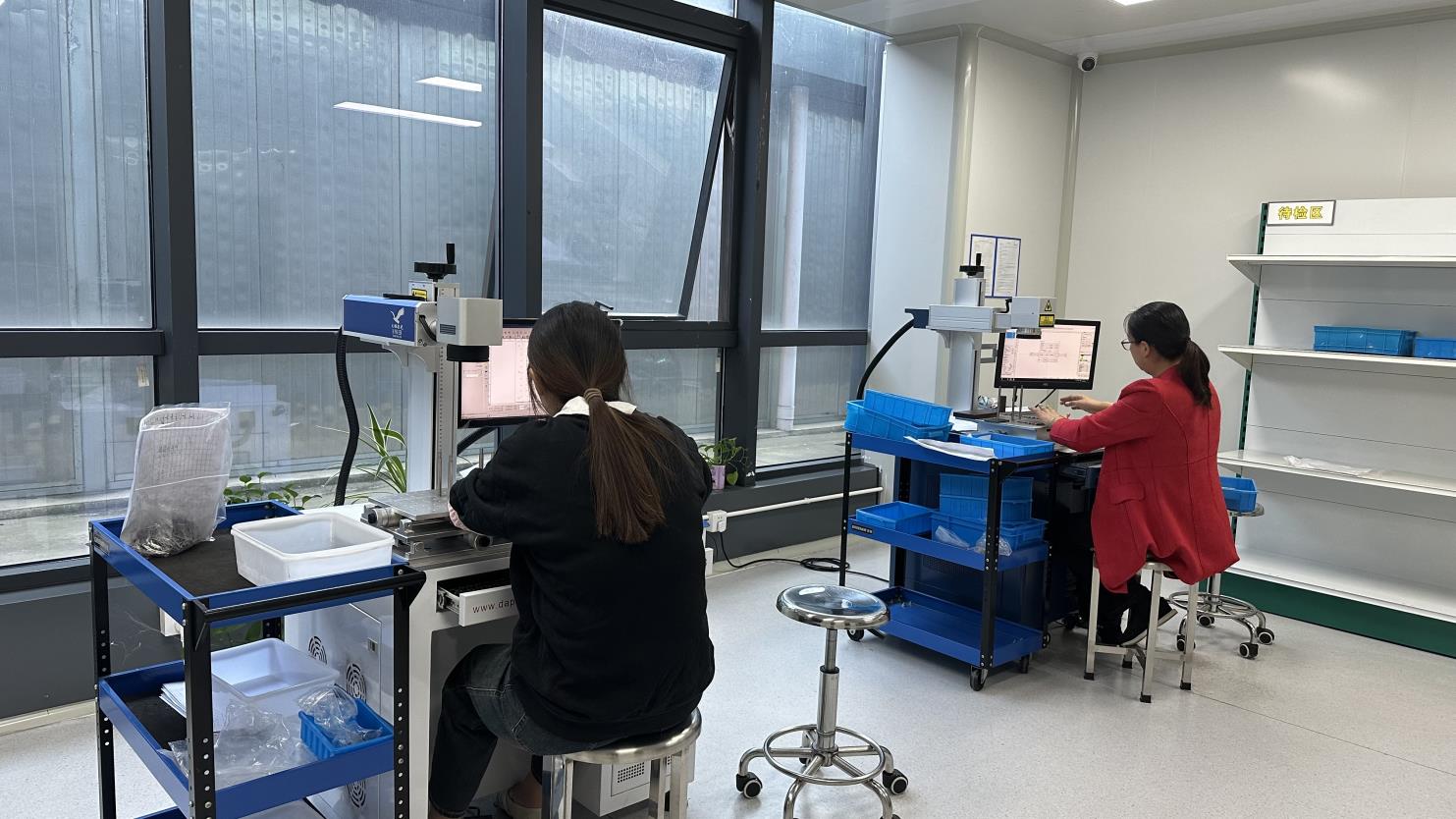
Understanding that global medical distributors, orthopedics groups, and OEM brands require tailored product portfolios, we offer customization from custom-designed thread pitches to patient-specific spinal systems. Our Class 10,000 packing suites support sterile single-pack or bulk instrumentation kits. With laser etching systems, we deliver precise tracking (UDI - Unique Device Identification) compliance down to the individual serial number on each spinal rod and screw.
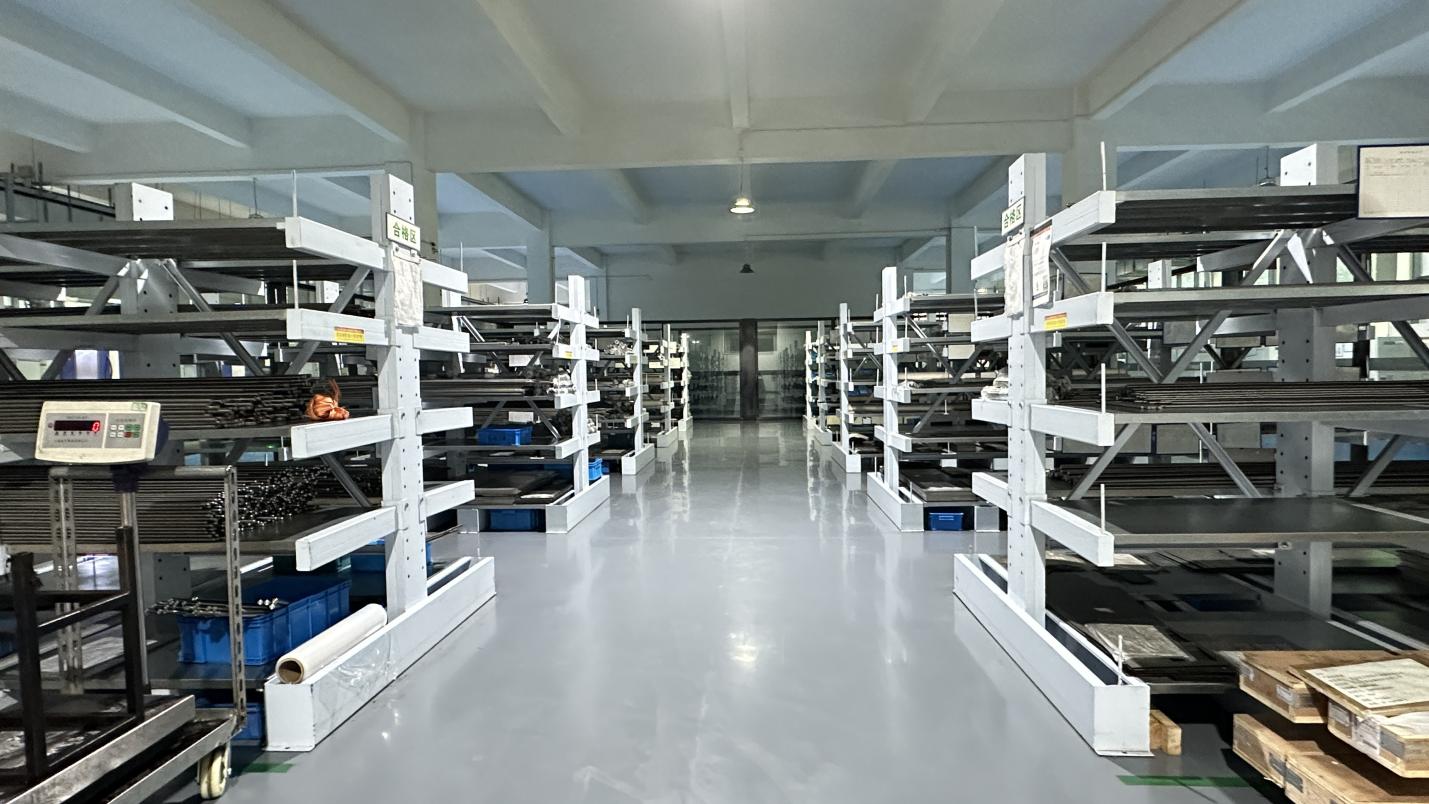
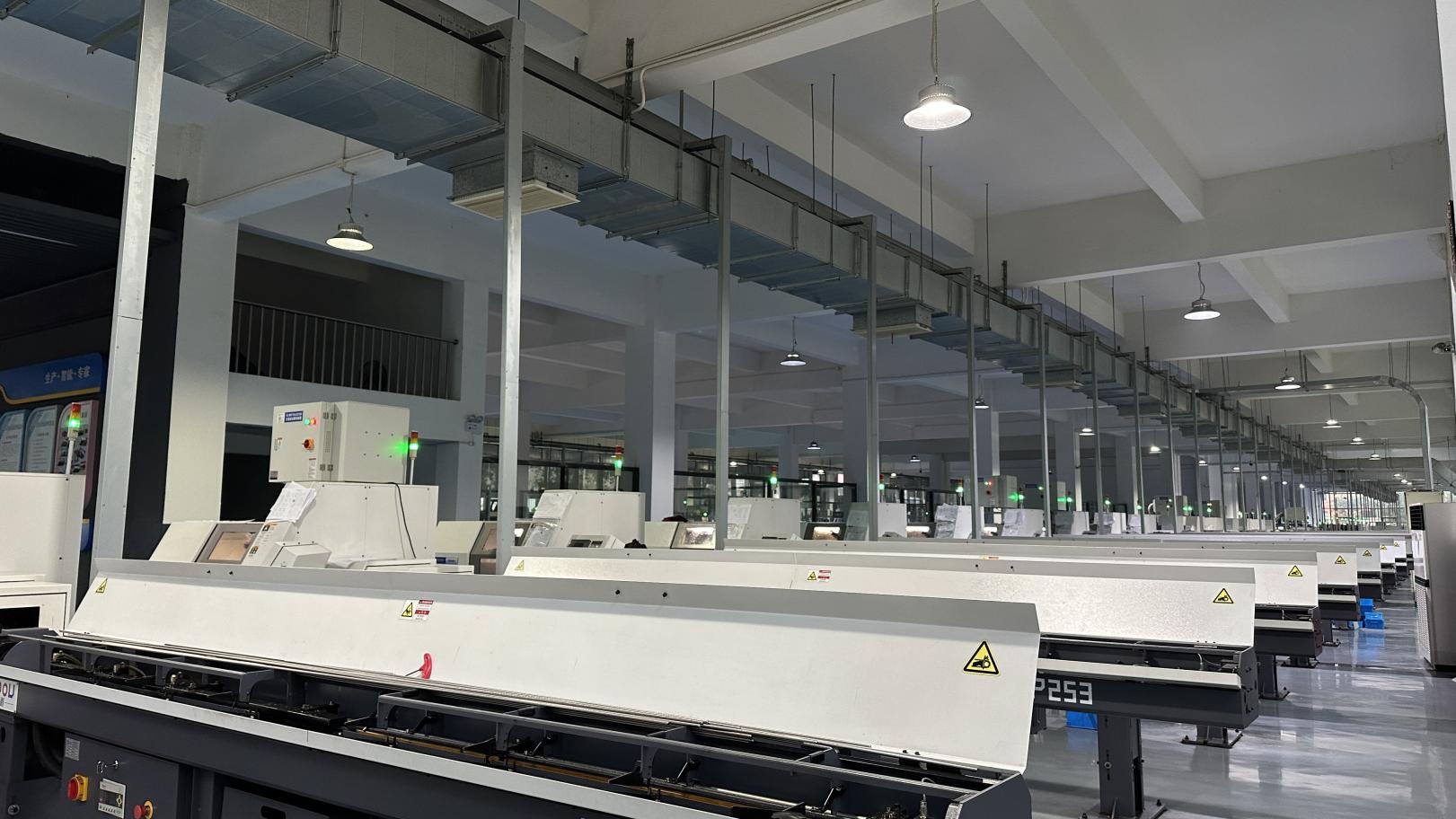
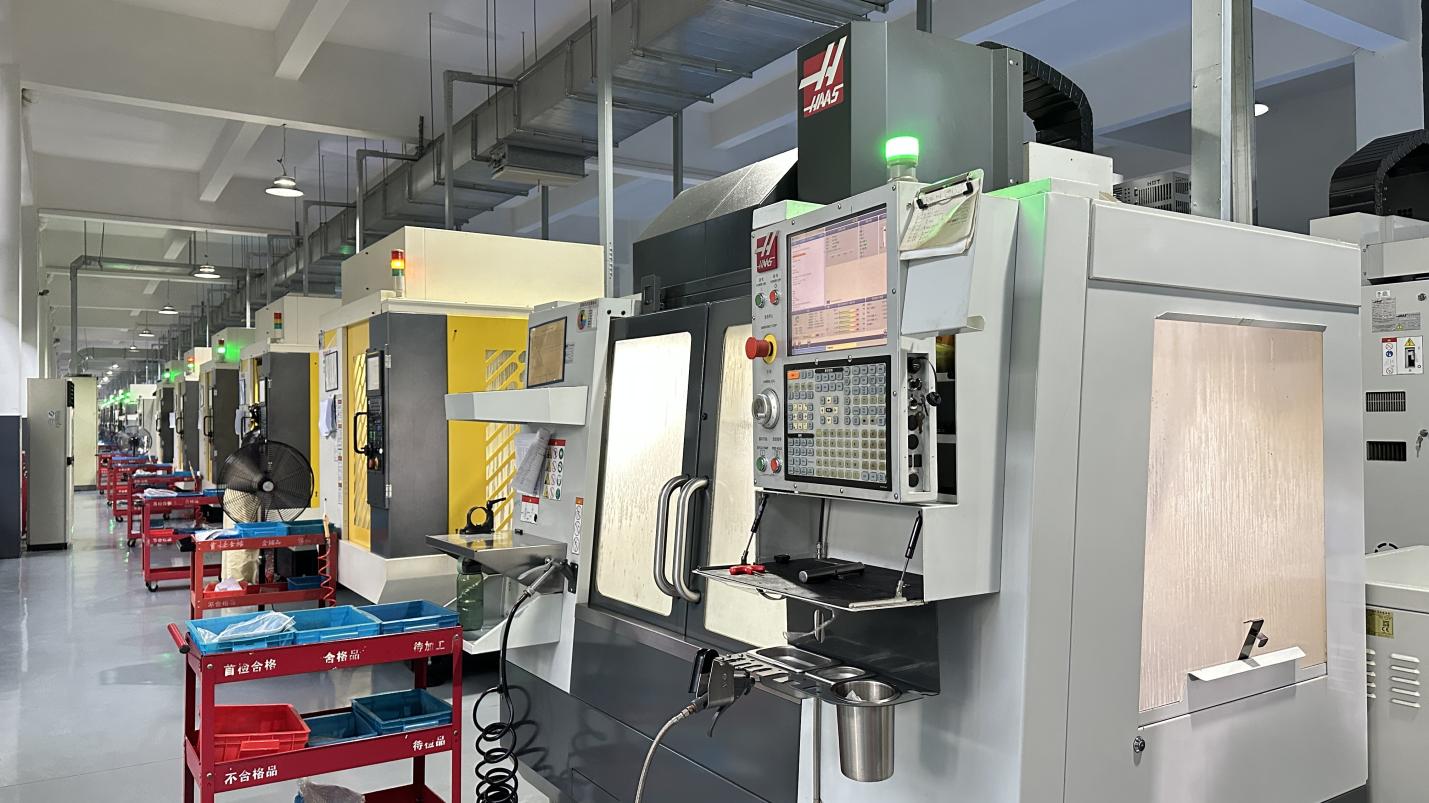
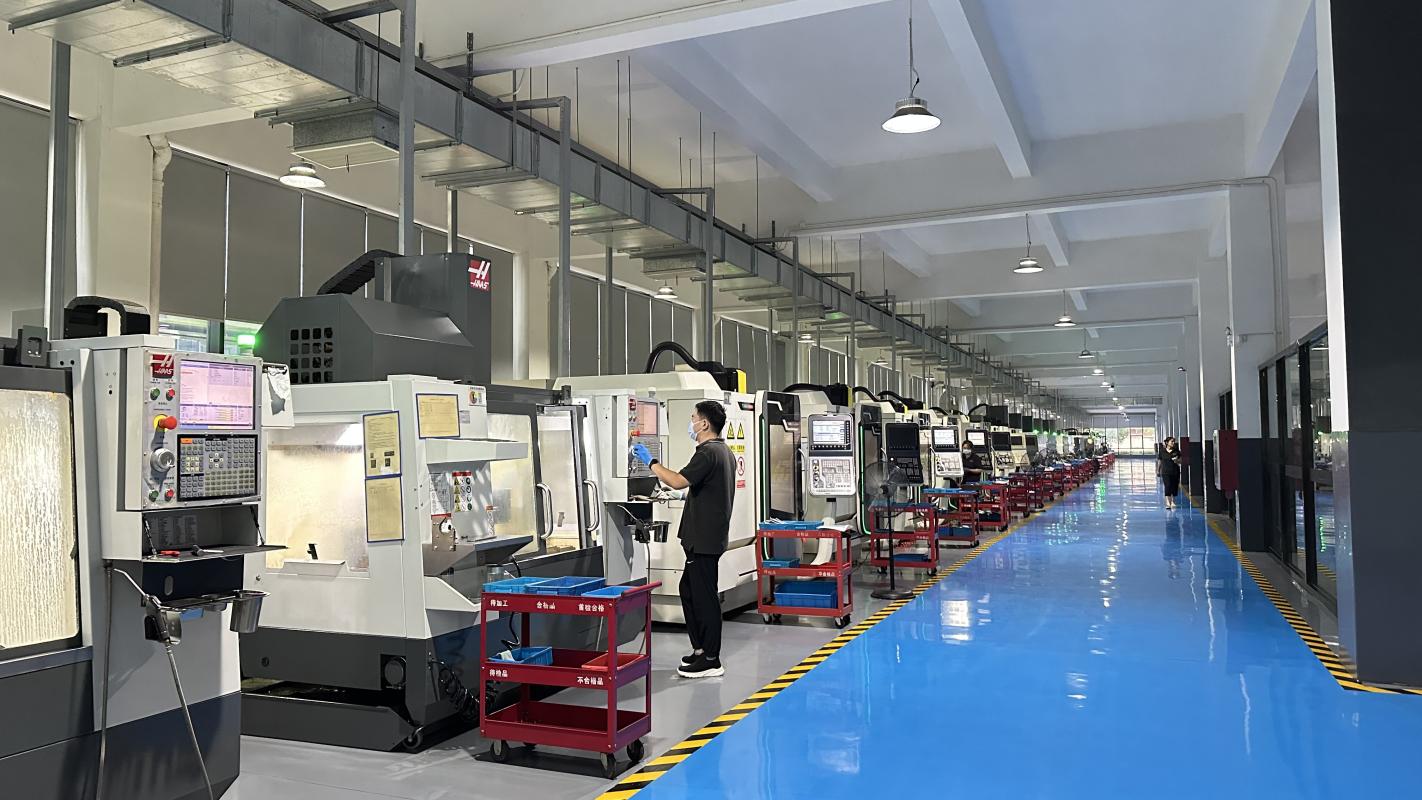
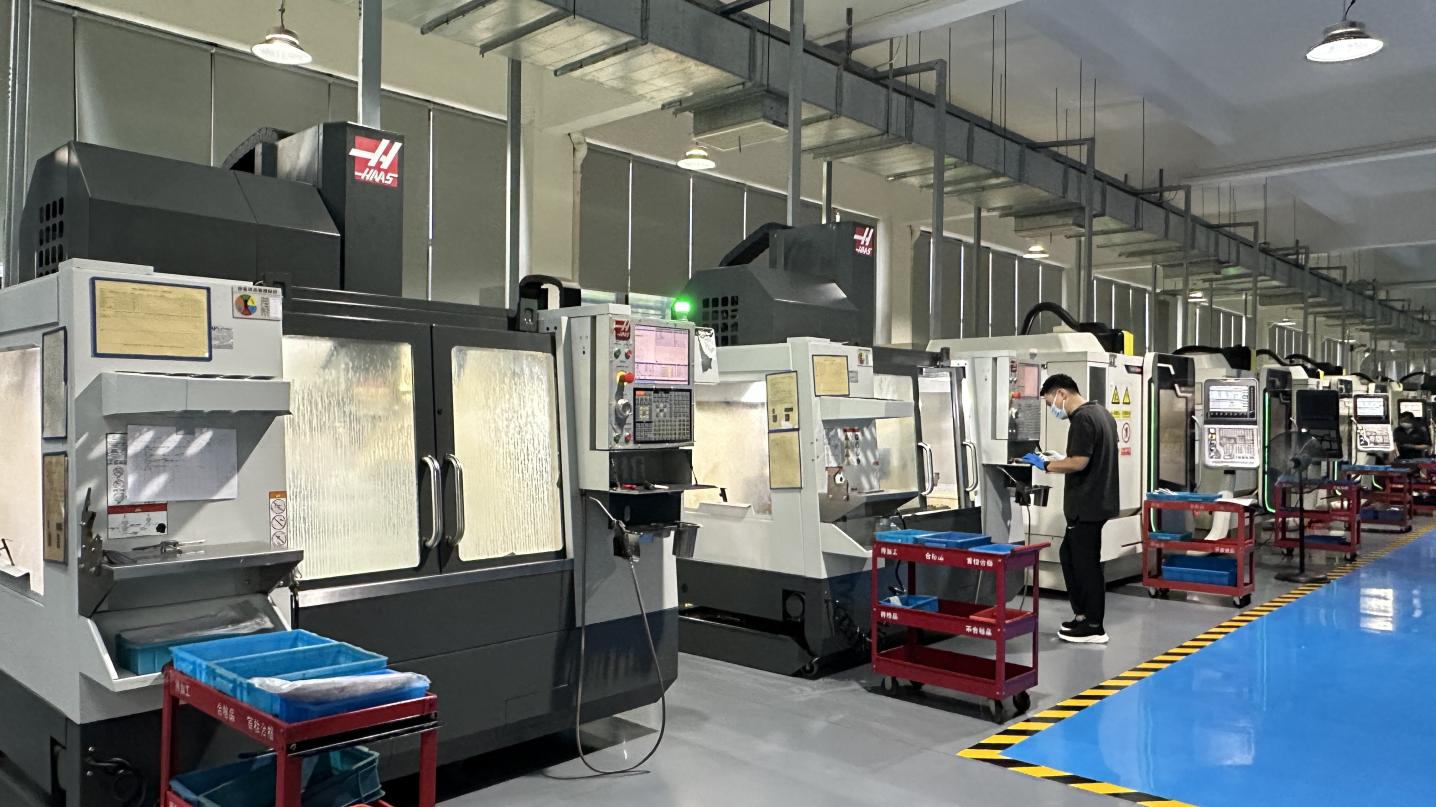
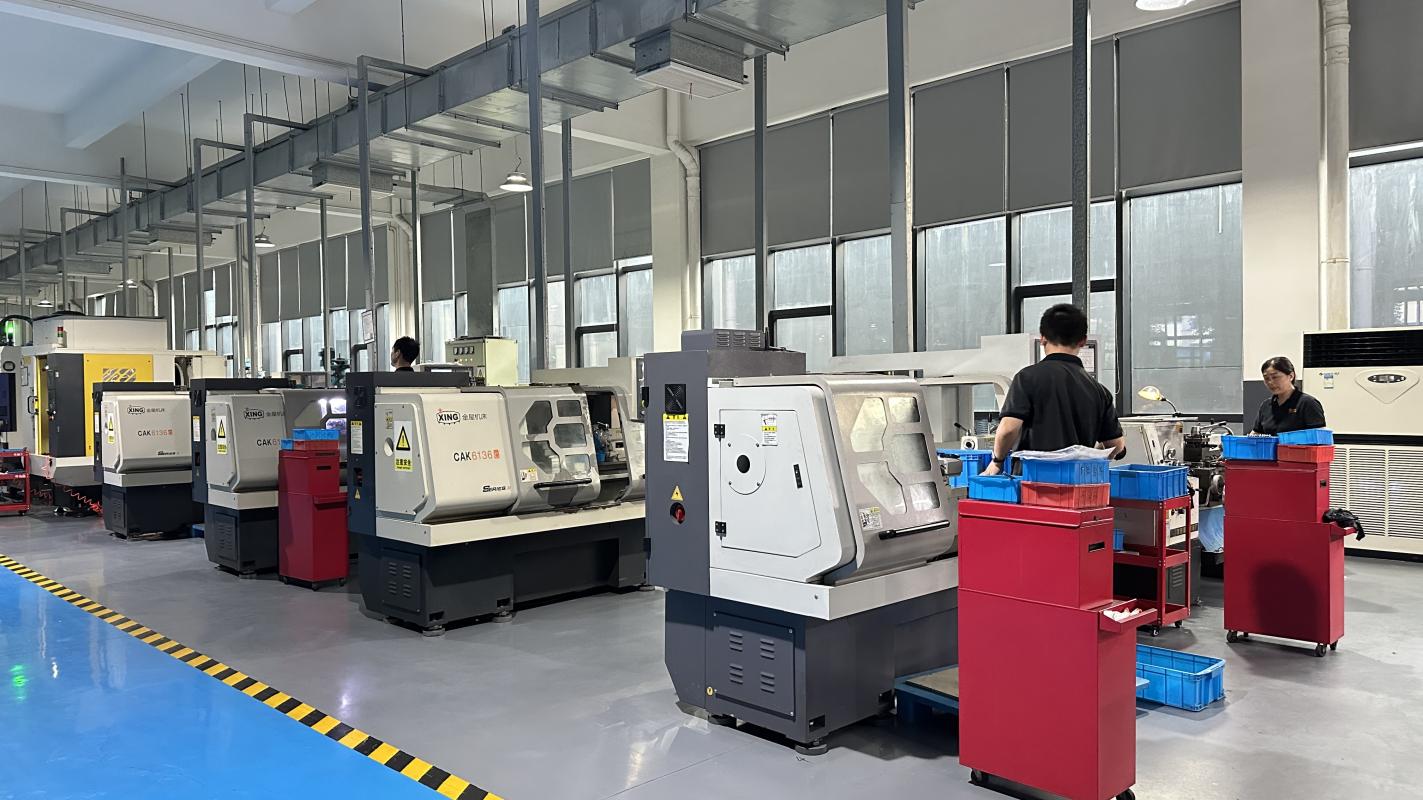
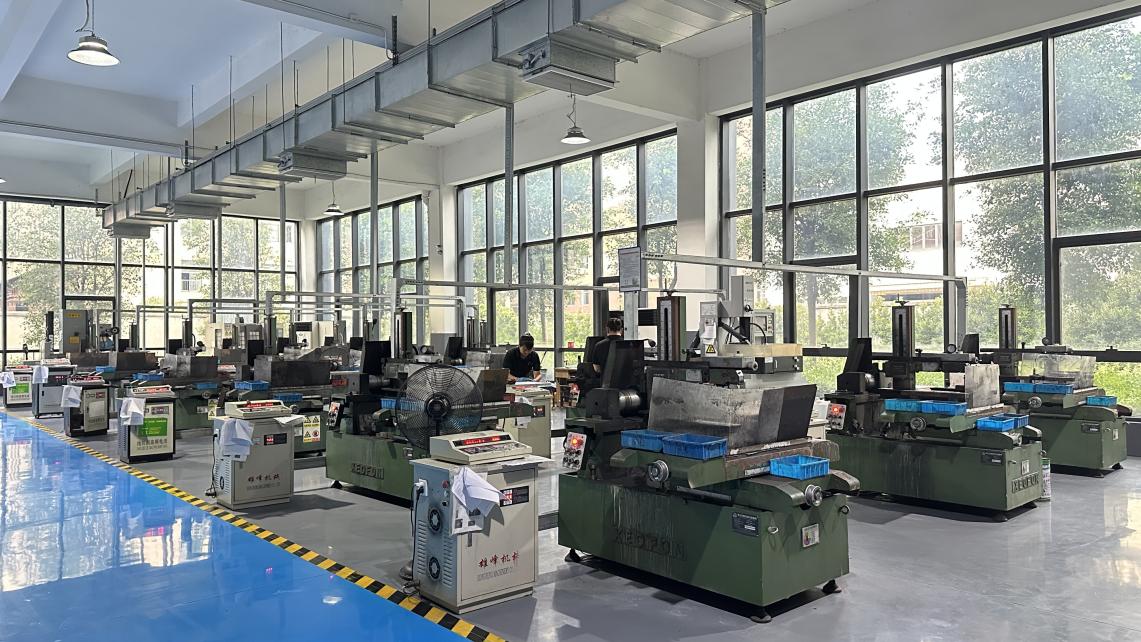
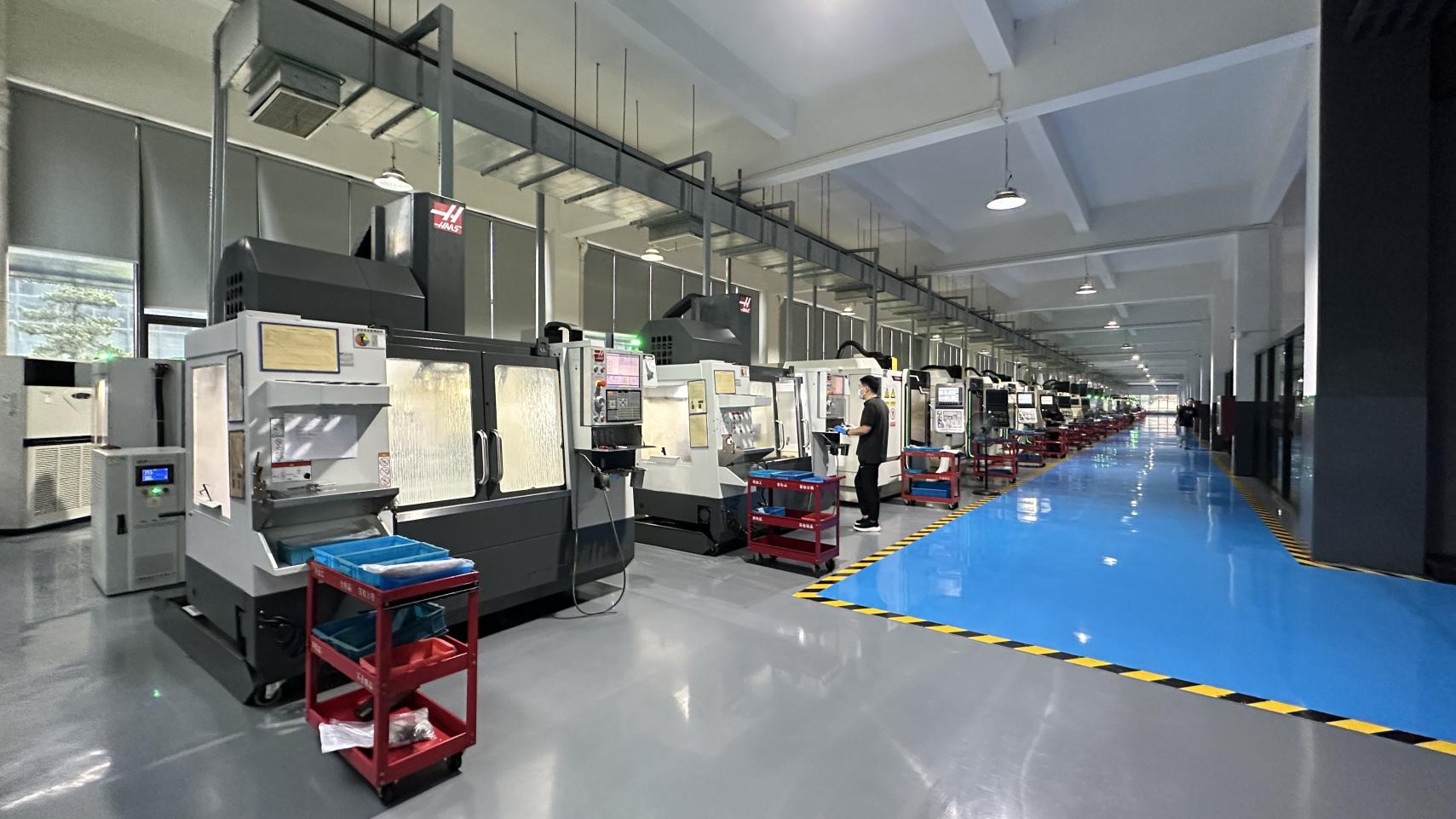
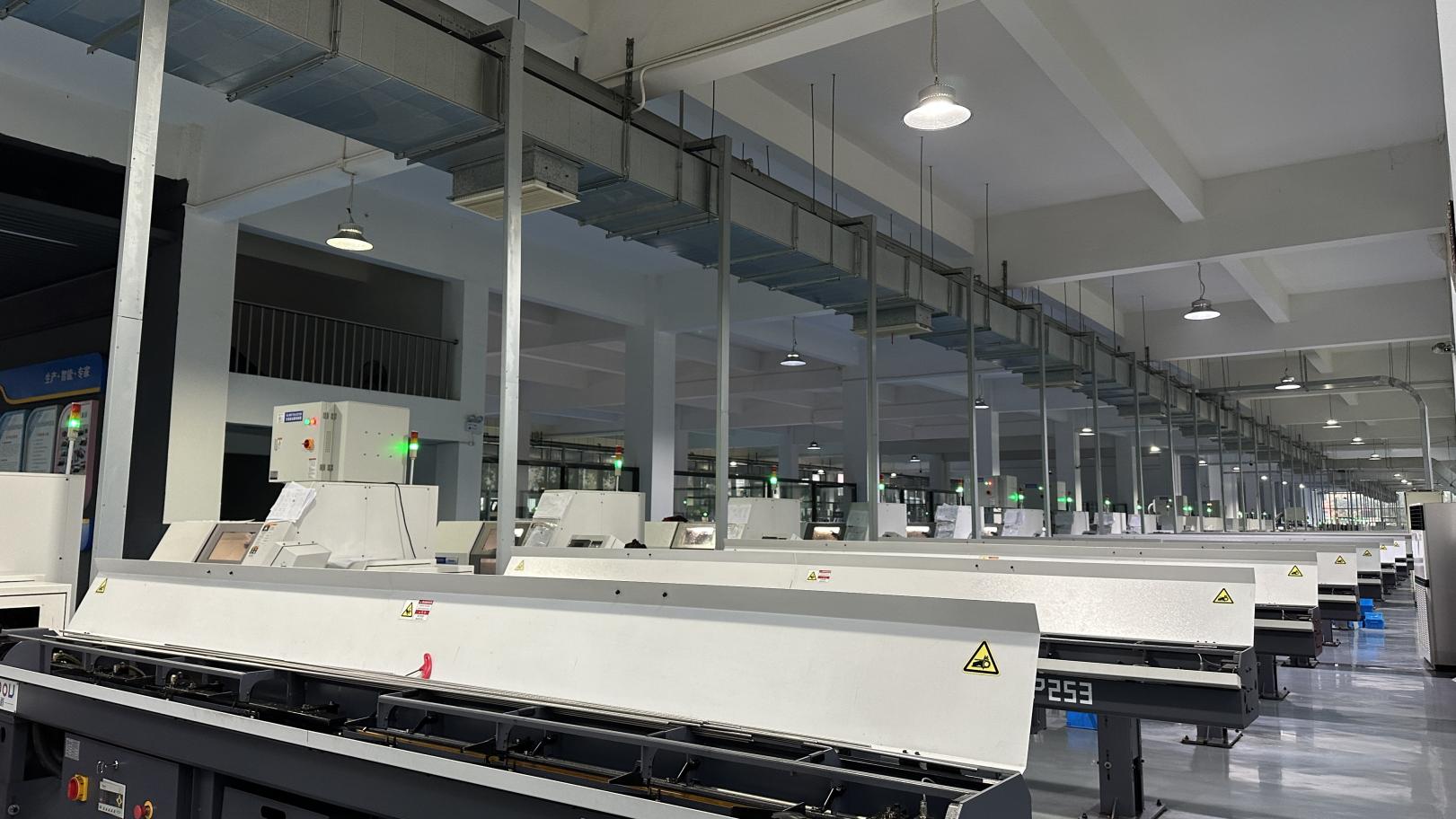
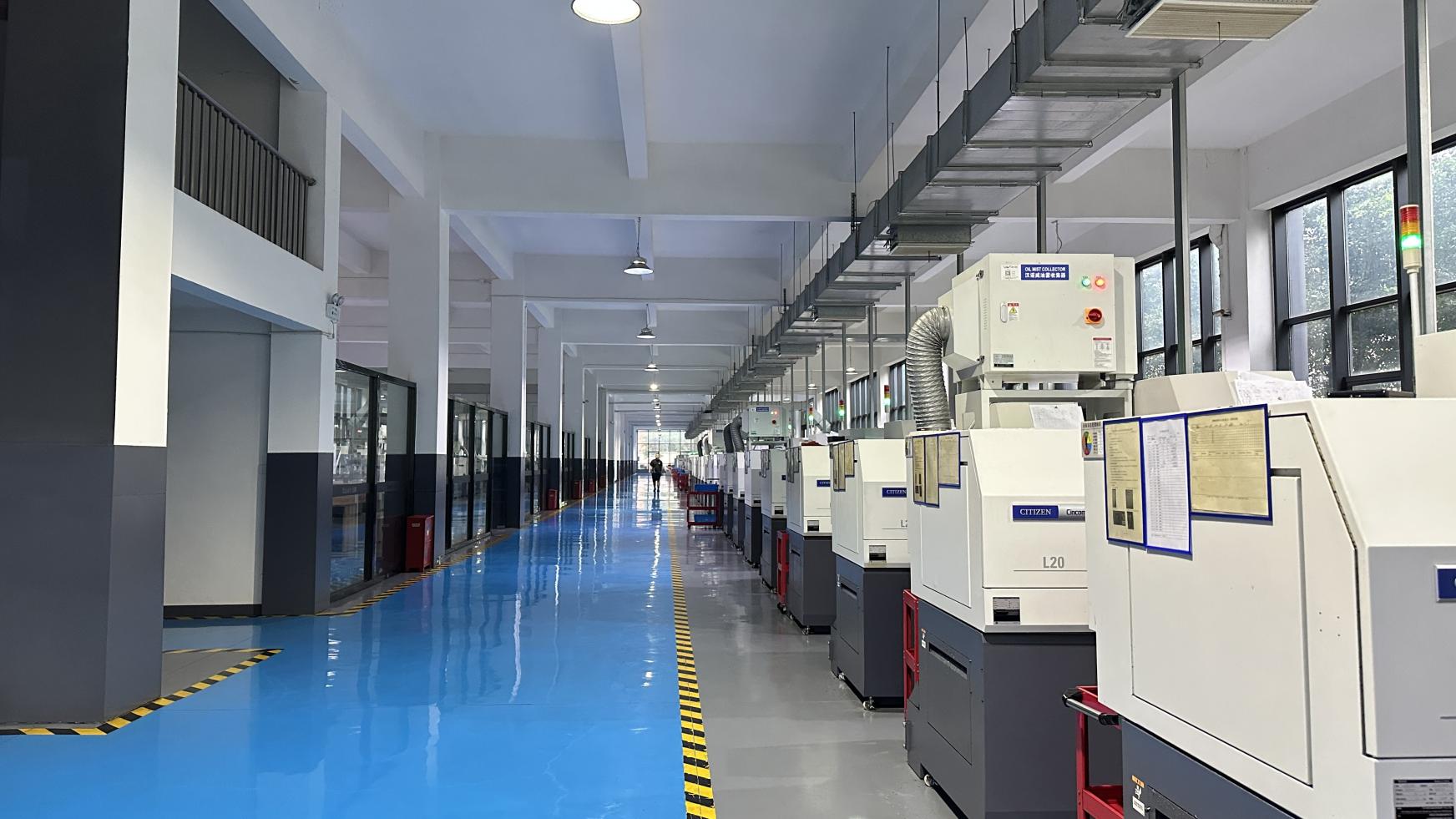
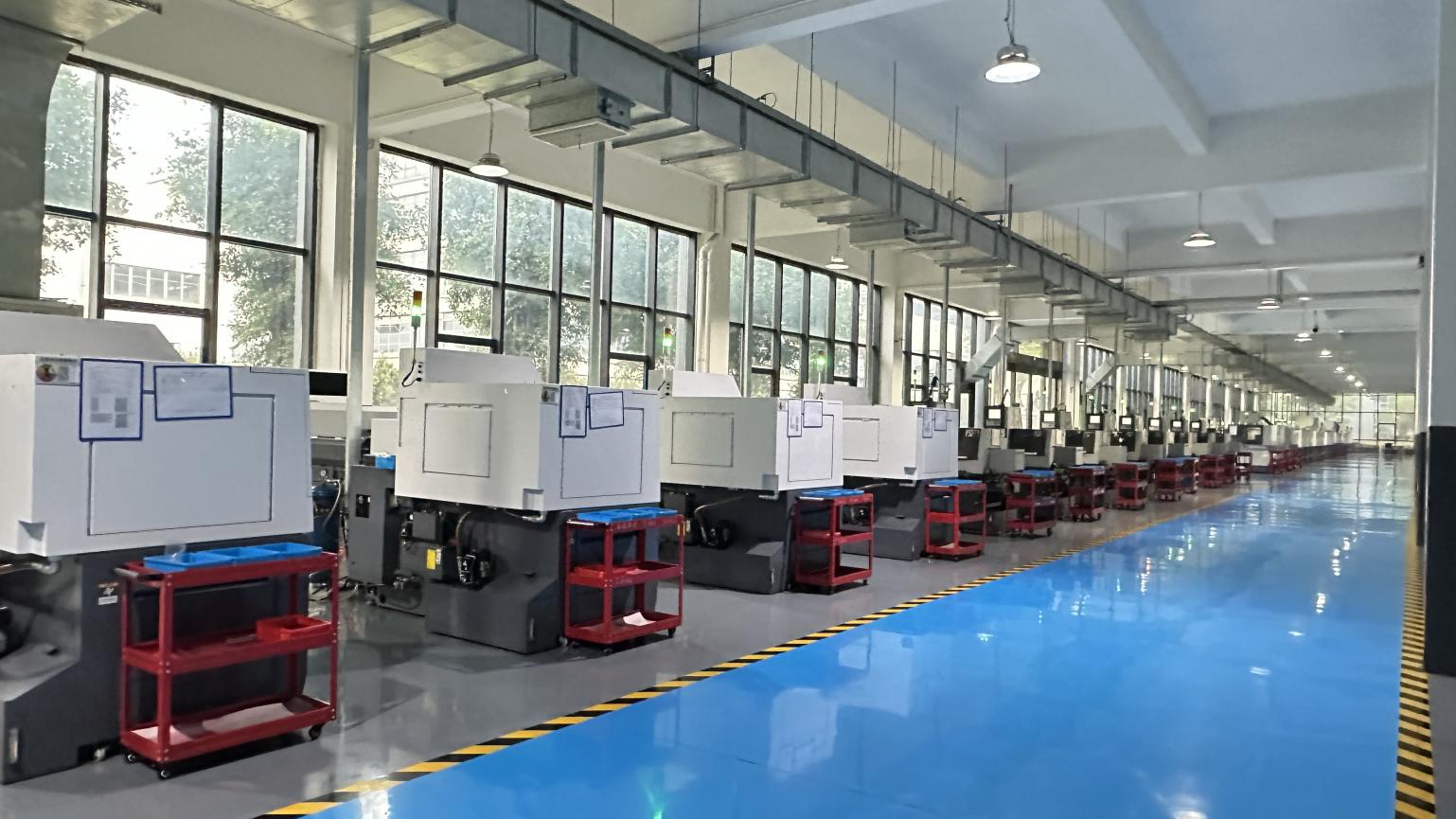
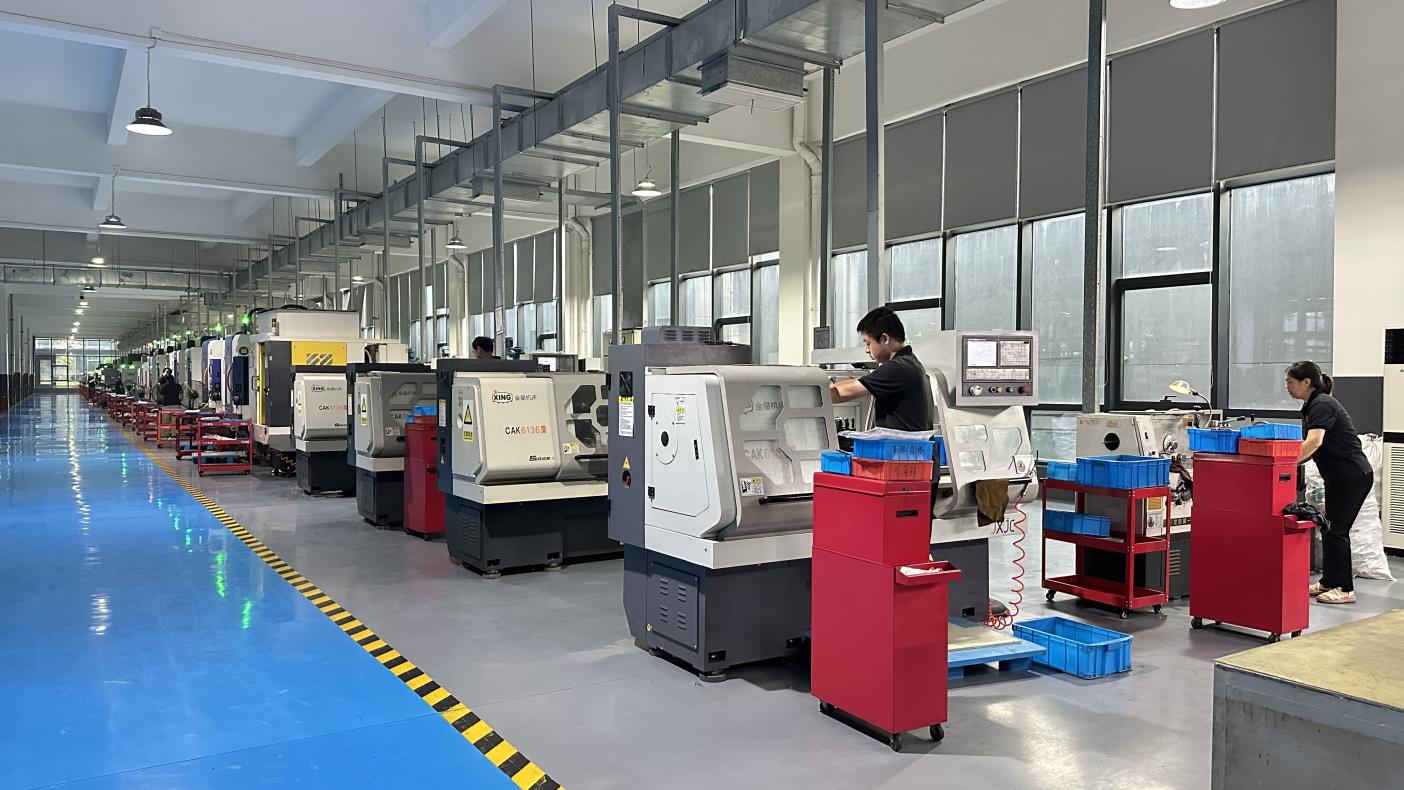
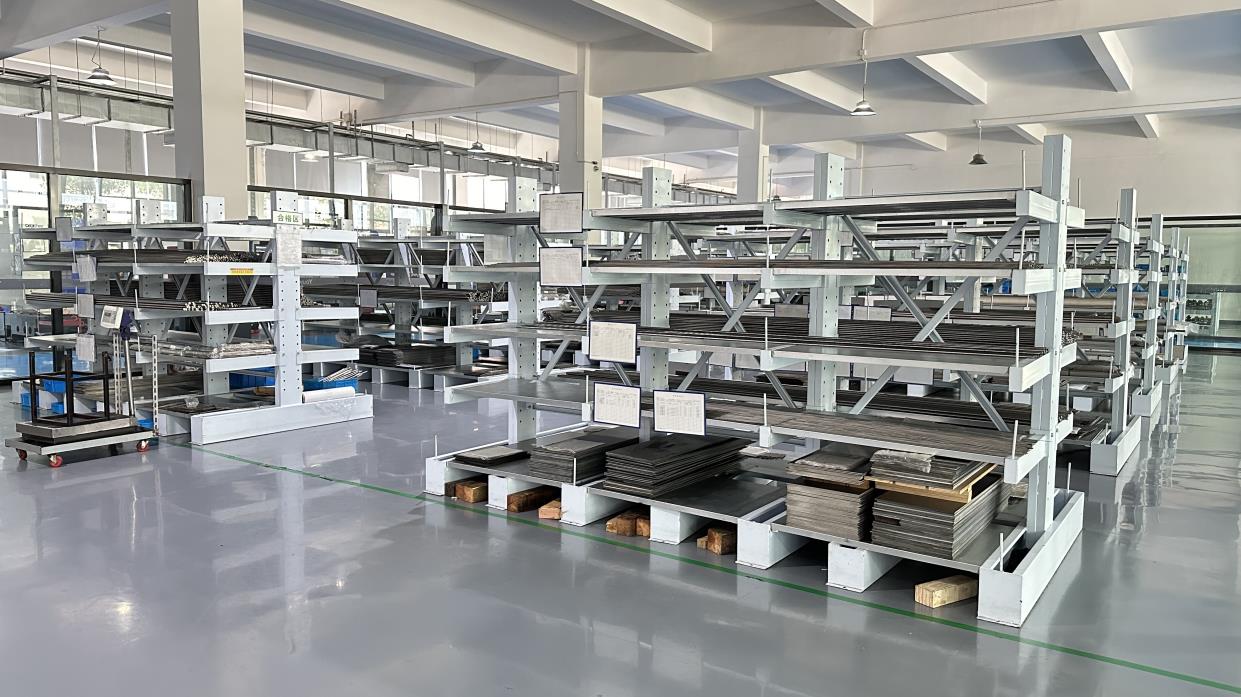
Through precision engineering, raw titanium and cobalt alloys are transformed into life-changing medical implants. Follow our raw material processing to final inspection workflow.
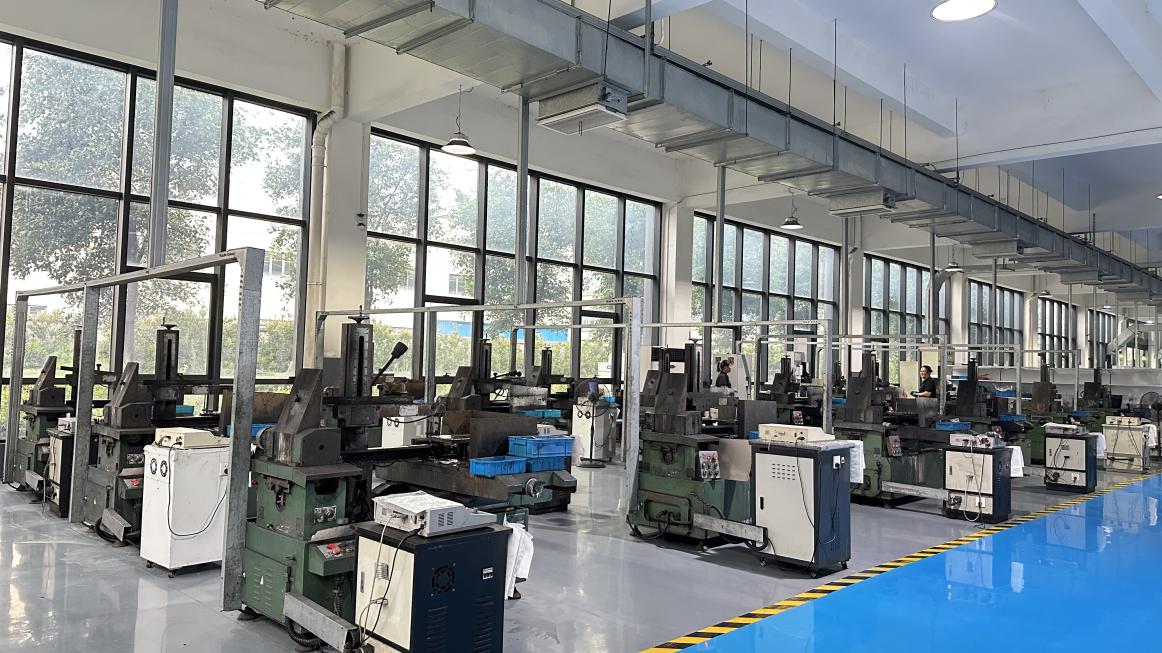
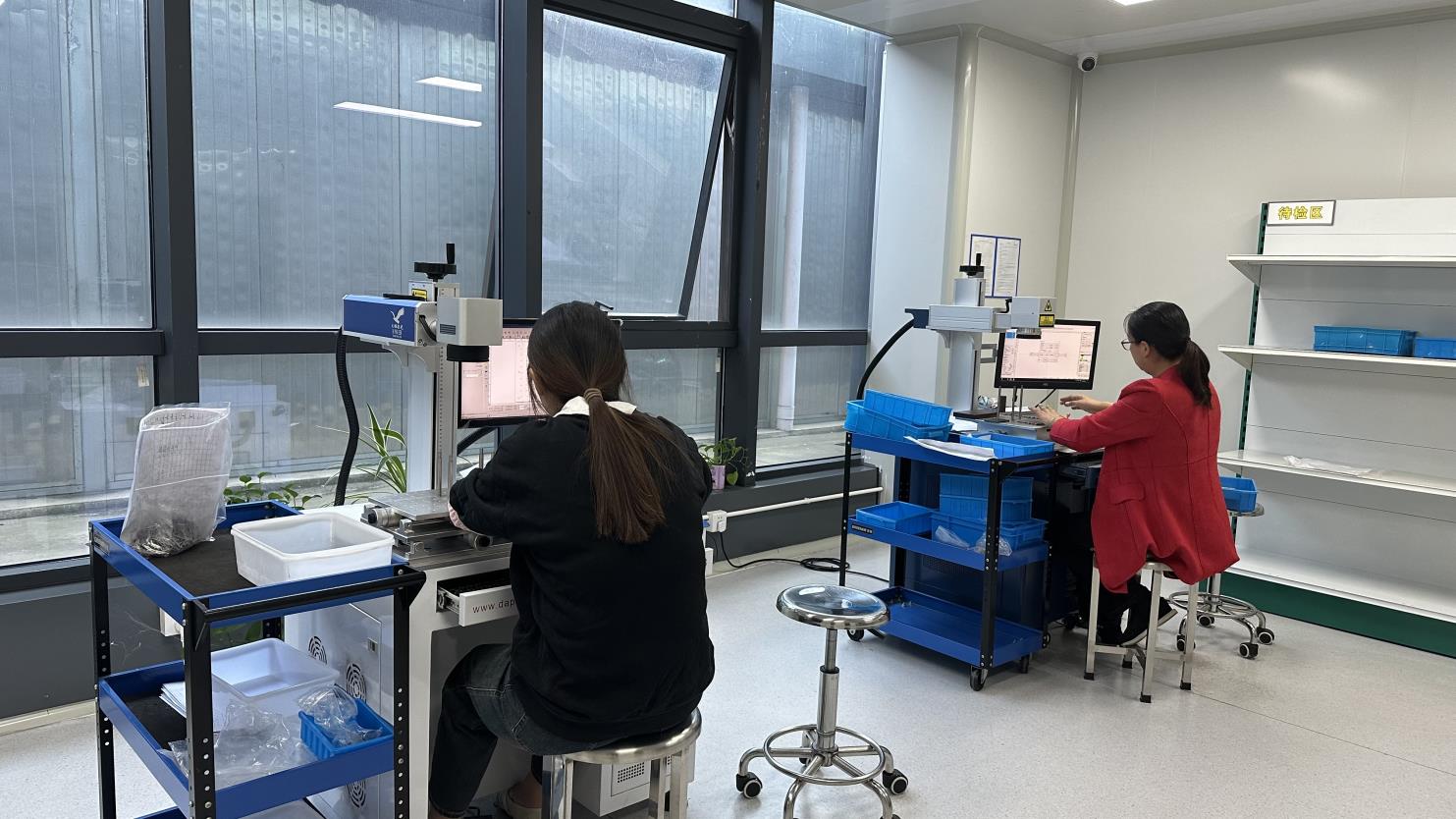
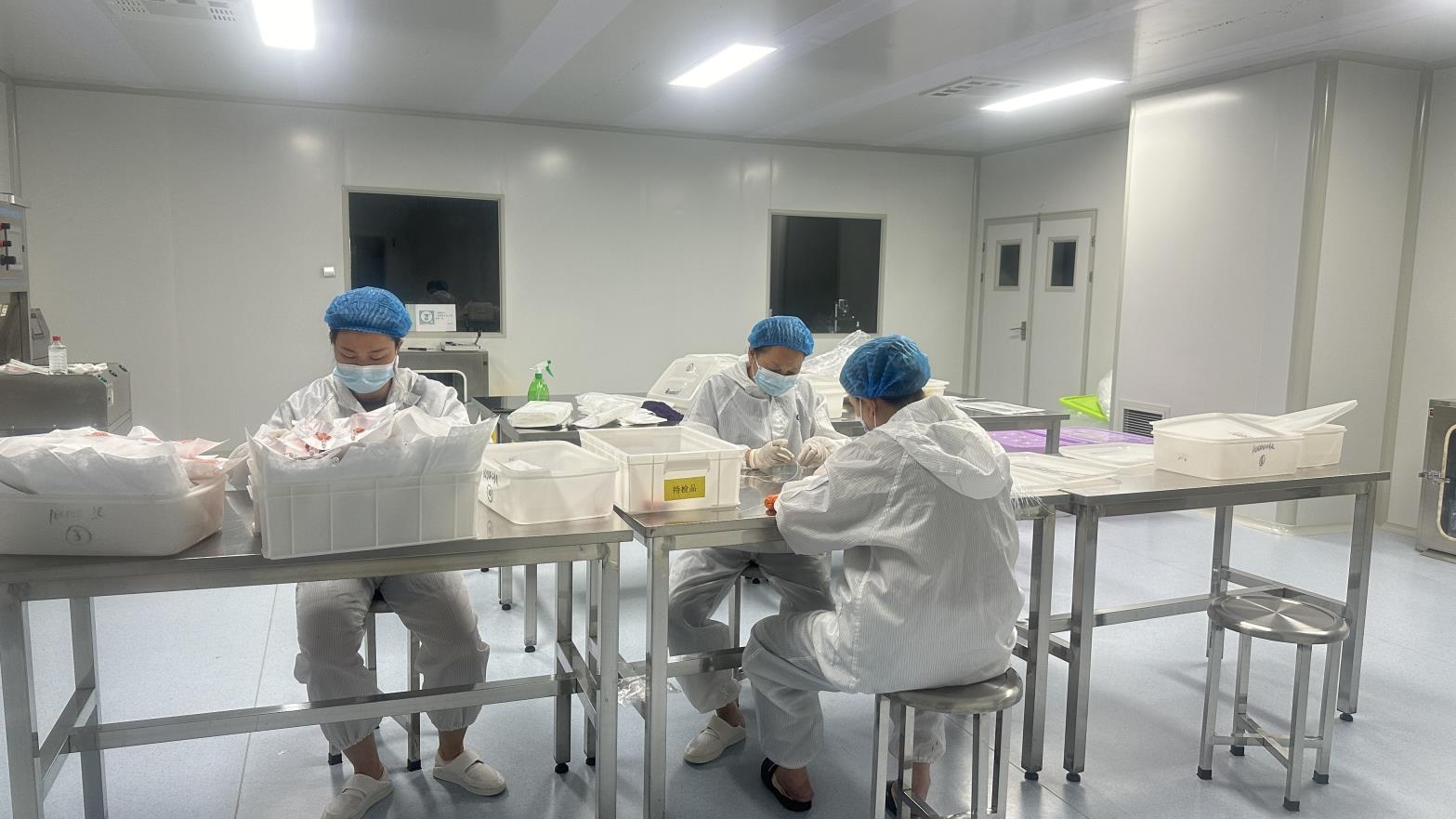

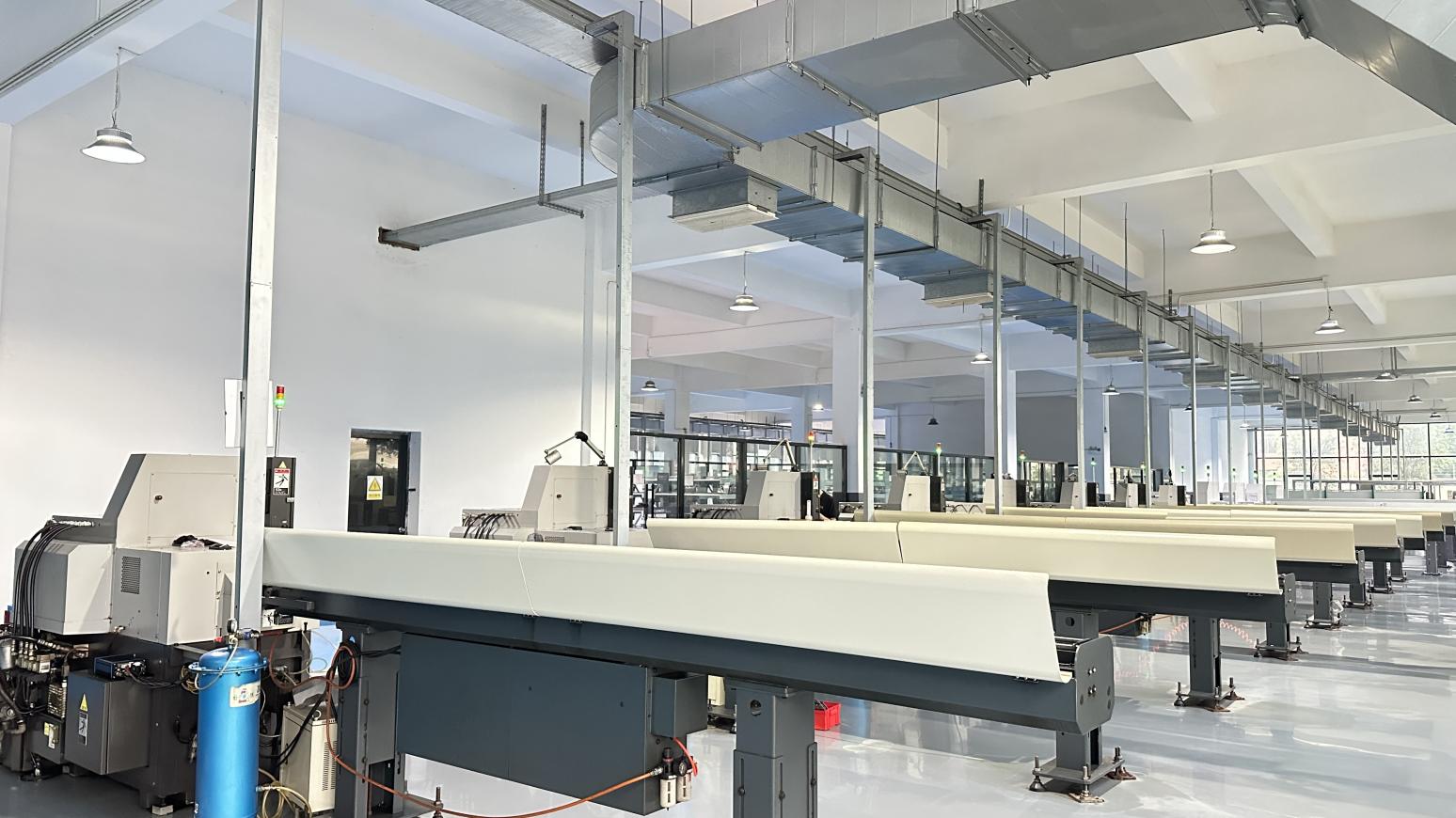
Foshan Wigivida Medical Co., Ltd. is a leading China-based manufacturer of high-quality medical consumables and devices, specializing in respiratory products, medical tubes, urology products, hypodermic and surgical consumables. With years of dedicated experience in the healthcare industry, Wigivida has built a reputation for providing reliable, safe, and innovative solutions to hospitals, clinics, and medical distributors worldwide.
The company offers a comprehensive product range, including oxygen masks, ventilator accessories, catheters, Foley catheters, hypodermic needles, syringes, surgical drapes, sterile gloves, sutures, cotton swabs, gauze rolls, IV sets, and disposable medical kits. Each product is manufactured with strict adherence to quality standards, ensuring biocompatibility, durability, and patient safety.


Wigivida Medical emphasizes innovation, research, and precision manufacturing, combining advanced production technology with a rigorous quality management system. The company also provides customized solutions to meet the specific needs of healthcare providers, supporting efficient hospital workflows and minimizing infection risks.
Guided by the principles of "quality first, service first, and customer satisfaction-driven," Foshan Wigivida Medical Co., Ltd. has earned an excellent reputation both domestically and internationally. With a professional R&D team, modern manufacturing facilities, and dedicated after-sales service, the company continues to advance the medical consumables industry, delivering safe, effective, and high-quality healthcare solutions that improve patient outcomes and support global healthcare innovation.

Traditional subtractive machining of titanium implants is progressively transitioning towards advanced 3D-printing systems. Utilizing Selective Laser Melting (SLM) and Electron Beam Melting (EBM), our R&D roadmap integrates structural porous titanium architectures. This mimics trabecular bone porosity, enhancing direct osseointegration and lowering elastic modulus. This advancement addresses critical issues like stress shielding and pedicle screw loosening, which are common in osteoporotic patients.
To optimize osteoblast differentiation and speed up fusion times, we employ surface-modification processes. Our clinical roadmap utilizes Type II anodization, acid-etching, and Plasma Spraying. These methodologies create micro- and nano-topographies on pedicle screws and rods. Anodization increases fatigue resistance and minimizes galvanic corrosion when connecting components made of differing titanium grades or cobalt-chromium alloys.
Modern spinal instrumentation depends heavily on precise pedicle screw placement to avoid neurological and vascular injuries. We actively develop screw heads compatible with global surgical navigation arrays and robotic guides. These designs include low-profile, high-visibility registration points on instrumentation templates. This ensures compatibility with intraoperative CT and real-time computer-assisted tracking platforms.
 Wigivida Medical