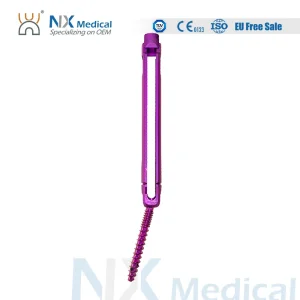
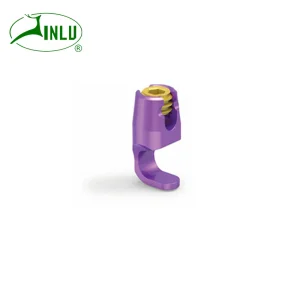
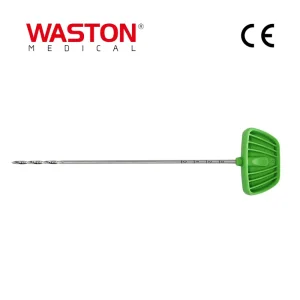
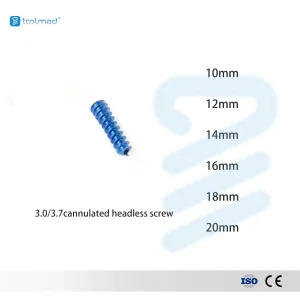
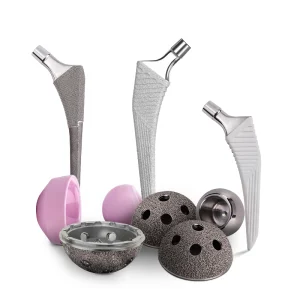
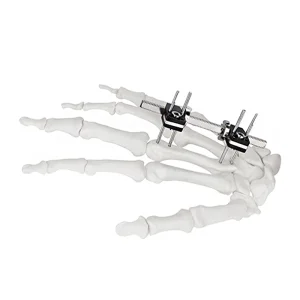
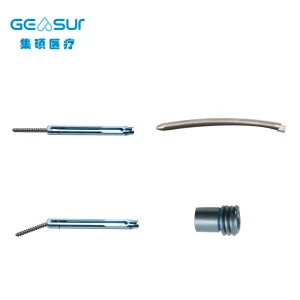
Explore our top-tier orthopedic implants, spinal systems, and trauma fixation devices engineered for superior biocompatibility and anatomical alignment.
Within orthopedic reconstructive surgery, particularly Anterior Cruciate Ligament (ACL) and Posterior Cruciate Ligament (PCL) reconstructions, the securing mechanism is as crucial as the graft itself. The evolution of **interference screws** has moved rapidly from inert metals (such as Titanium) to biocompatible and bioabsorbable polymers.
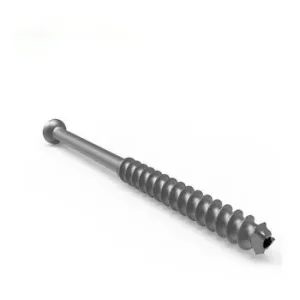
A bio-interference screw is designed to provide high initial mechanical fixation strength, locking the soft tissue or bone-tendon-bone graft within the femoral or tibial bone tunnels. Over a defined physiological period, the screw undergoes hydrolysis, safely degrading into natural lactic acid byproducts that the body metabolizes, leaving behind remodeled bone tissue. This eliminates the classic complications associated with metal implants—such as permanent MRI artifacts, graft lacerations, and the necessity of secondary removal surgeries.
Modern clinical guidelines highlight the significance of **poly-L-lactic acid (PLLA)**, **poly-D,L-lactic acid (PDLLA)**, and **tricalcium phosphate (TCP)** or **hydroxyapatite (HA)** biocomposites. Sourcing these high-precision components requires deep supply-chain inspection to ensure raw materials meet strict ISO and ASTM standards for molecular weight, crystallinity, and degradation profiles.

A strategic analysis of the market leaders defining the standards of sports medicine implants, bio-resorbable materials, and OEM capabilities.
An undisputed global leader in sports medicine orthopedics. Arthrex pioneered the Bio-Interference Screw line with proprietary materials like PLLA and PLDLA, engineered to optimize biocompatibility and pull-out resistance. Their patented driver geometries minimize head stripping during insertion.
Known for their BioSure and Biosure HA interference screw lines. By incorporating hydroxyapatite (HA), Smith & Nephew provides excellent osteoconduction capabilities, fostering bone growth into the screw site during degradation. Their products target ACL reconstruction with clinical efficiency.
Mitek Sports Medicine, under DePuy Synthes, delivers highly engineered bioabsorbable screw systems. Their products feature specialized thread designs to prevent graft damage while ensuring rigid fixation, backed by massive global clinical datasets.
Stryker's sports medicine division offers bio-interference screws with composite materials that balance absorption rate with the healing cycle. Their products integrate seamlessly with Stryker instrumentation, optimizing the surgeon's operational experience.
ConMed's bioabsorbable line focuses on ease of insertion and robust structural stability. Offering self-tapping thread geometries, their screws are highly valued for reducing procedure times in arthroscopic ACL reconstructions.
Wigivida Medical is a premium Chinese manufacturer of medical consumables and devices, specializing in highly regulated medical-grade polymer applications. Combining cleanroom operations, advanced injection moulding capabilities, and a robust quality system, Wigivida serves as a key contract manufacturer and raw material processor for global orthopedic brands requiring high biocompatibility and ISO-compliant standards.
A powerhouse in joint reconstruction, their sports medicine portfolio provides high-end bio-interference solutions featuring composite polymers. Zimmer Biomet focuses heavily on long-term clinical trial validation, offering superb predictability of absorption.
Focuses entirely on specialized arthroscopic instrumentation and implants. Their bio-absorbable screws are widely recognized for their structural integrity and customized thread pitches adapted to varying bone densities.
A pioneer in bioresorbable metal and polymer implants. Bioretec develops cutting-edge bio-active and bioabsorbable materials, including magnesium-alloy options and advanced polymer composites that accelerate bone healing in trauma and sports medicine.
Although predominantly focused on spine and neuro-navigation systems, Medtronic's trauma and orthopedic solutions group features advanced polymer bioabsorbable fixation systems, utilizing their advanced biomaterial R&D and massive global supply infrastructure.

China has transitioned from a high-volume manufacturing center to an advanced, high-precision biomedical hub. When sourcing bio-interference screws, global medical device brands leverage several key advantages from Chinese facilities:
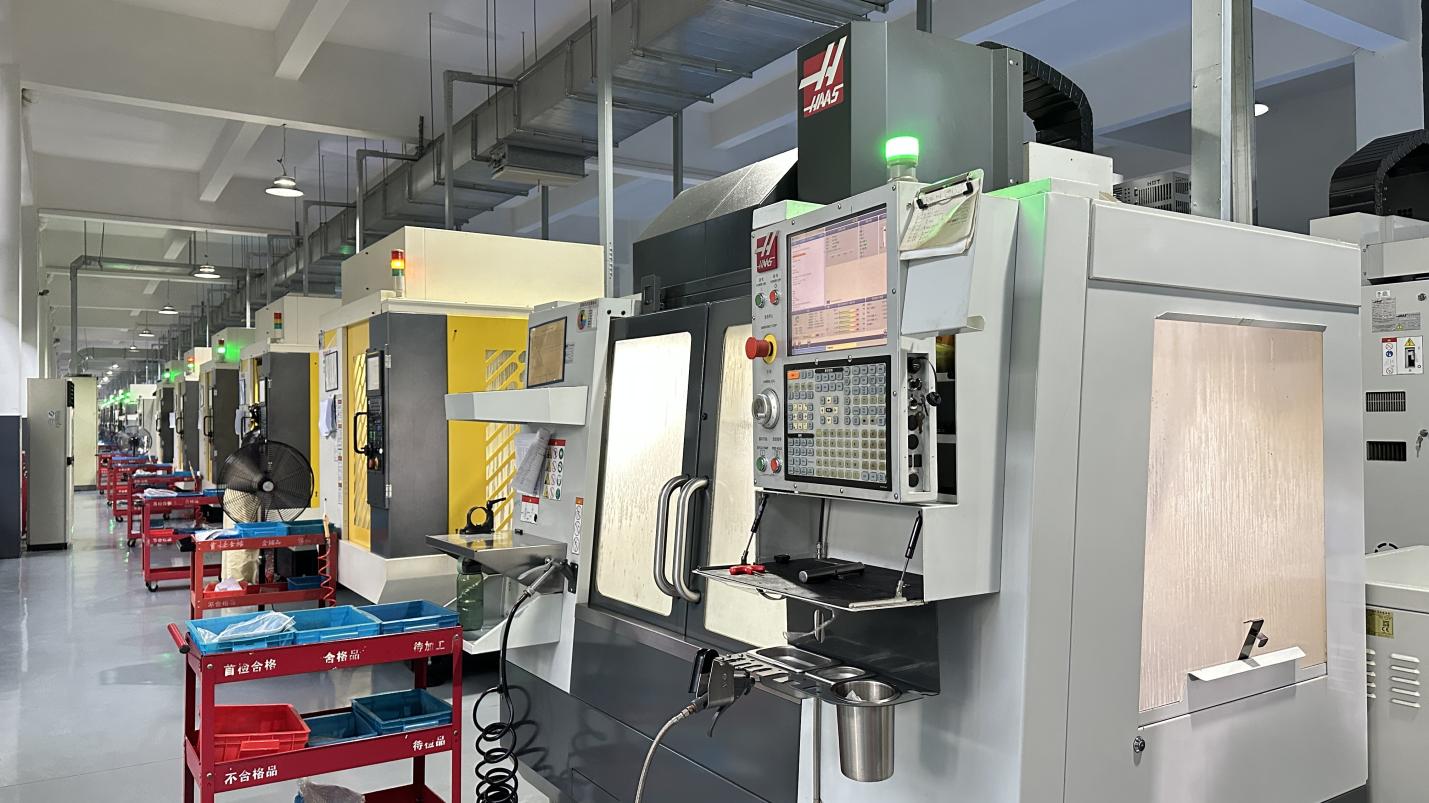
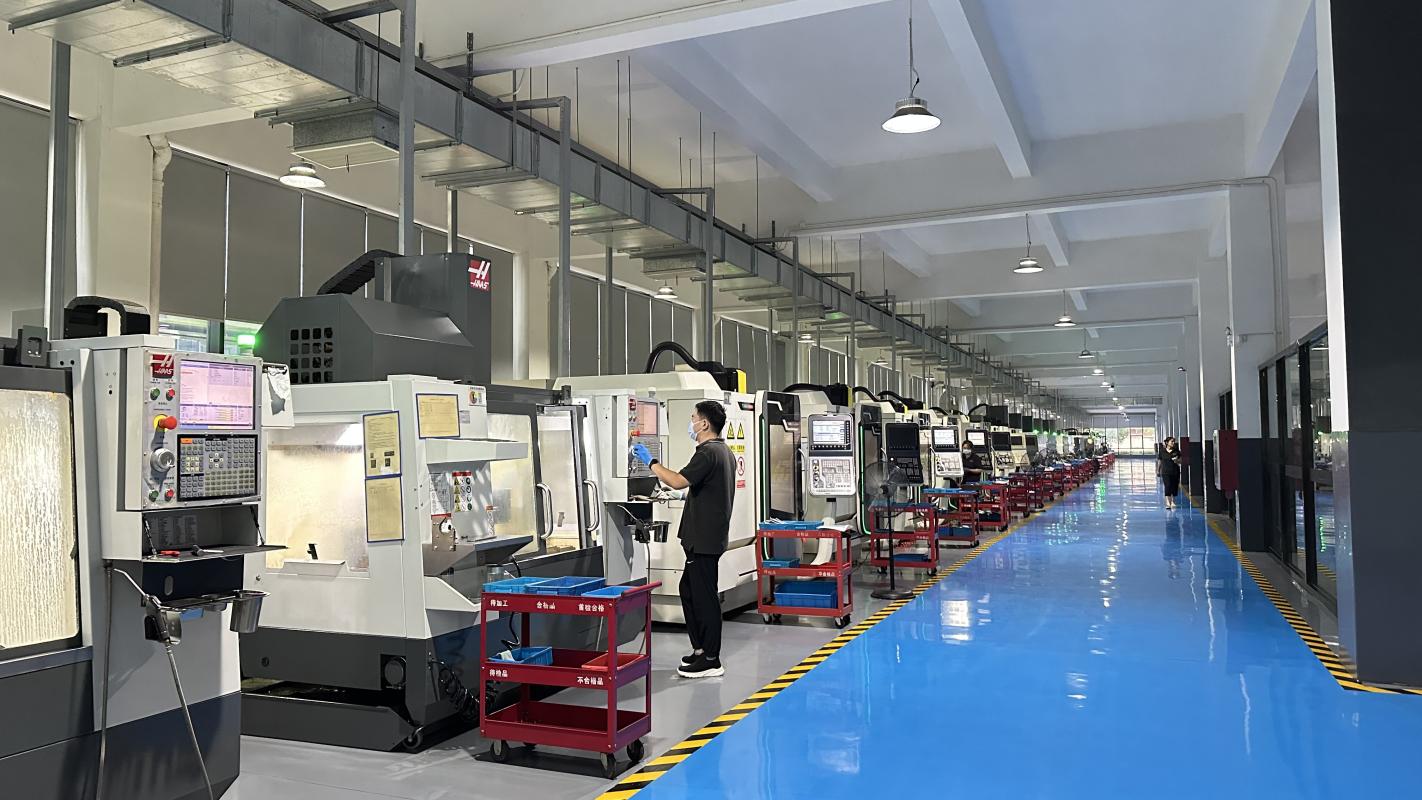
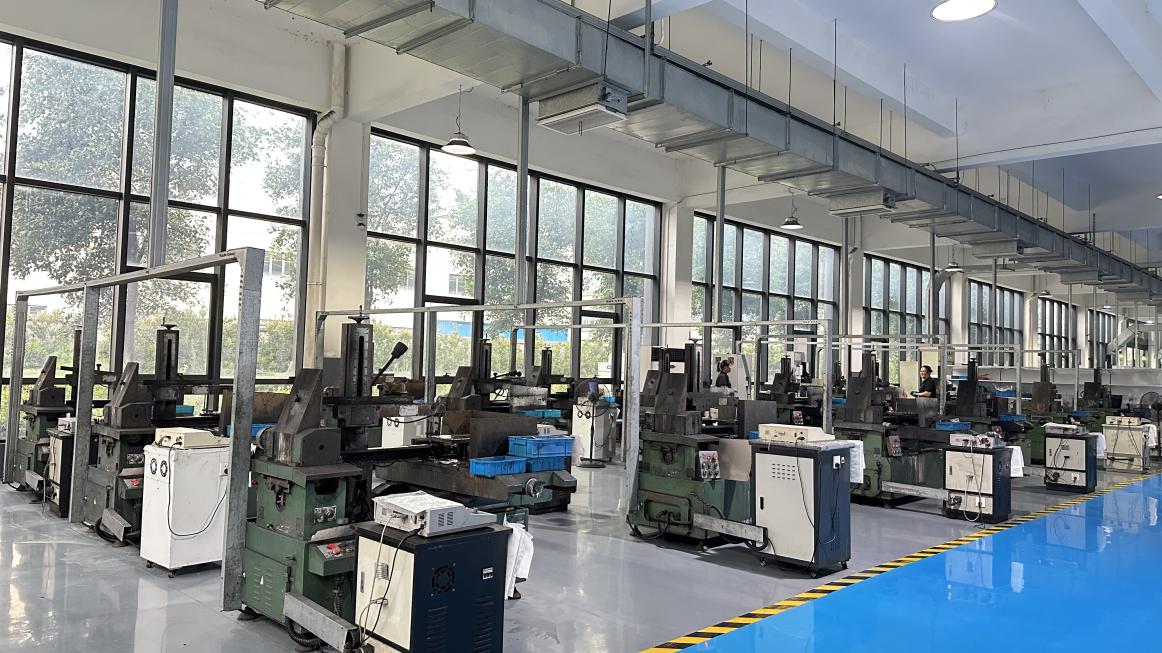
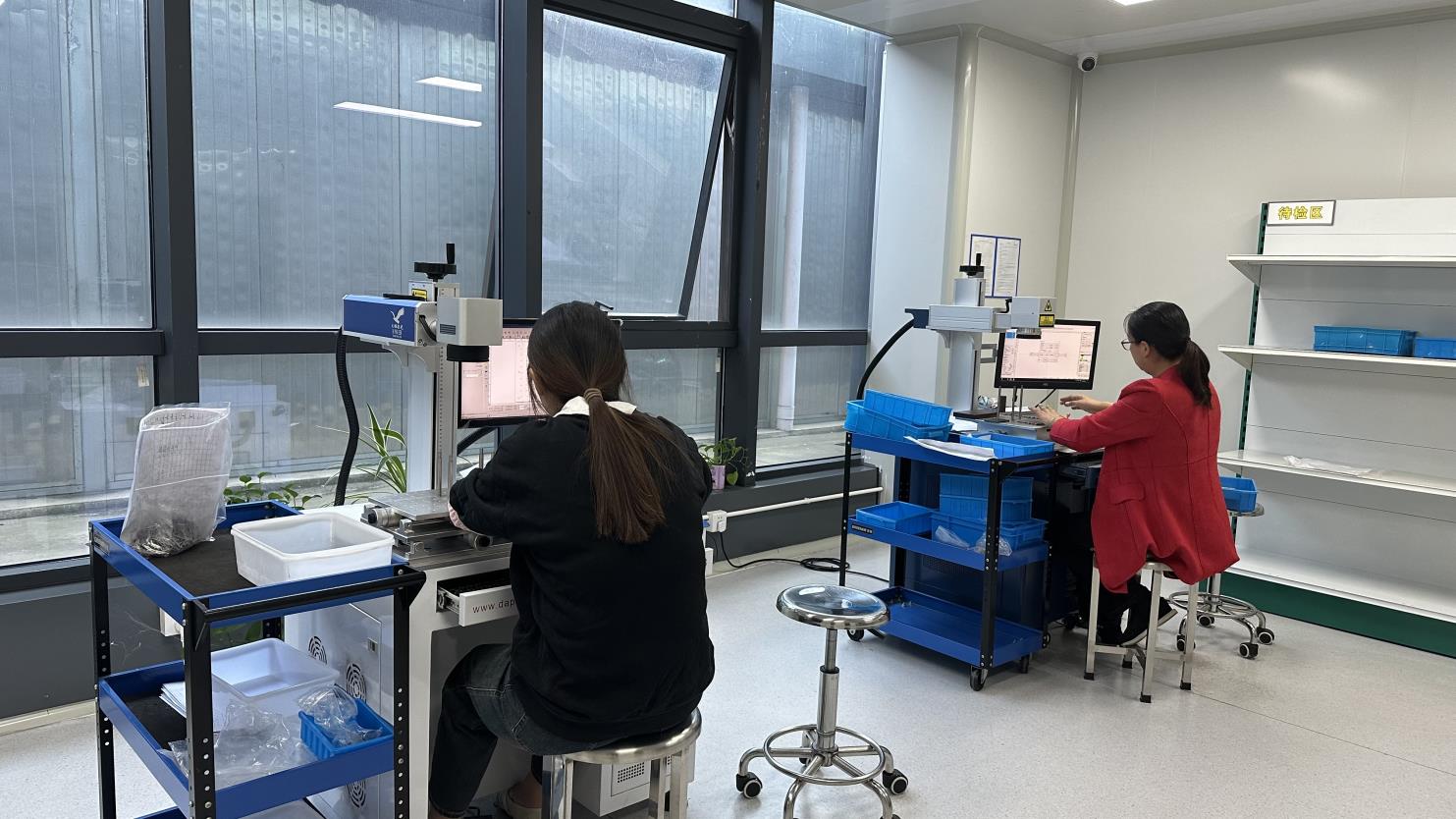
Witness the step-by-step manufacturing cycle of medical-grade implants and clinical consumables under strict quality control.

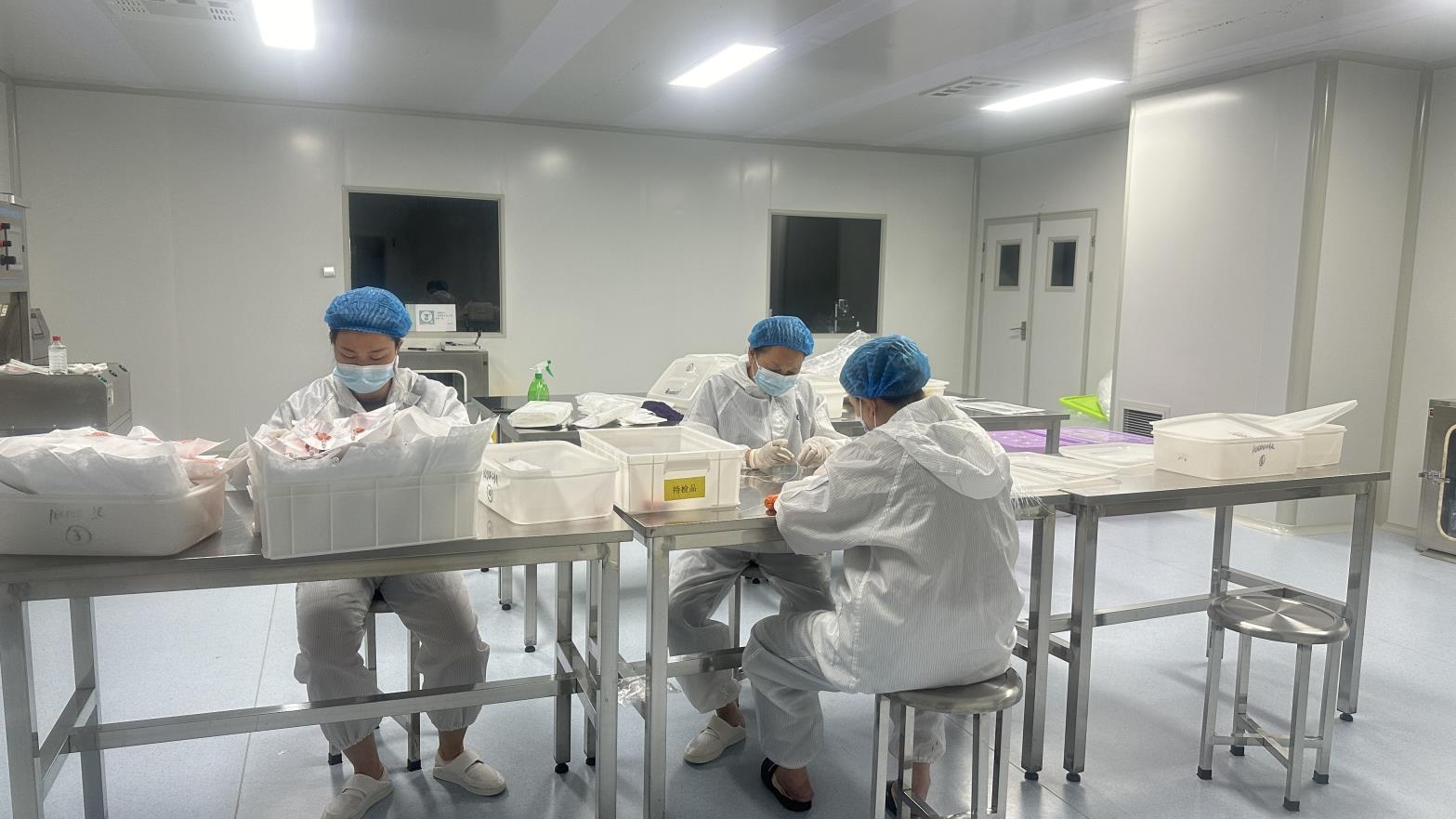

As the orthopedics sector expands, the demand for smart, bioactive fixations continues to grow. Here are the key technological advancements shaping bio-interference screw development:
Pure polymers like PLLA tend to degrade into acidic monomers that can trigger localized inflammatory responses. Incorporating osteoconductive minerals like Hydroxyapatite (HA) or Beta-Tricalcium Phosphate (β-TCP) buffers the local pH, limits aseptic swelling, and provides a scaffold that actively recruits osteoblasts for faster bone repair.
Traditional hex drives are prone to deformation during insertion in dense cortical bone. Modern bio-interference screws use star-shaped (Torx) or trilobe driver connections. This optimizes torque transmission, preventing implant breakage and ensuring clean, straightforward insertion.
Different repair indications require targeted degradation windows. Anterior cruciate ligament (ACL) grafts take roughly 8 to 12 weeks to achieve biological integration within bone tunnels. Current manufacturers fine-tune polymer molecular weights to maintain structural strength during this window, before safely breaking down over the subsequent 12 to 24 months.
Global procurement teams must balance unit costs, production reliability, and regulatory compliance. Use this framework when validating potential bio-interference screw suppliers:
| Evaluation Parameter | Critical Standard Requirement | Why It Matters |
|---|---|---|
| ISO Certifications | ISO 13485 (Medical Devices) | Guarantees full process traceabilty from raw polymer to patient delivery. |
| Cleanroom Standards | Class 100,000 / Class 10,000 (ISO 8 / ISO 7) | Prevents bioburden accumulation and endotoxin reactions in bone tissue. |
| Sterilization Support | Ethylene Oxide (EO) gas or Gamma Irradiation validation | Ensures a Sterility Assurance Level (SAL) of 10^-6 for surgical safety. |
| Material Traceability | FDA-cleared polymers (PLLA, PLDLA, PEEK) | Guarantees predictable degradation timelines and avoids implant toxicity. |
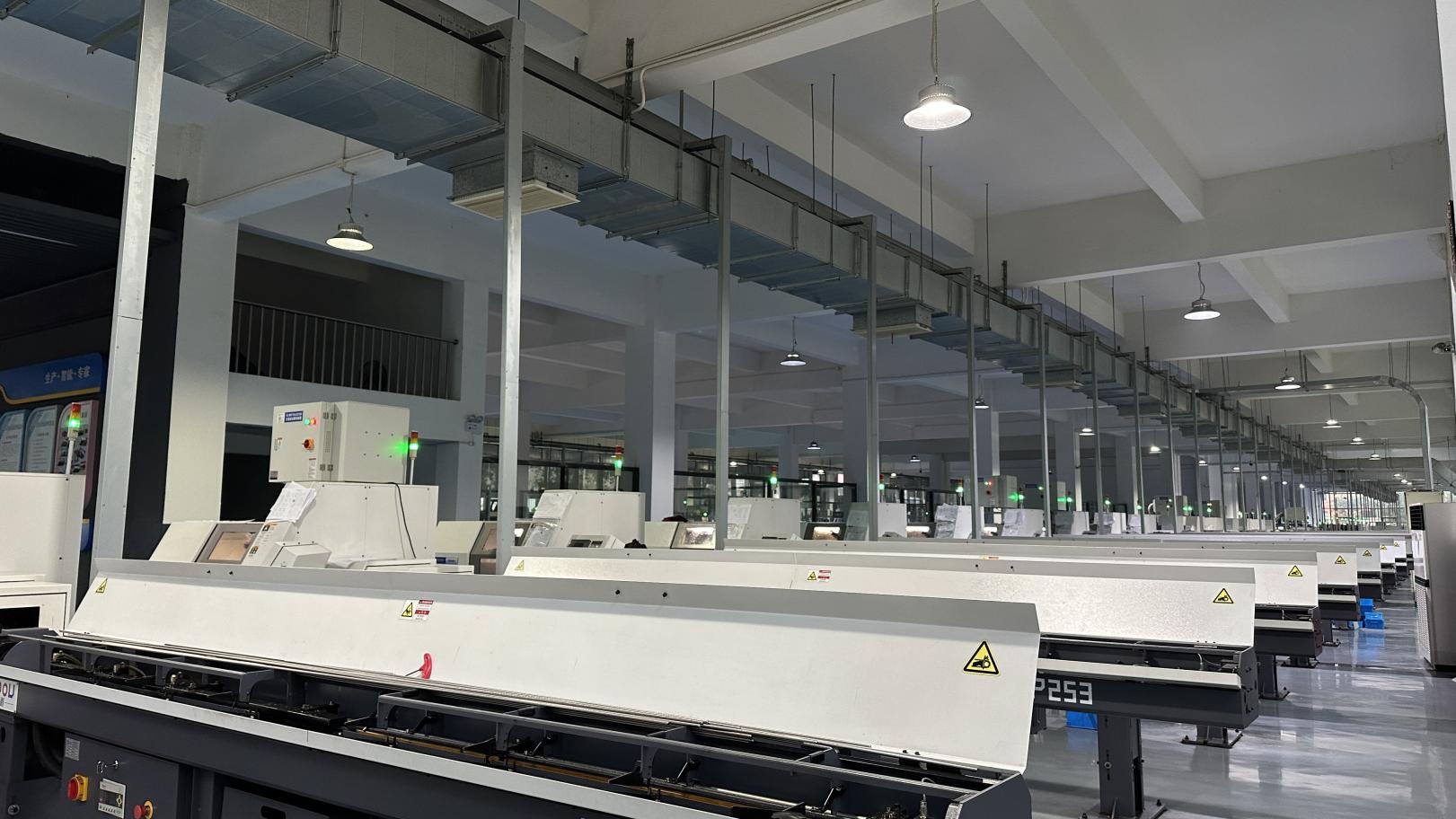
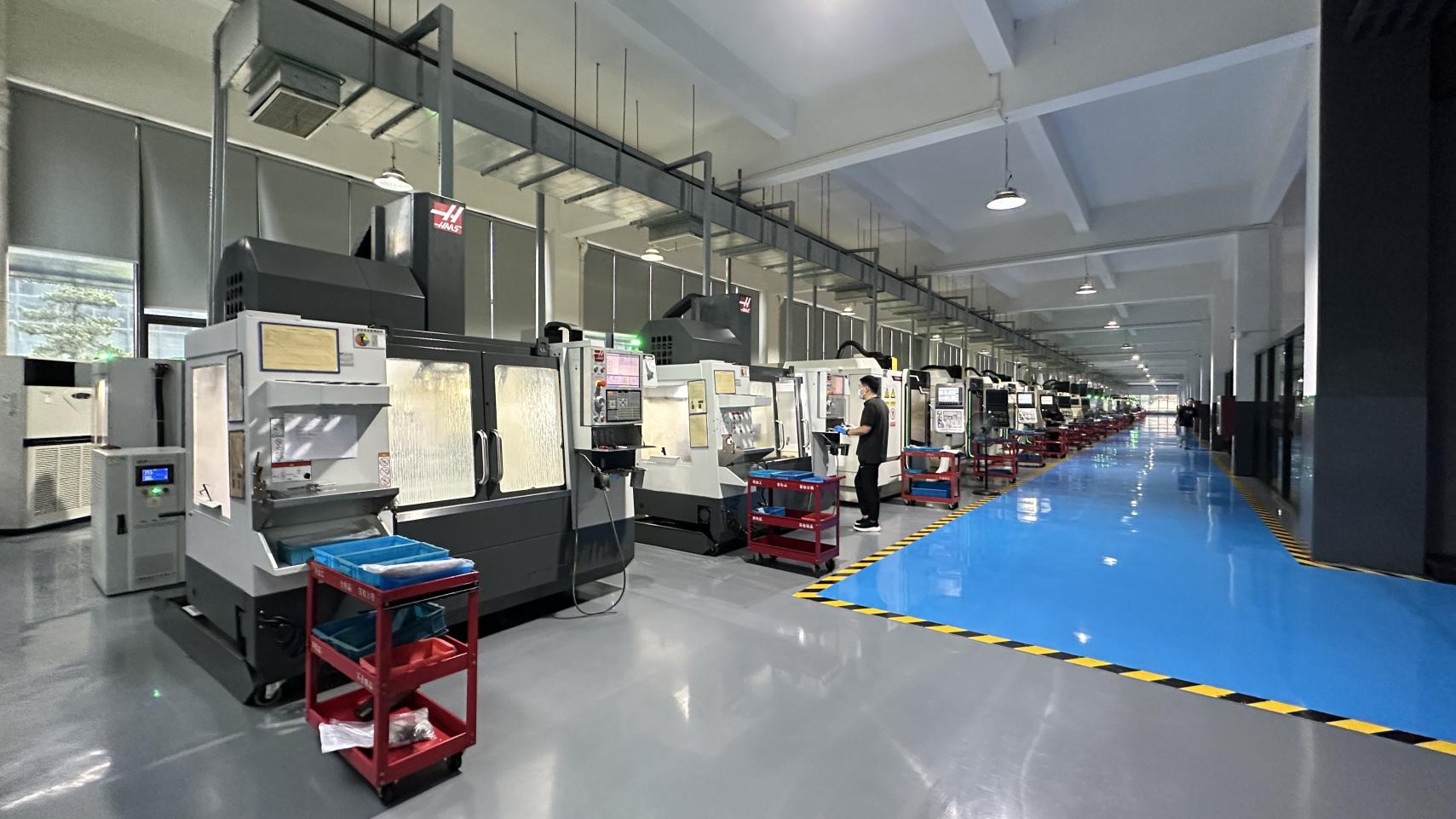
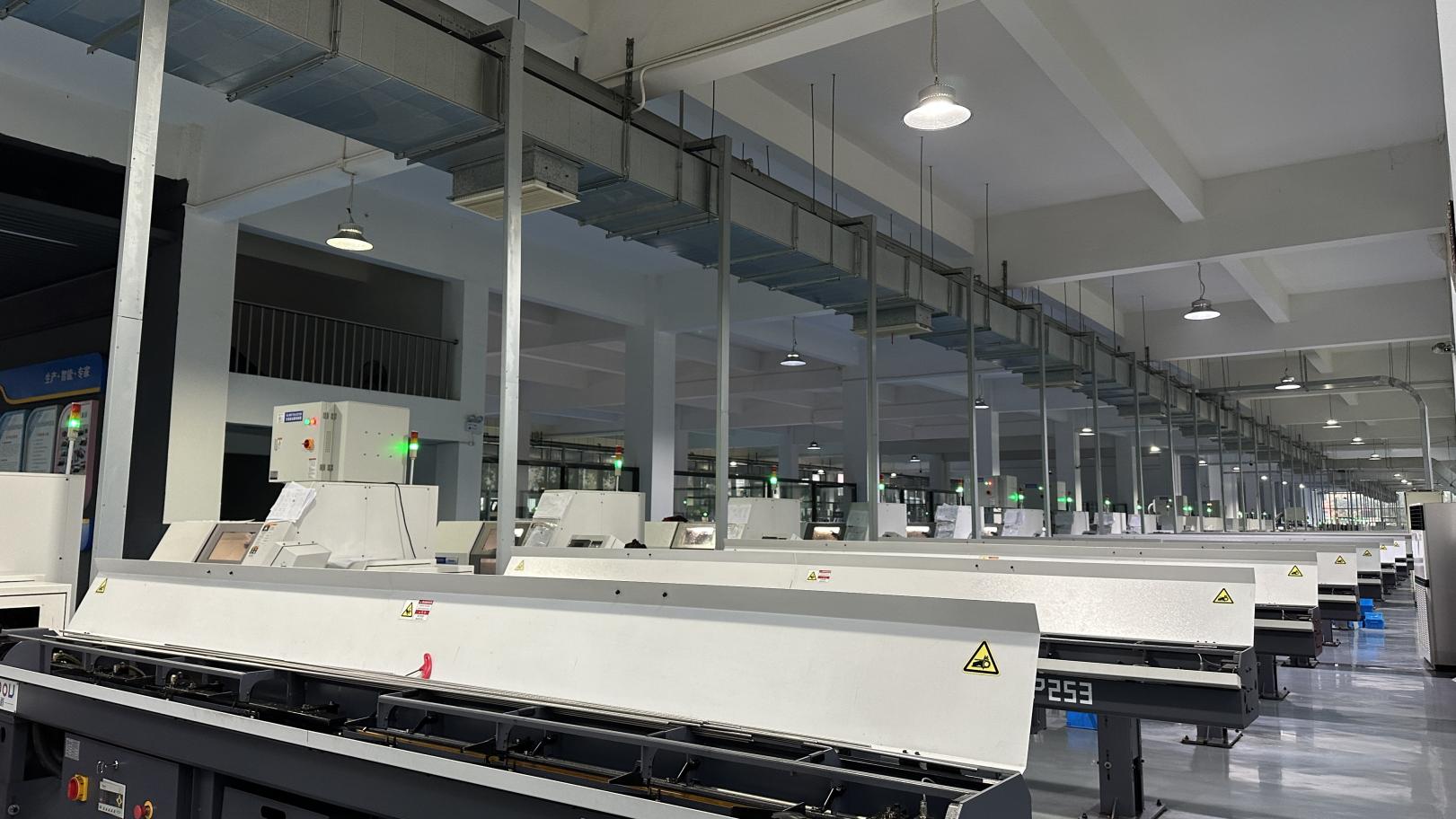
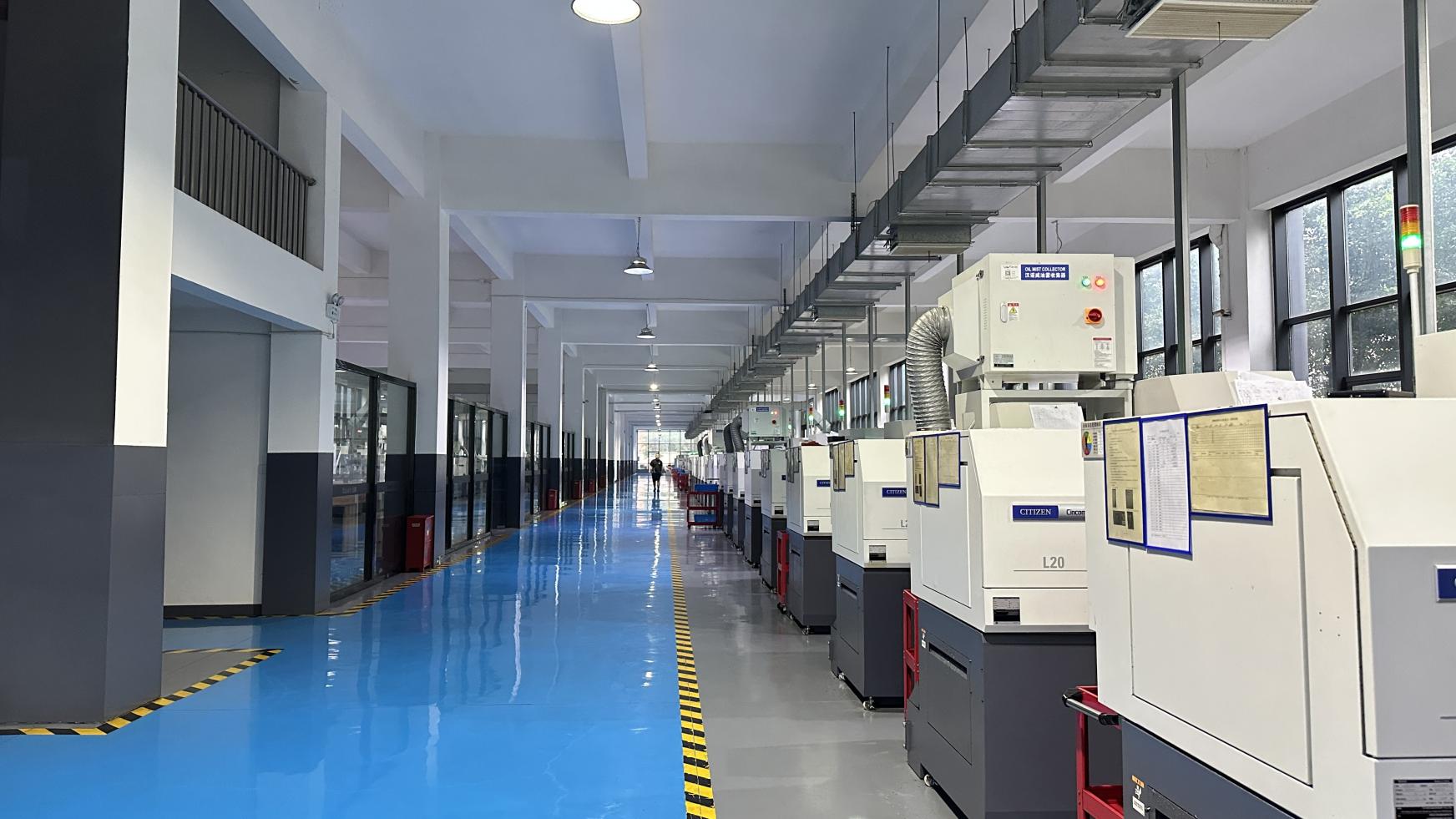
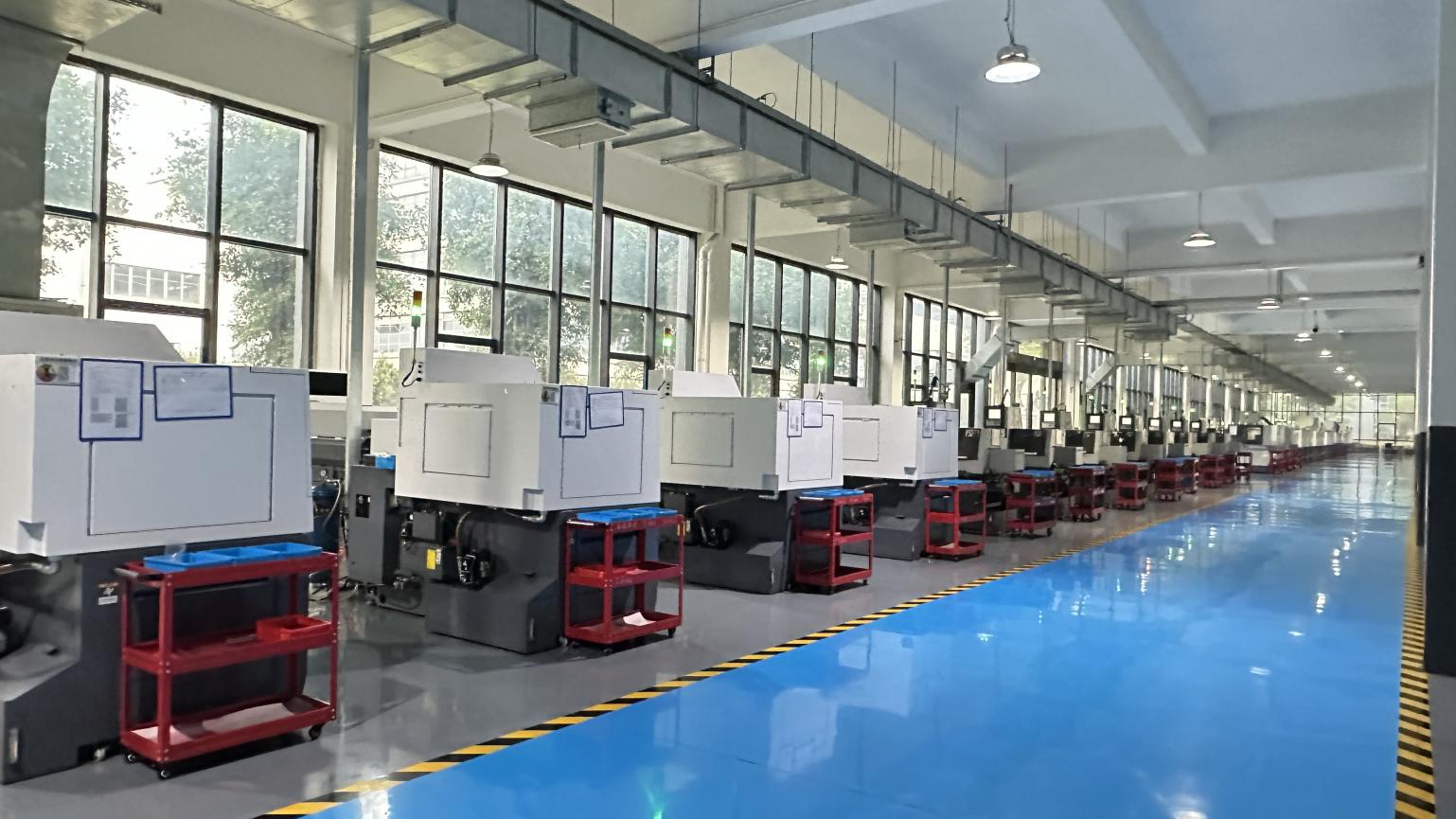
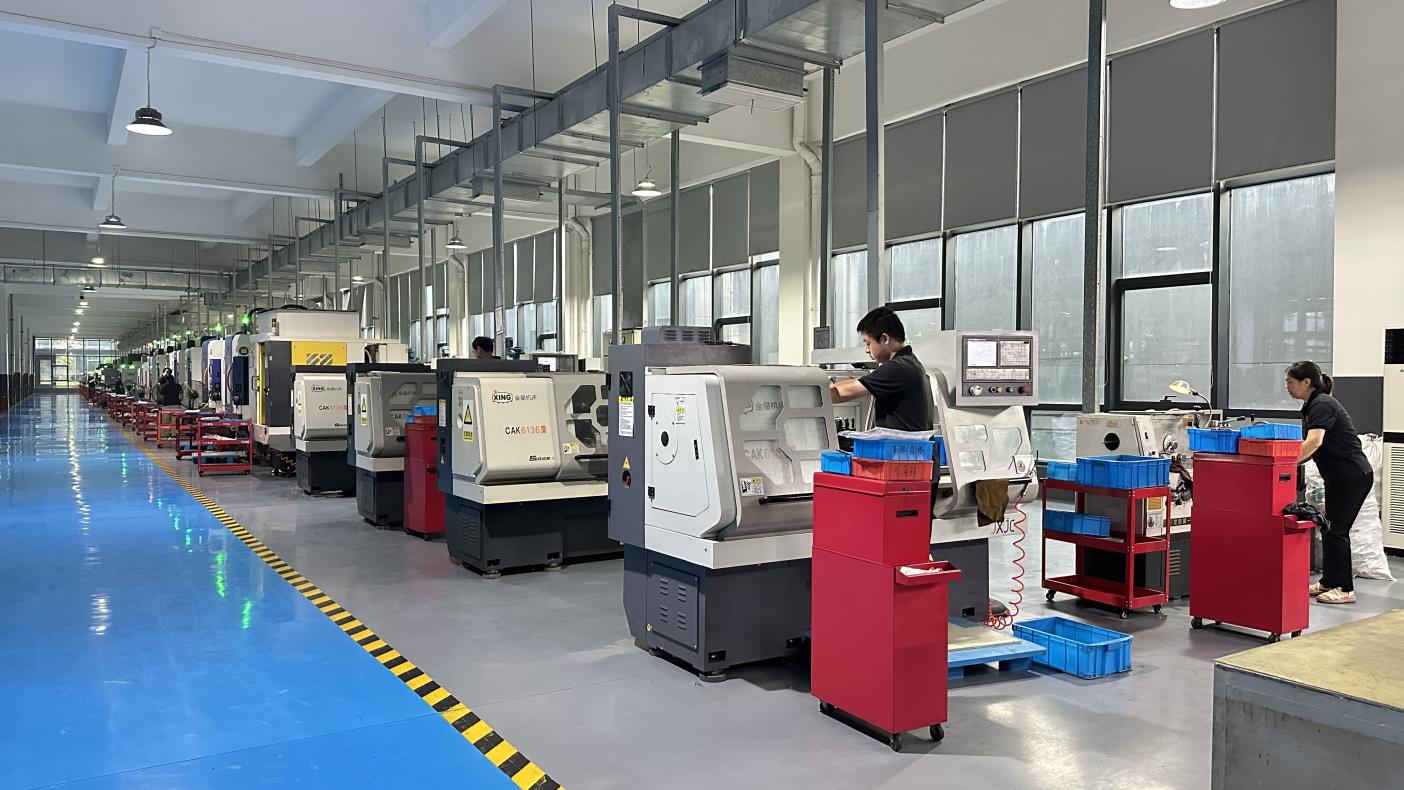
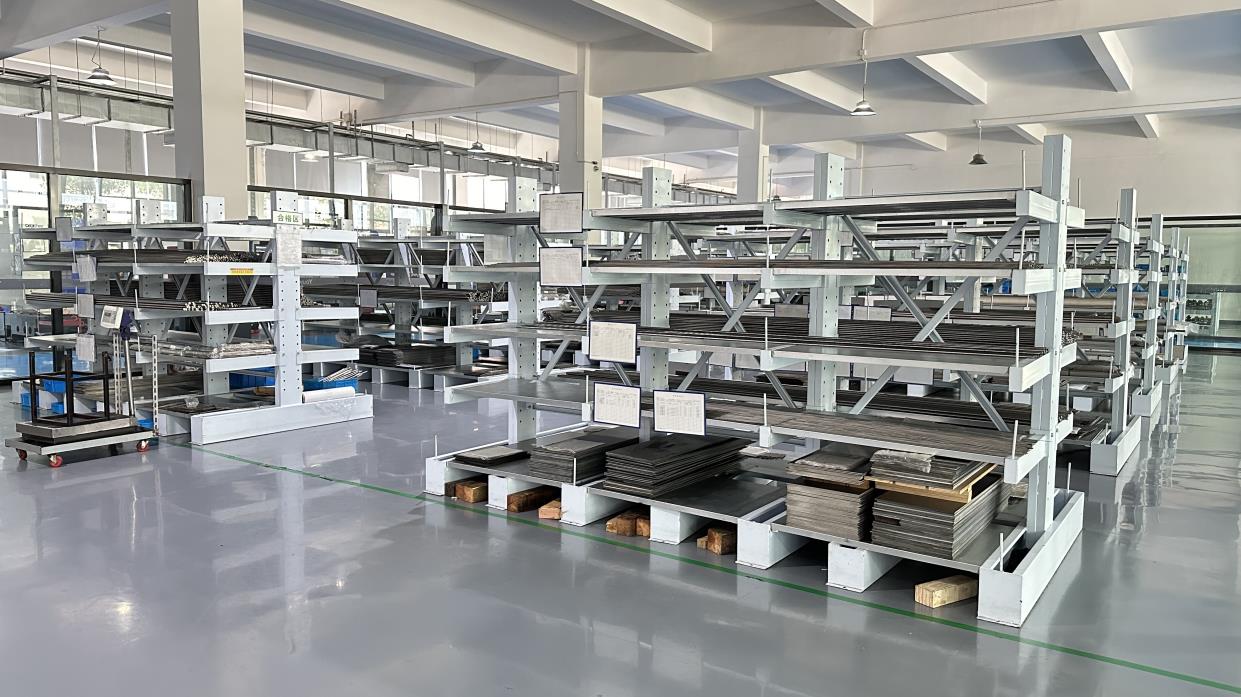
Precision tooling drives the repeatability of micro-implant machining. Take a look at the equipment running daily in our partner facilities.
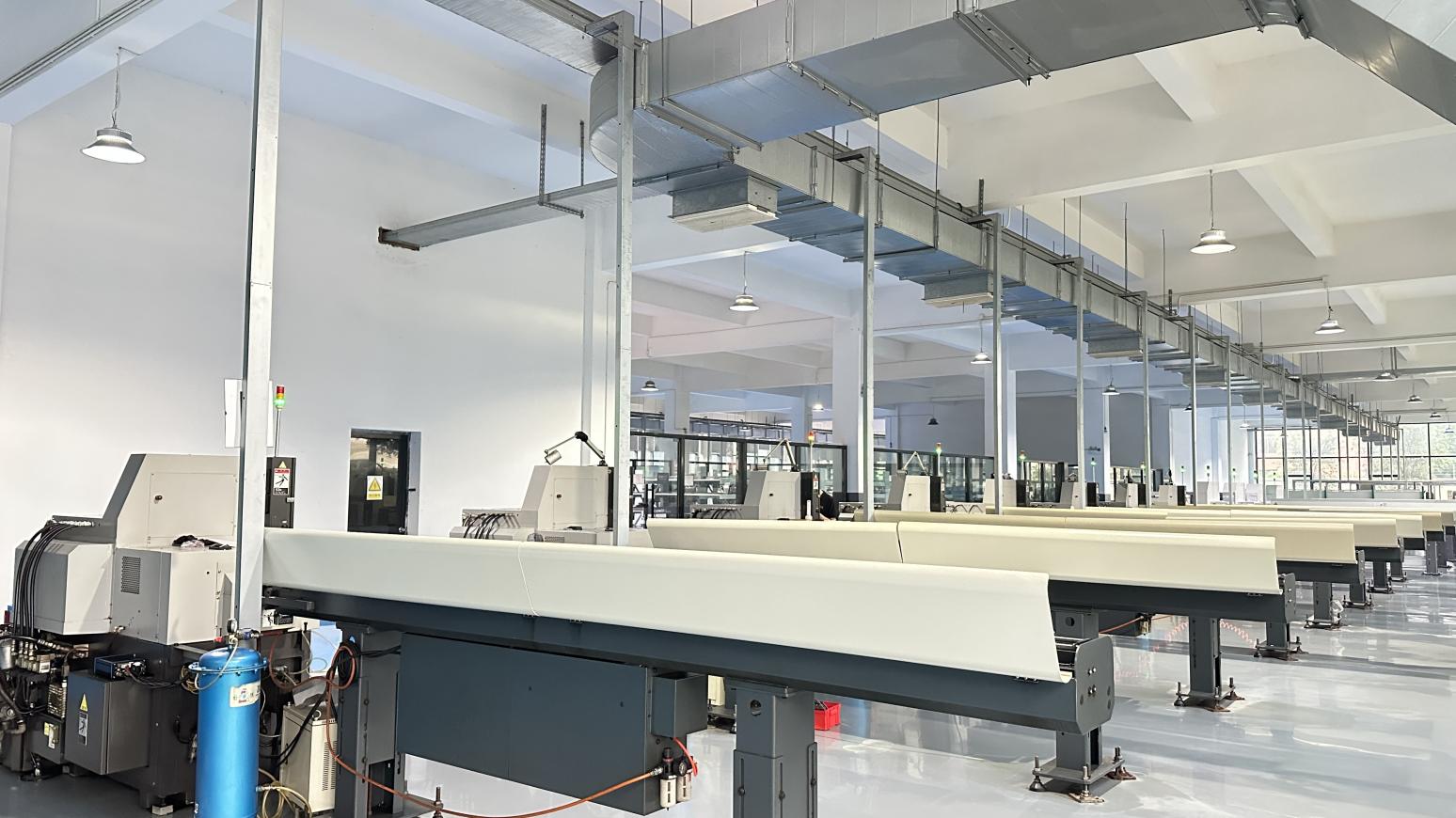
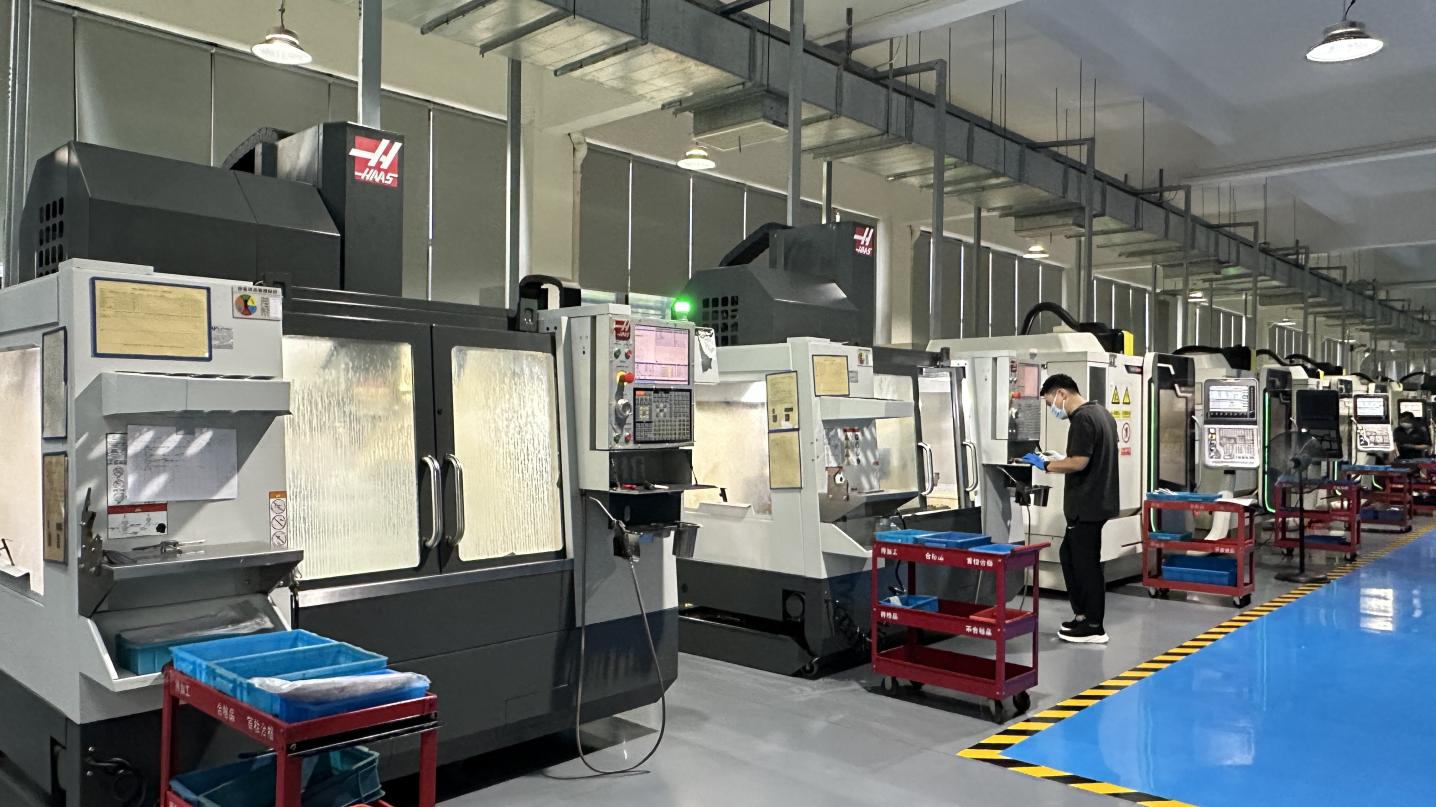
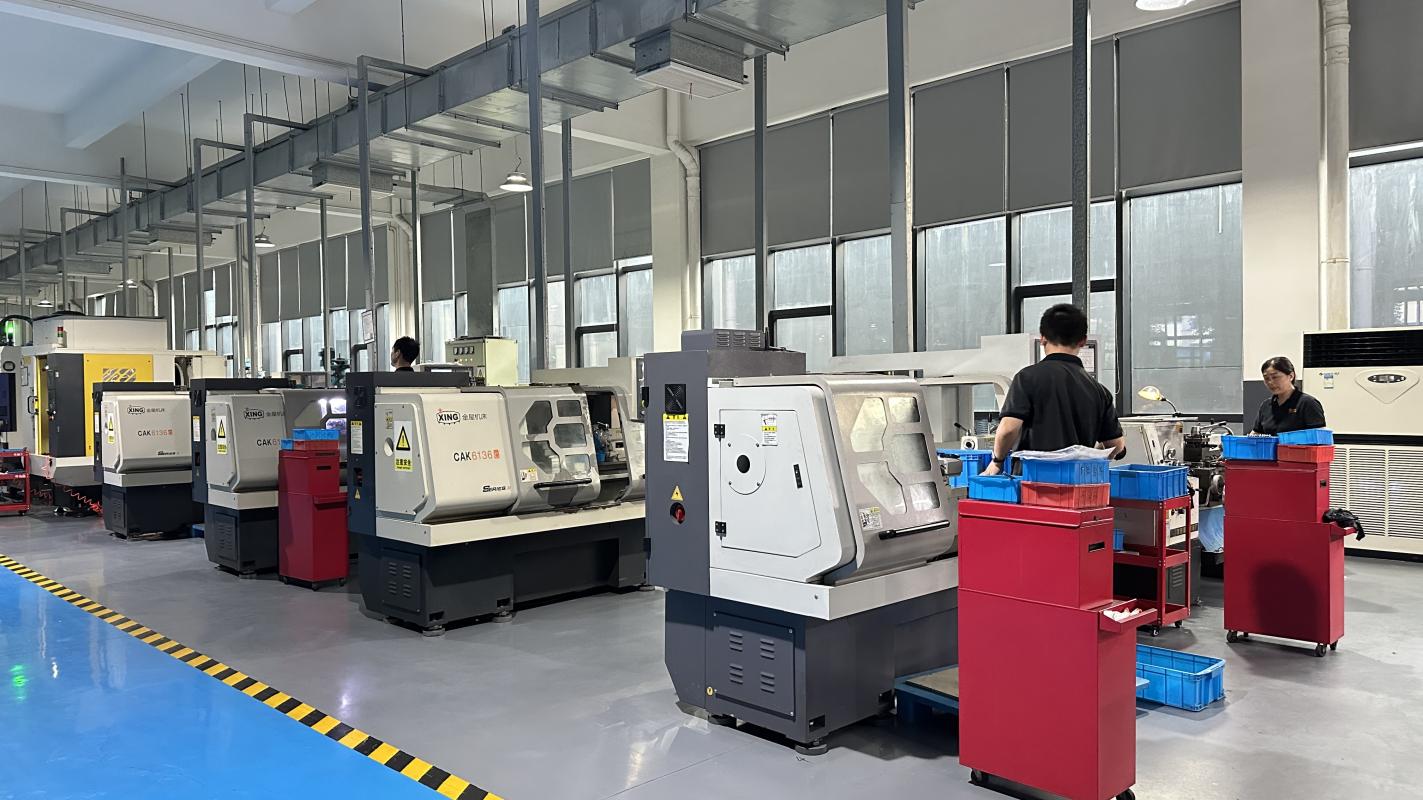
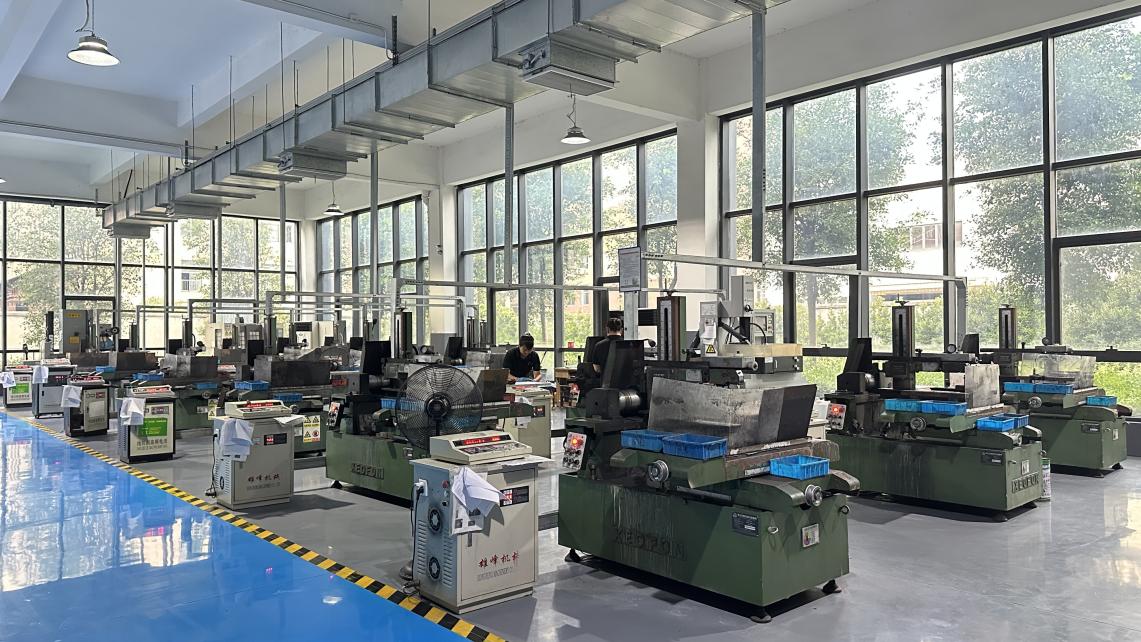
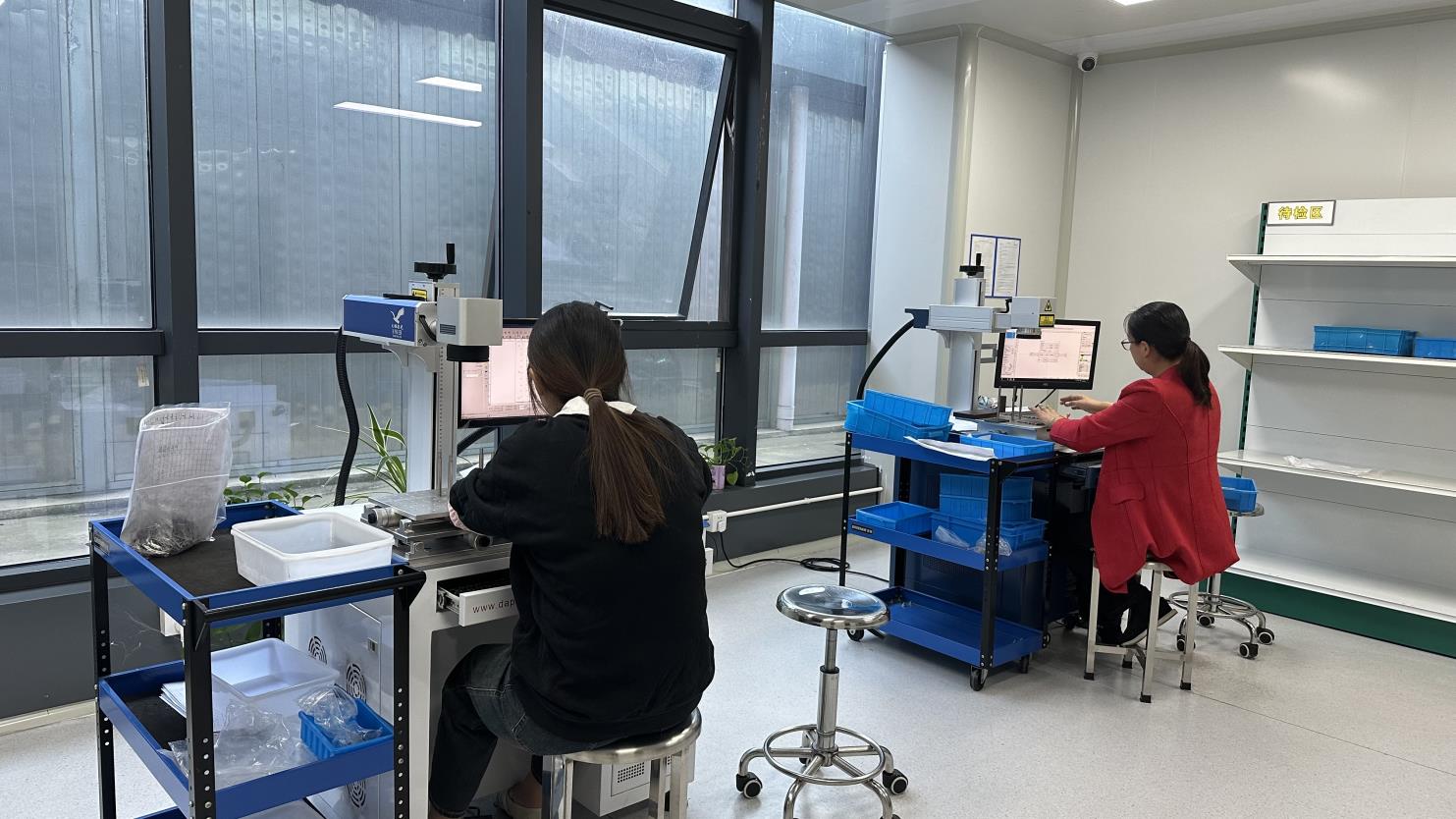
Foshan Wigivida Medical Co., Ltd. is a leading China-based manufacturer of high-quality medical consumables and devices, specializing in respiratory products, medical tubes, urology products, and surgical consumables. With years of experience in the healthcare industry, Wigivida has built a reputation for providing reliable, safe, and innovative solutions to hospitals, clinics, and medical distributors worldwide.
The company offers a comprehensive product range, including oxygen masks, ventilator accessories, catheters, Foley catheters, hypodermic needles, syringes, surgical drapes, sterile gloves, sutures, cotton swabs, gauze rolls, IV sets, and disposable medical kits. Each product is manufactured with strict adherence to quality standards, ensuring biocompatibility, durability, and patient safety.
Wigivida Medical emphasizes innovation, research, and precision manufacturing, combining advanced production technology with a rigorous quality management system. The company also provides customized solutions (OEM/ODM) to meet the specific needs of healthcare providers, supporting efficient hospital workflows and minimizing infection risks.

Expert clinical and procurement answers regarding bio-interference screws, degradation profiles, and manufacturing standards.
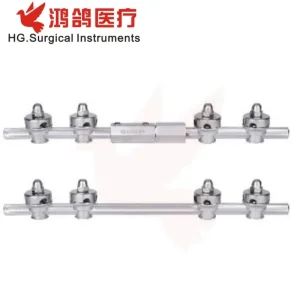
Explore our specialized external fixators, cannulated screws, and arthroplasty implants designed for diverse orthopedic applications.
 Wigivida Medical