Advanced Prosthetics for Mobility and Life Quality
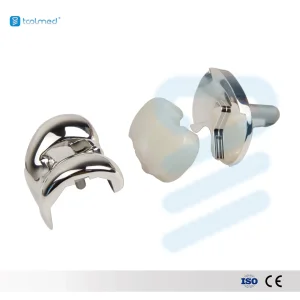
The global market for Total Elbow Prosthesis (TEP), also known as Total Elbow Arthroplasty (TEA), has witnessed a significant transformation over the last decade. As a critical component of orthopedic surgery, TEA is primarily indicated for patients suffering from severe rheumatoid arthritis, post-traumatic osteoarthritis, and complex distal humeral fractures that are not amenable to internal fixation.
Currently, the industrial landscape is dominated by high-precision manufacturing hubs. Historically, Western Europe and North America led the innovation in unconstrained and semi-constrained designs. However, the rise of China-based manufacturing excellence has shifted the paradigm. Leading suppliers like Foshan Wigivida Medical Co., Ltd. are now bridging the gap between high-end clinical requirements and cost-effective production, making advanced elbow restoration accessible to healthcare systems in the Asia-Pacific, Middle East, and Latin America.
Exporting to over 50 countries, meeting diverse regulatory standards from CE to ISO 13485.
Investing 15% of annual revenue into biomechanical research and material fatigue testing.
Utilizing medical-grade Cobalt-Chromium-Molybdenum (CoCrMo) and Ultra-High-Molecular-Weight Polyethylene (UHMWPE).
As a leading China Total Elbow Prosthesis Supplier, we stay at the forefront of technological integration. The industry is currently moving toward three major trends:
The ability to create trabecular metal structures that mimic natural bone porosity is a game-changer. 3D printing allows for better biological fixation (osseointegration), reducing the long-term risk of aseptic loosening—the most common cause of TEA failure.
Precision is paramount in the elbow joint, where the neurovascular structures are in close proximity. Manufacturers are now designing "Robot-Friendly" implants that integrate with surgical navigation systems, ensuring perfect alignment of the ulnar and humeral components.
No two elbows are the same. We are expanding our capabilities to offer customized solutions based on CT/MRI data, allowing surgeons
 Wigivida Medical