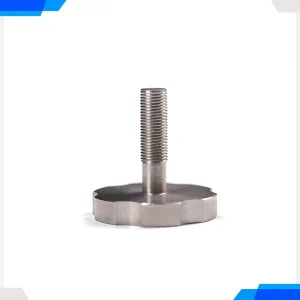
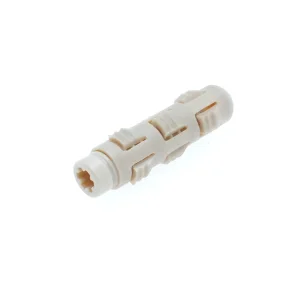
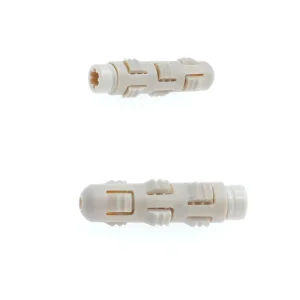
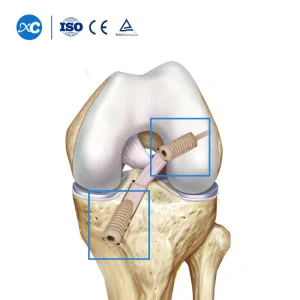
In the rapidly evolving world of sports medicine and orthopedic surgery, the role of a reliable Interference Screws Supplier has become more critical than ever. Interference screws are specialized fixation devices primarily used in the reconstruction of ligaments, most notably the Anterior Cruciate Ligament (ACL) and Posterior Cruciate Ligament (PCL). As surgical techniques shift toward minimally invasive arthroscopic procedures, the demand for high-precision, biocompatible screws has surged globally.
Today, the global market for interference screws is characterized by a transition from traditional metal alloys to advanced polymers like PEEK (Polyether ether ketone) and bioabsorbable materials such as PLLA. Surgeons and procurement departments in North America, Europe, and Asia-Pacific are increasingly seeking suppliers who can provide not only the hardware but also the technical assurance of long-term graft stability and biological integration. This industrial shift is driven by the need to reduce secondary surgeries and improve patient recovery timelines in an era where "sports for all" has increased the frequency of ligament injuries.
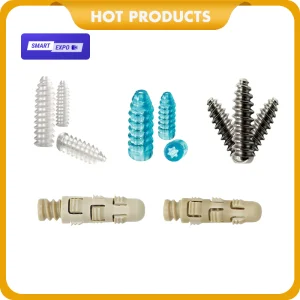
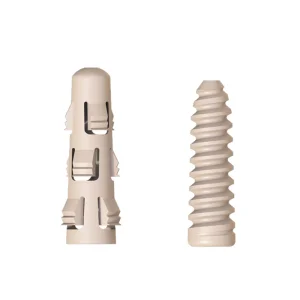
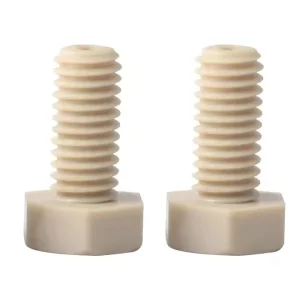
As a leading supplier, we understand that material choice dictates clinical outcomes. PEEK interference screws offer a modulus of elasticity similar to human bone, reducing "stress shielding" effects. Unlike traditional stainless steel, PEEK is radiolucent, meaning it does not interfere with MRI or CT scans—a vital feature for post-operative monitoring.
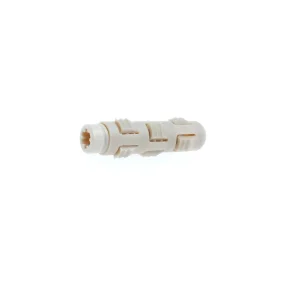
Our PEEK screws are engineered with precision threading to maximize pull-out strength while ensuring easy insertion into the tibial or femoral tunnels. This is where the synergy between engineering and anatomy reaches its peak.
Global procurement for orthopedic devices is currently experiencing three major shifts:
Bio-Composite Integration: There is a massive trend toward "osteoconductive" materials. Suppliers are now developing screws that contain Calcium Phosphate or Hydroxyapatite, which actually encourages bone growth into the screw site as it absorbs.
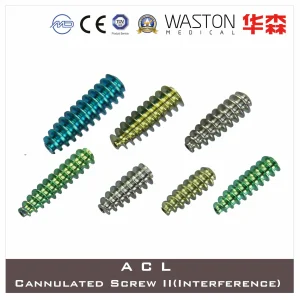
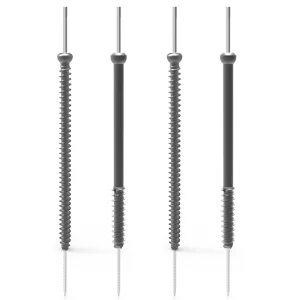
Customization and Cannulation: Most modern surgeons require cannulated interference screws. This allows the screw to be guided over a Nitinol wire, ensuring perfect axial alignment during the high-pressure environment of surgery.
Supply Chain Diversification: With rising costs in the West, global hospital groups and distributors are looking to China-based factories that offer the dual advantage of high-tech manufacturing and cost-efficiency without compromising on international standards like CE or FDA.
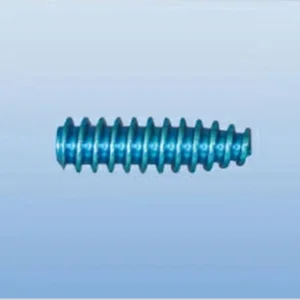
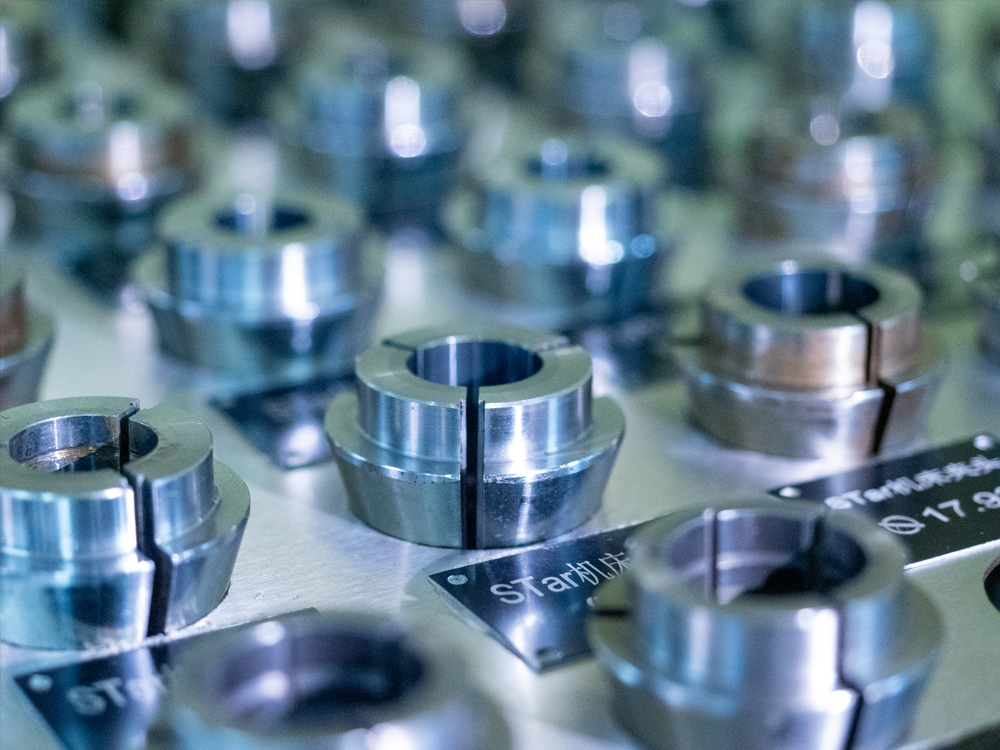
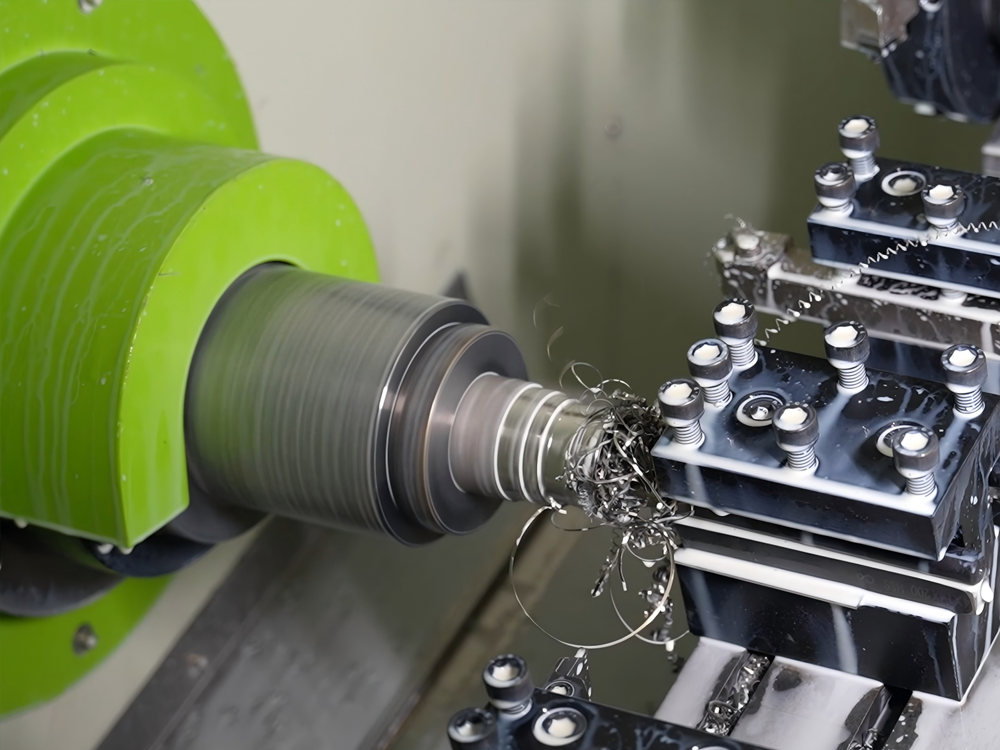
For international distributors, consistency is the hallmark of quality. Our Wholesale Cannulated Interference Screws are manufactured in Class 10,000 cleanrooms using Swiss-imported CNC machinery. This ensures that the 1st screw and the 10,000th screw have identical tolerances.
By partnering with a factory directly, procurement officers can eliminate the "middleman markup," redirecting funds to hospital patient care while maintaining access to premium-tier orthopedic implants.
The narrative of Chinese manufacturing has shifted from "high volume" to "high precision." As a China-based factory, Yuna Medical represents the vanguard of this transformation. Global suppliers choose us because we provide:
In local application scenarios—whether it's a high-end sports clinic in Munich or a busy public hospital in Bangkok—our interference screws perform with the same reliability as the most expensive Western brands, but with a logistical flexibility that traditional giants can't match.
Changzhou Yuna Medical Apparatus And Instruments Co., Ltd. (hereinafter referred to as Yuna Medical) was established in 1992. As a high-tech enterprise integrating research, development, manufacturing, and sales. Yuna Medical has maintained steady growth for the past 30 years and has entered a phase of rapid expansion since 2017.
Guided by the spirit of “Expanding with love, Striving for progress,” Yuna Medical is committed to technological innovation and the development of advanced medical products that empower clinical professionals and benefit patients worldwide. Our main product lines include Orthopedic Power Tool Systems, Orthopedic External Fixation Systems, Cervical and Lumbar Rehabilitation Solutions.

Continuous advancement in orthopedic technology and global market presence.

Over 20% of employees are R&D professionals driving innovation.

Certified by ISO, CE, FDA, and CCC, ensuring international compliance.
Collaborating with leading universities to enhance research and effectiveness.

Interference screws function on the principle of "compression and friction." When a surgeon pulls a tendon graft (like the semitendinosus) into a bone tunnel, the interference screw is driven between the graft and the bone wall. This creates a high-pressure interface that prevents the graft from slipping during the critical first 6-8 weeks of healing. As a specialized Interference Screws Suppliers, we focus on the thread pitch. A deeper thread is often preferred for osteoporotic bone, while a finer, more rounded thread is used for PEEK applications to avoid lacerating the soft tissue graft.
Historically, Titanium was the gold standard. However, Titanium is permanent and can make "revision" surgery (if the ACL tears again) extremely difficult. Bioabsorbable screws (PLLA/PGA) were developed to solve this, but early models often caused inflammatory responses as they degraded. This led to the rise of PEEK—the "Goldilocks" material. It is inert, strong like metal, yet flexible like bone. For laboratories and specialized imaging centers, we also provide Non-Magnetic Stainless Steel solutions for equipment that requires zero interference with high-tesla MRI fields.
In high-intensity sports environments—such as professional football leagues in Europe or the NFL in the United States—the speed of recovery is paramount. Here, the use of Biocomposite Interference Screws is surging. These screws provide immediate mechanical stability while the Calcium Phosphate components jumpstart the "creeping substitution" process, where the patient's own bone replaces the screw. Conversely, in emerging markets, high-quality Stainless Steel and PEEK screws remain the workhorses due to their proven track record and cost-utility ratio.
Looking ahead, the industry is moving toward personalized medicine. We are researching 3D-printed interference screws that can be custom-matched to a patient's bone density. Furthermore, the integration of AI in manufacturing allows for "digital twin" testing, where every screw design is stress-tested in a virtual environment before a single piece of material is cut. As your preferred supplier, Yuna Medical is already investing in these digital manufacturing technologies to ensure we stay ahead of global trends.
 Wigivida Medical