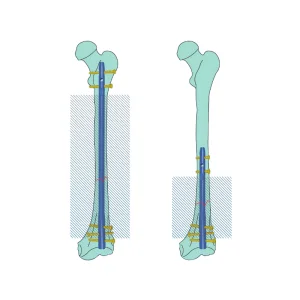
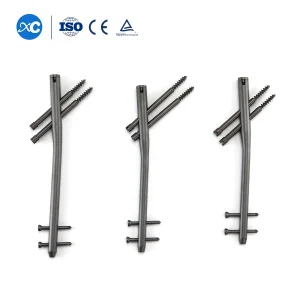
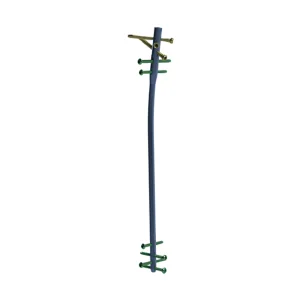
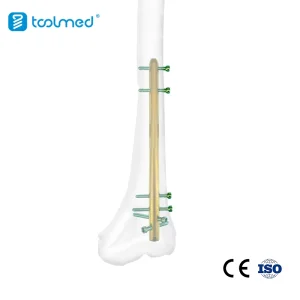
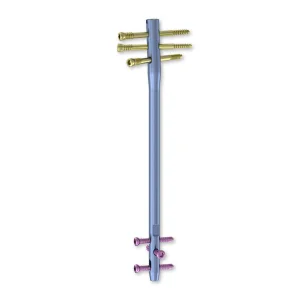
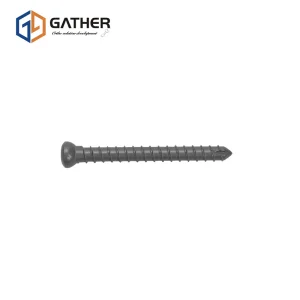
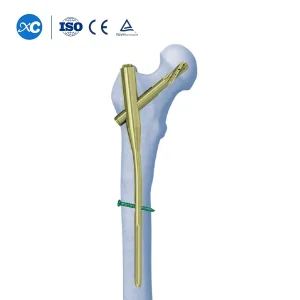
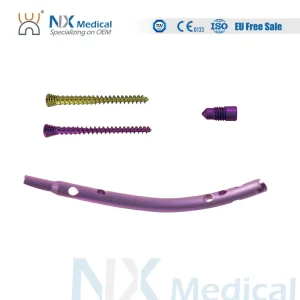
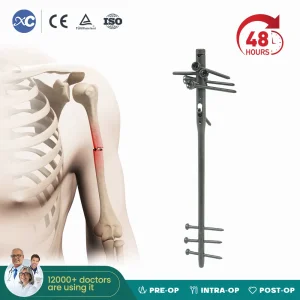
In the modern era of orthopedic surgery, Intramedullary (IM) Nails have become the "gold standard" for the treatment of long bone fractures, particularly in the femur, tibia, and humerus. As a premier Intramedullary Nails Manufacturer & Factory, we have witnessed a massive shift in global orthopedic demand. The world's aging population, coupled with an increase in high-energy trauma cases from road accidents and industrial activities, has propelled the intramedullary fixation market into a multi-billion dollar industry.
Globally, the intramedullary nail market is characterized by a drive toward Minimally Invasive Surgery (MIS). Surgeons are no longer satisfied with simple fixation; they require biological fixation that preserves the soft tissue envelope and periosteal blood supply. This industrial evolution has led to the development of specialized "expert" nails with multi-planar locking options, allowing for the treatment of complex fractures that were previously managed with plates and screws.
The industry is currently entering the 4.0 era. Manufacturers are integrating AI-assisted design to simulate stress distribution on implants. For example, our X Series Femoral Nails utilize anatomical curvature modeling based on large-scale bone morphology databases to ensure an optimal fit for diverse patient populations. This localized adaptation is crucial, as bone structures vary significantly between Western and Asian demographics.
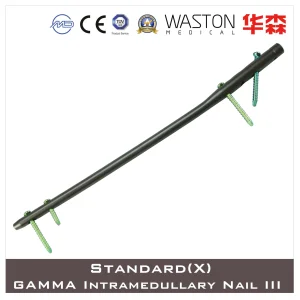
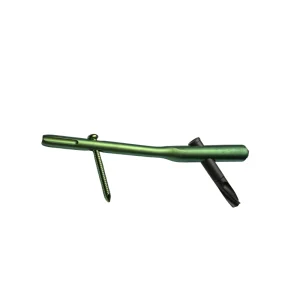
Moving beyond Stainless Steel to Grade 5 Titanium alloys and carbon-fiber PEEK materials for better radiolucency and modulus of elasticity.
Nails designed with electromagnetic tracking compatibility to reduce fluoroscopy time and improve distal locking accuracy.
The integration of micro-sensors within the nail to monitor fracture healing progress and weight-bearing compliance in real-time.
One of the most significant trends is the localization of implants. While global giants have long dominated the market, specialized factories in China, like Yuna Medical, are now leading the way in providing high-precision, cost-effective solutions that meet the specific regulatory and clinical needs of different regions, from the high-demand markets of Europe to the rapidly developing healthcare systems in Southeast Asia and Latin America.
As a top-tier manufacturer, we bridge the gap between high-end R&D and large-scale industrial efficiency.
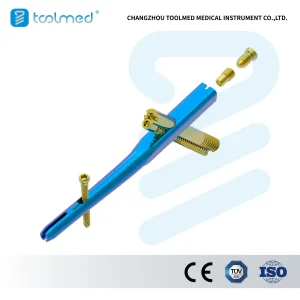
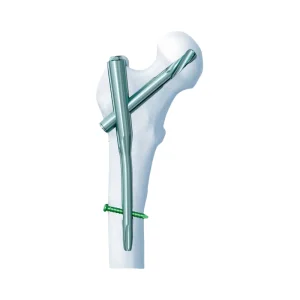
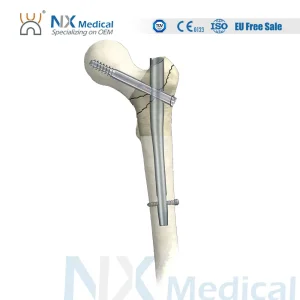
Proximal Femoral Nail Antirotation (PFNA) systems represent the peak of geriatric fracture care. Our PFNA Proximal Femur Interlocking Nail is a flagship product for global distributors due to its helical blade design, which provides superior stability in osteoporotic bone. For hospital procurement managers, the goal is "Value-Based Healthcare"—achieving the best clinical outcome at a sustainable cost.
By operating from Changzhou—the heart of China's medical device valley—we leverage an ultra-efficient supply chain. This allows us to provide CE and FDA-certified products at a price point that significantly reduces the burden on national health budgets without compromising on surgical safety.
Changzhou Yuna Medical Apparatus And Instruments Co., Ltd. (hereinafter referred to as Yuna Medical) was established in 1992. As a high-tech enterprise integrating research, development, manufacturing, and sales. Yuna Medical has maintained steady growth for the past 30 years and has entered a phase of rapid expansion since 2017.
Guided by the spirit of “Expanding with love, Striving for progress,” Yuna Medical is committed to technological innovation and the development of advanced medical products that empower clinical professionals and benefit patients worldwide. Our main product lines include Orthopedic Power Tool Systems, Orthopedic External Fixation Systems, Cervical and Lumbar Rehabilitation Solutions.

Continuously advancing in orthopedic technology and global market presence since 1992.

Over 20% of employees are R&D professionals driving innovation in surgical solutions.

Certified by ISO, CE, FDA, and CCC, ensuring international compliance.
Collaborating with leading universities to enhance research and clinical effectiveness.

Intramedullary nails function as load-sharing devices. Unlike plates, which are load-bearing and can cause "stress shielding" (leading to bone weakening), IM nails are positioned in the center of the medullary canal. This allows for controlled micro-motion at the fracture site, which actually stimulates callus formation and accelerates natural bone healing.
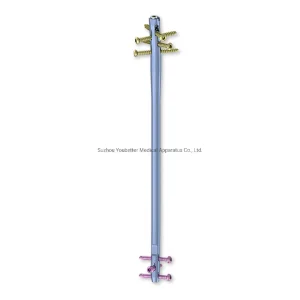
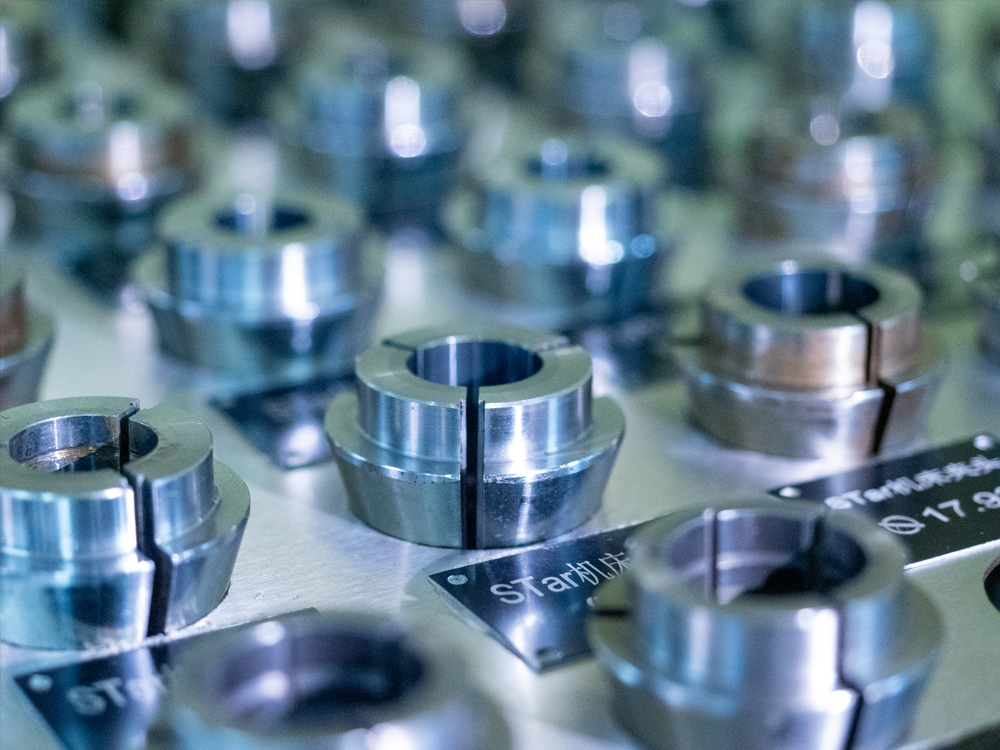
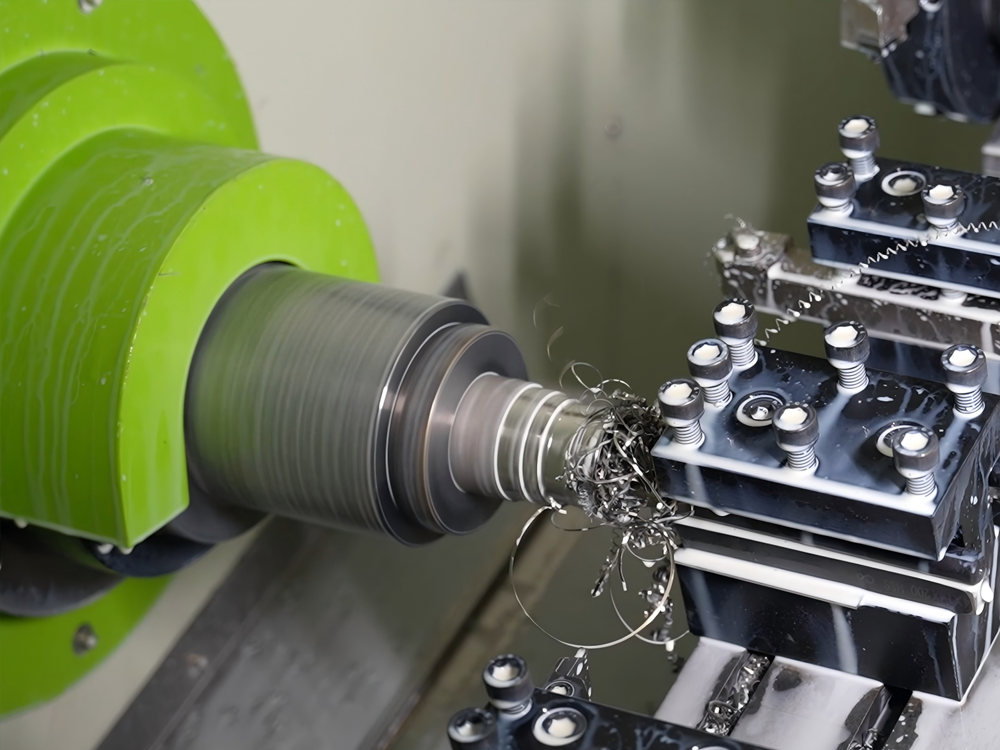
Our factory employs high-precision CNC multi-axis milling machines to ensure that every interlocking hole is perfectly aligned. This is critical because even a 1mm deviation can lead to "missing" the locking screw during surgery, increasing operation time and radiation exposure for the surgical team.
To succeed as a global Intramedullary Nails Factory, quality assurance is non-negotiable. Our manufacturing facility utilizes world-class testing equipment to perform fatigue tests, static torsion tests, and pull-out tests. Each batch of raw materials—whether it’s Titanium Alloy (Ti-6Al-4V ELI) or Stainless Steel (316LVM)—is tracked with full traceability from the mill to the finished sterile package.
In conclusion, the future of intramedullary nailing lies in the perfect balance of biological friendliness, mechanical strength, and surgical ease. Yuna Medical continues to invest in robotic manufacturing and smart inventory systems to ensure that our global partners have access to the highest quality orthopedic implants exactly when they need them. Whether you are a distributor in South America or a surgical center in Europe, our intramedullary nail systems are designed to deliver excellence in every operating room.
 Wigivida Medical