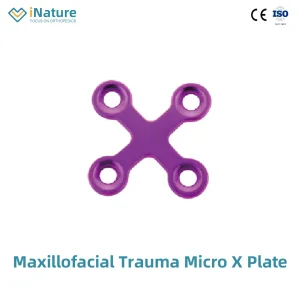
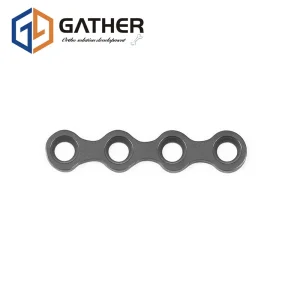
The global maxillofacial implants market is currently undergoing a transformative phase, driven by rapid advancements in reconstructive surgery and the increasing prevalence of facial trauma and congenital deformities. As a specialized branch of orthopedics, Craniomaxillofacial (CMF) surgery requires ultra-precise instrumentation and implants that can conform to the complex anatomy of the human skull and face. Factories and suppliers in this sector are no longer just manufacturers; they are critical partners in clinical success.
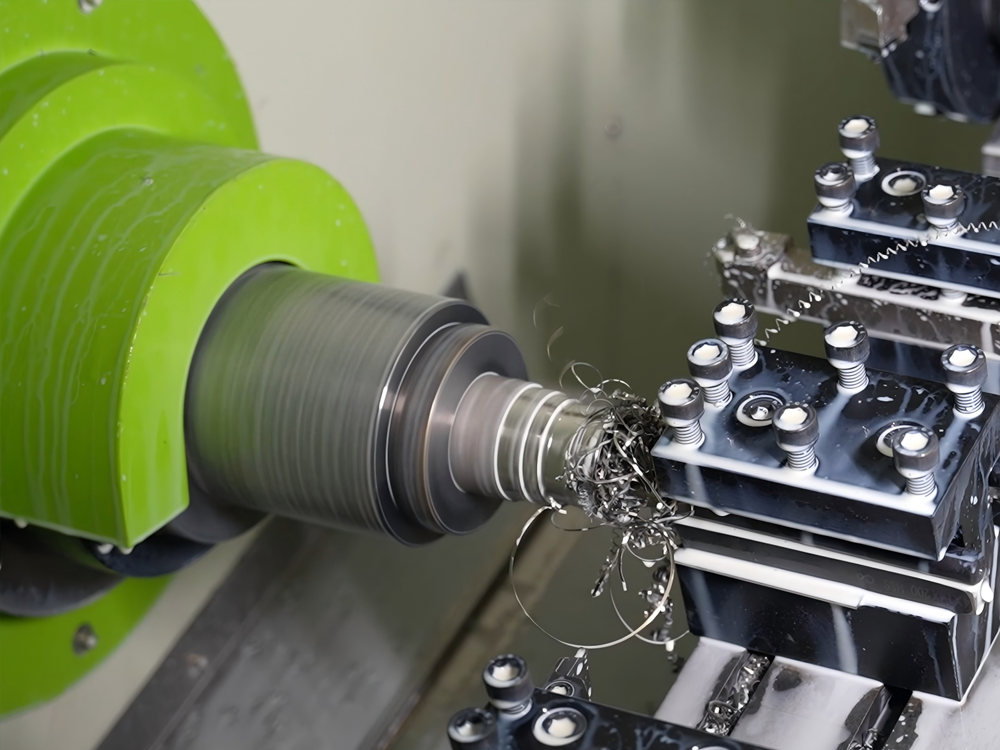
From the bustling medical hubs in North America to the emerging healthcare sectors in Southeast Asia and Latin America, the demand for high-quality titanium and PEEK (Polyether ether ketone) implants is surging. Modern surgeons are moving away from "one-size-fits-all" plates toward patient-specific solutions (PSI) and variable-angle locking systems that allow for greater intraoperative flexibility. This shift has placed immense pressure on Maxillofacial Implants factories to adopt AI-driven design and 5D CNC machining to ensure micron-level accuracy.
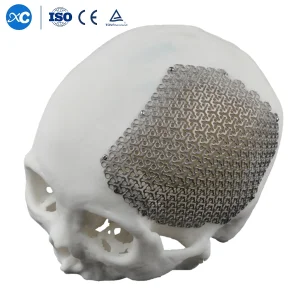
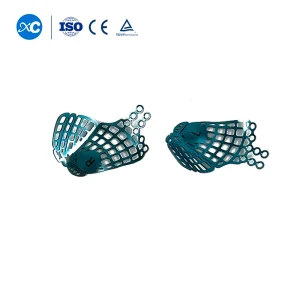
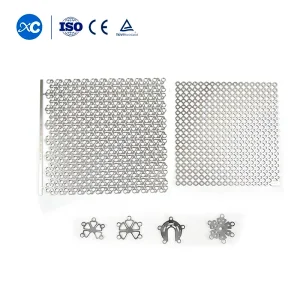
In the realm of cranial reconstruction, the "Cloud Shape" anatomical mesh represents the pinnacle of titanium mesh technology. Designed to mimic the natural curvature of the human skull, this implant significantly reduces the time surgeons spend contouring plates during surgery. Its unique porous structure promotes rapid osseointegration while maintaining structural integrity against external pressure. For trauma centers and neurosurgery departments, this product is a staple for complex vault reconstructions.
The industry is moving toward 3D-printed titanium implants. This allows Maxillofacial Implants suppliers to create lattice structures that were previously impossible, facilitating better blood flow and bone ingrowth within the implant itself.
While titanium remains the gold standard, there is a growing trend in pediatric maxillofacial surgery toward bio-resorbable plates that disappear as the child's bone grows, eliminating the need for a second surgery to remove the hardware.
Modern factories are now offering VSP services. Surgeons send CT scans, and the factory engineers design the reconstruction virtually before the physical implant is even manufactured. This "digital twin" approach reduces surgery time by up to 30%.
Innovation in surface treatments, such as silver-ion infusion or hydroxyapatite coating, is helping to reduce post-operative infection rates, a major concern in oral and maxillofacial procedures.
Procurement officers in international hospitals and large-scale medical distributors face unique challenges when sourcing Maxillofacial Implants. The primary concern is regulatory compliance. Implants must meet stringent ISO 13485, CE, and FDA standards to ensure they are safe for long-term human implantation. As a leading supplier, we prioritize documentation and traceability, ensuring every screw and plate can be tracked back to its original titanium ingot batch.
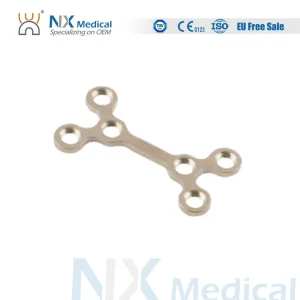
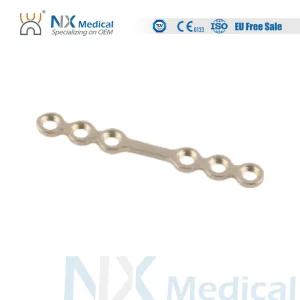
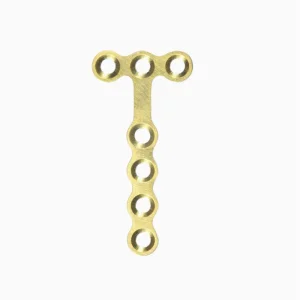
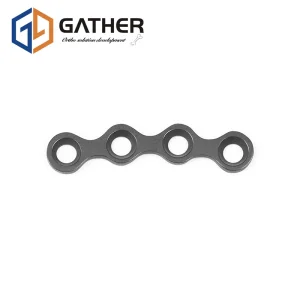
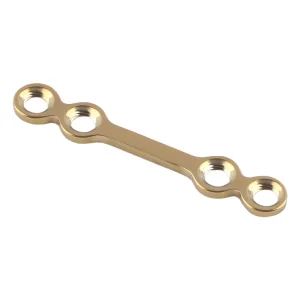
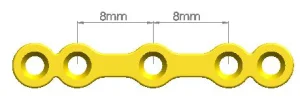
The second major factor is supply chain stability. In a post-pandemic world, hospitals cannot afford delays in trauma supplies. Our factory maintains a massive inventory of standard mini-plates (1.5mm, 2.0mm, and 2.4mm systems) to ensure immediate dispatch. Furthermore, cost-effectiveness is vital. While Western brands offer quality, the "China Price" combined with equivalent or superior manufacturing technology allows healthcare providers to stretch their budgets further without compromising patient outcomes.
Localized application scenarios also play a role. In high-trauma regions, the need is for robust, versatile locking systems. In aesthetic-focused markets like South Korea or Brazil, the demand shifts toward ultra-low profile micro-plates for orthognathic surgery that leave no visible trace under the skin. A versatile Maxillofacial Implants factory must understand these regional nuances to provide the right product mix.
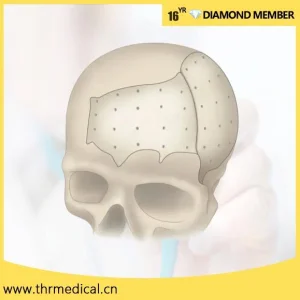
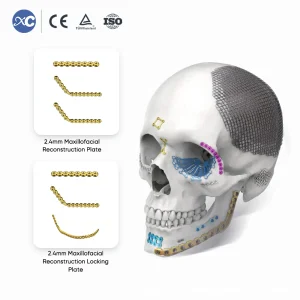
Standard plates cannot always solve complex mandibular defects or mid-face trauma. Our Patient-Specific Implant (PSI) system utilizes high-resolution imaging to create a unique titanium solution for every patient. This "perfect fit" technology ensures anatomical symmetry and restores function more effectively than traditional methods. As a premier Maxillofacial Implants supplier, we offer a seamless end-to-end workflow from DICOM data processing to final sterile delivery.
With decades of evolution, Chinese medical manufacturing has moved from imitation to innovation. Here is why global leaders partner with Yuna Medical.

Since 1992, we have mastered the art of orthopedic manufacturing, surviving and thriving through industry shifts.

20% of our workforce is dedicated to innovation, bridging the gap between clinical needs and industrial production.

Full compliance with ISO, CE, and FDA ensures our Maxillofacial Implants are ready for any international market.
We collaborate with top-tier universities to integrate the latest biomaterial science into our product lines.
Changzhou Yuna Medical Apparatus And Instruments Co., Ltd. (hereinafter referred to as Yuna Medical) was established in 1992. As a high-tech enterprise integrating research, development, manufacturing, and sales. Yuna Medical has maintained steady growth for the past 30 years and has entered a phase of rapid expansion since 2017.
Guided by the spirit of “Expanding with love, Striving for progress,” Yuna Medical is committed to technological innovation and the development of advanced medical products that empower clinical professionals and benefit patients worldwide.
Our main product lines include Orthopedic Power Tool Systems, Orthopedic External Fixation Systems, Cervical and Lumbar Rehabilitation Solutions, and our world-class Maxillofacial Implant Systems.

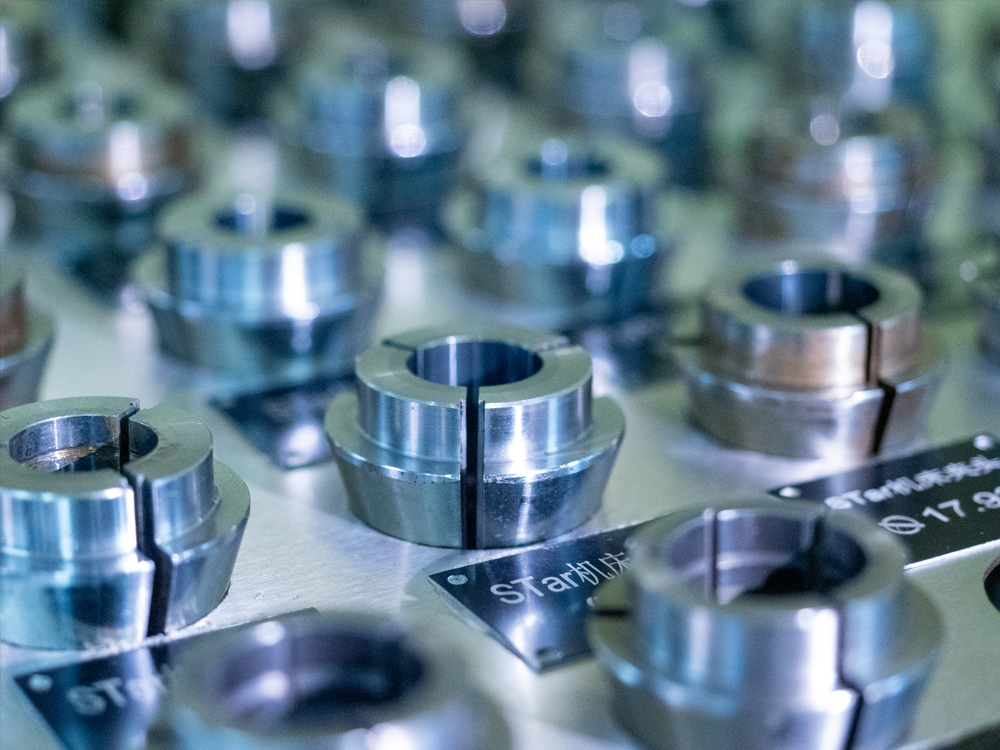
For any Maxillofacial Implants supplier, the "Instrument-Implant" synergy is vital. A surgeon should not struggle with a screwdriver while attempting to fix a delicate orbital floor plate. That is why we provide comprehensive surgical kits where every screw has a perfectly matched self-holding driver tip. Our VA (Variable Angle) Locking systems allow for up to 15 degrees of screw angulation, providing the ultimate flexibility when dealing with crowded anatomical structures like tooth roots or nerves.
From a business perspective, being a "Factory & Supplier" means we offer OEM services that allow global brands to customize plate colors (via anodization), laser marking, and packaging. This end-to-end service makes us the preferred backend partner for many of the world's most recognizable medical device names.
 Wigivida Medical