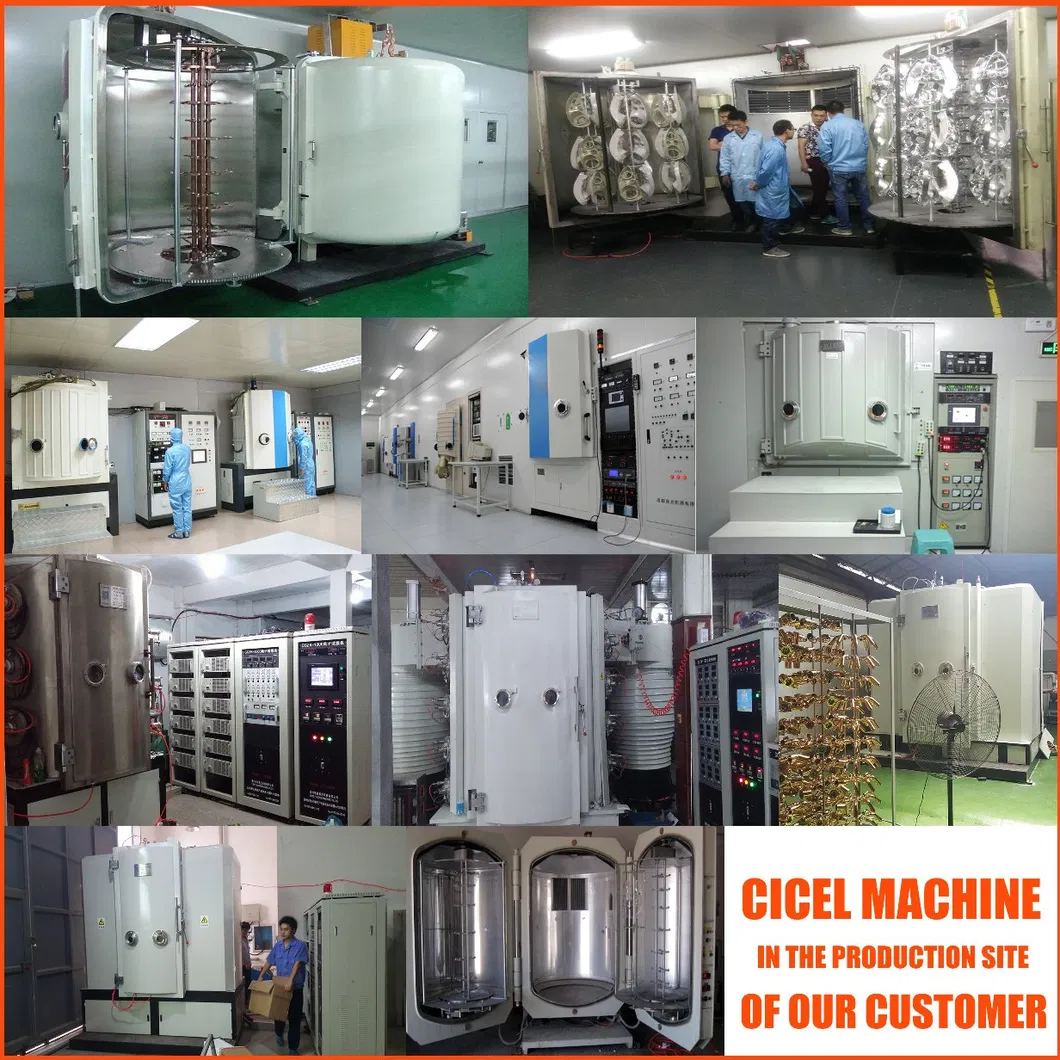
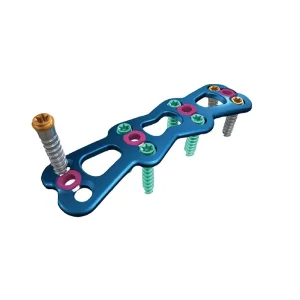
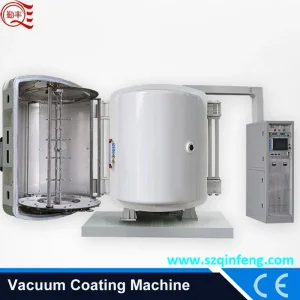
Vacuum Chrome Plating System
Magnetron Sputtering Vacuum Metalizing Technology: PVD coating technology through magnetron sputtering involves filling a vacuum chamber with an inert gas like argon. High voltage creates a glow discharge, accelerating ions to the target surface. This process is highly efficient for both tribological and decorative applications, increasing plasma density for better coating growth.
Main Process Workflow
1
Preparation: Parts are sprayed with a basecoat and racked into the sealed chamber.
2
Plasma Activation: Argon gas is introduced; electricity creates an active plasma field.
3
Ion Bombardment: Positively charged Argon atoms are accelerated by magnetic fields toward the target.
4
Deposition: Target atoms are "shot" onto the part surface to build a smooth, durable layer.
Versatile Applications
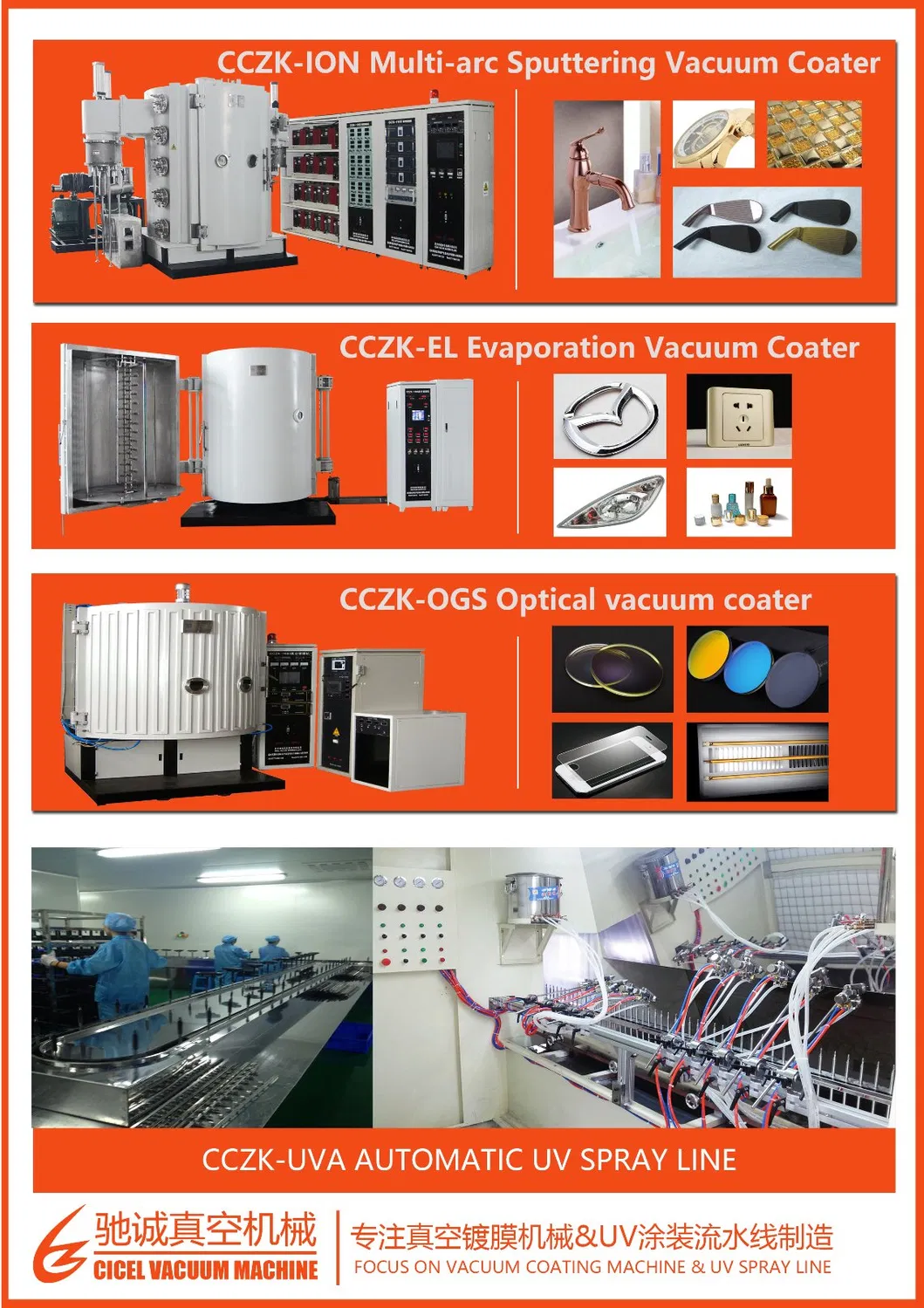
Our PVD systems are utilized across various industries to create tough, wear-resistant, and decorative coatings on plastic, metal, or glass:
- Hardware decorative vacuum metallizing
- Solar Control Reflective Glass & Low-E Glass
- Sputtering Aluminum & Automobile Mirrors
- Auto car wheel finishes
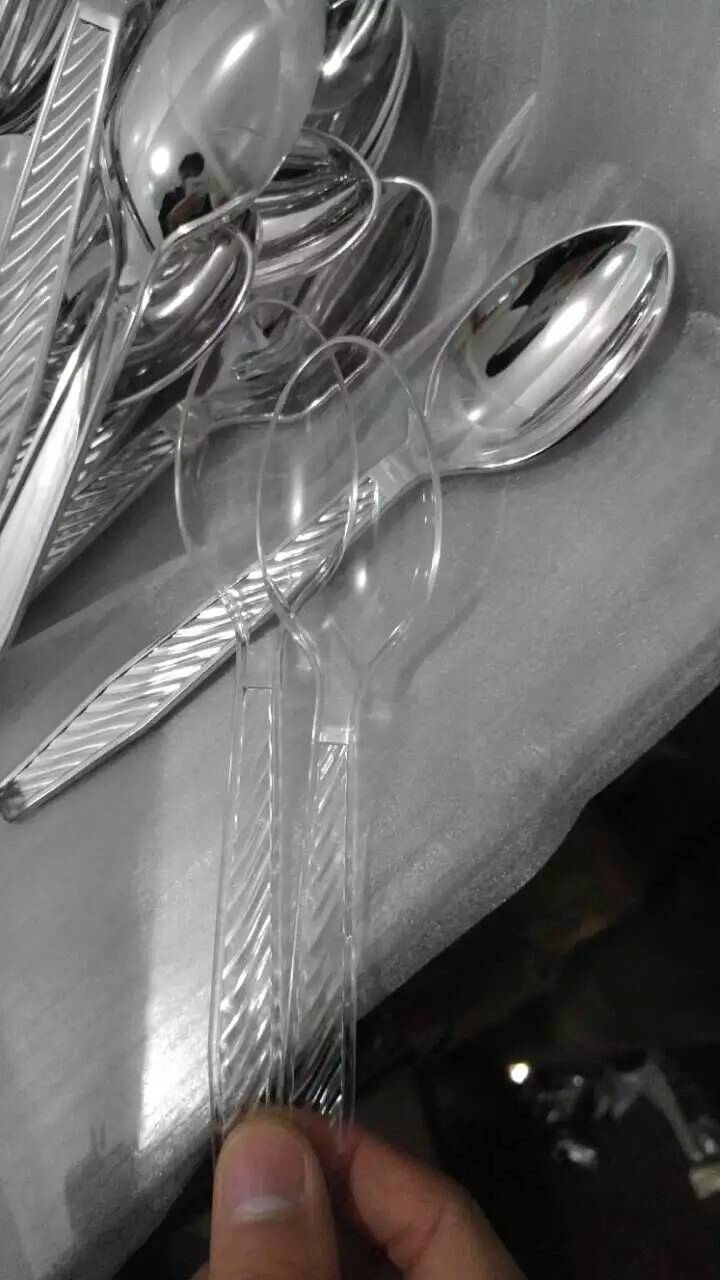
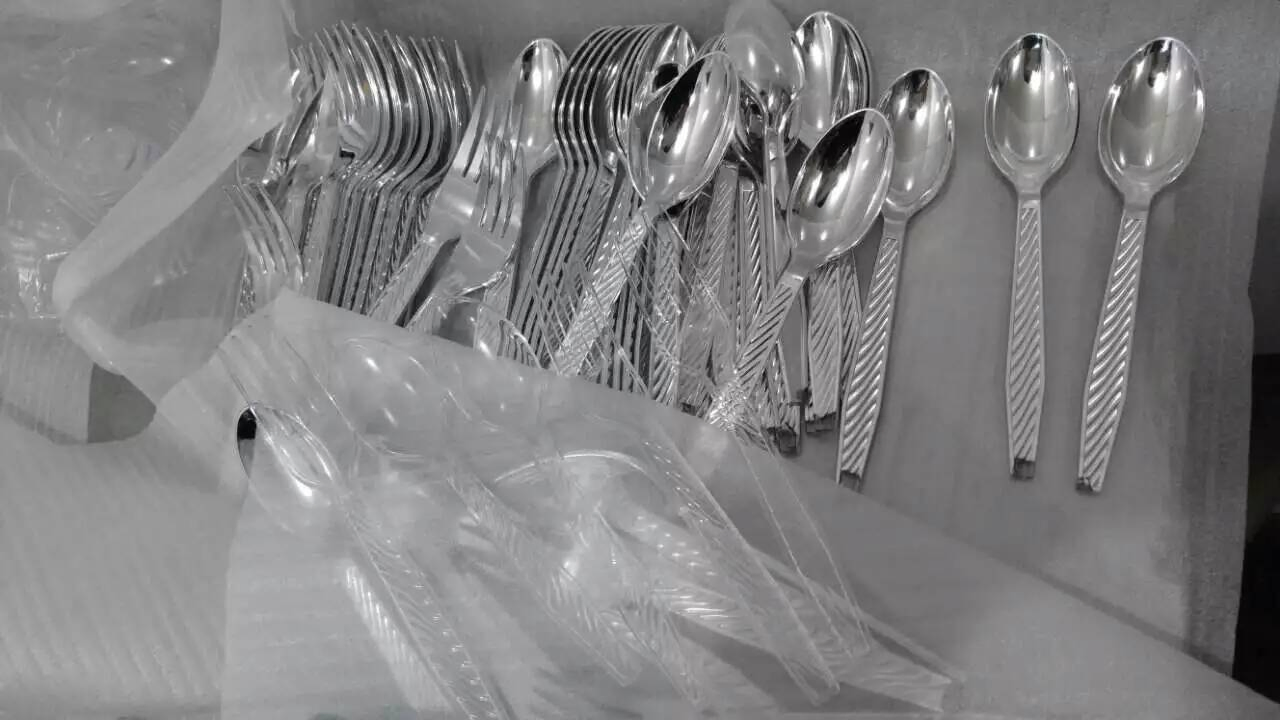
- Plastic and metal cutlery
Frequently Asked Questions
Q1: What materials can be coated using the CCZK-ION system?
The system is highly versatile and can coat a variety of substrates including stainless steel, glass, metal, ceramic, and crystal.
Q2: What are the primary applications of this magnetron sputtering machine?
It is widely used for sanitary ware, car wheels, hardware, cutlery, solar reflective glass, and automotive mirrors.
Q3: What colors can be achieved through this PVD process?
The machine can produce a wide range of decorative colors including Golden, Rose Gold, Black, Blue, and Rainbow colors.
Q4: Can the chamber size be customized?
Yes, the vacuum chamber size can be fully customized according to the specific detail requirements of the client's products.
Q5: What kind of after-sales service is offered for international buyers?
We provide free training and overseas after-sales support. Buyers can send engineers to our factory for training, or our engineers can visit the customer's site for installation and professional guidance.
Q6: What gases are required for the sputtering process?
The typical gases used include Nitrogen, Argon, Oxygen, and Acetylene, depending on the desired coating film and properties.
 Wigivida Medical