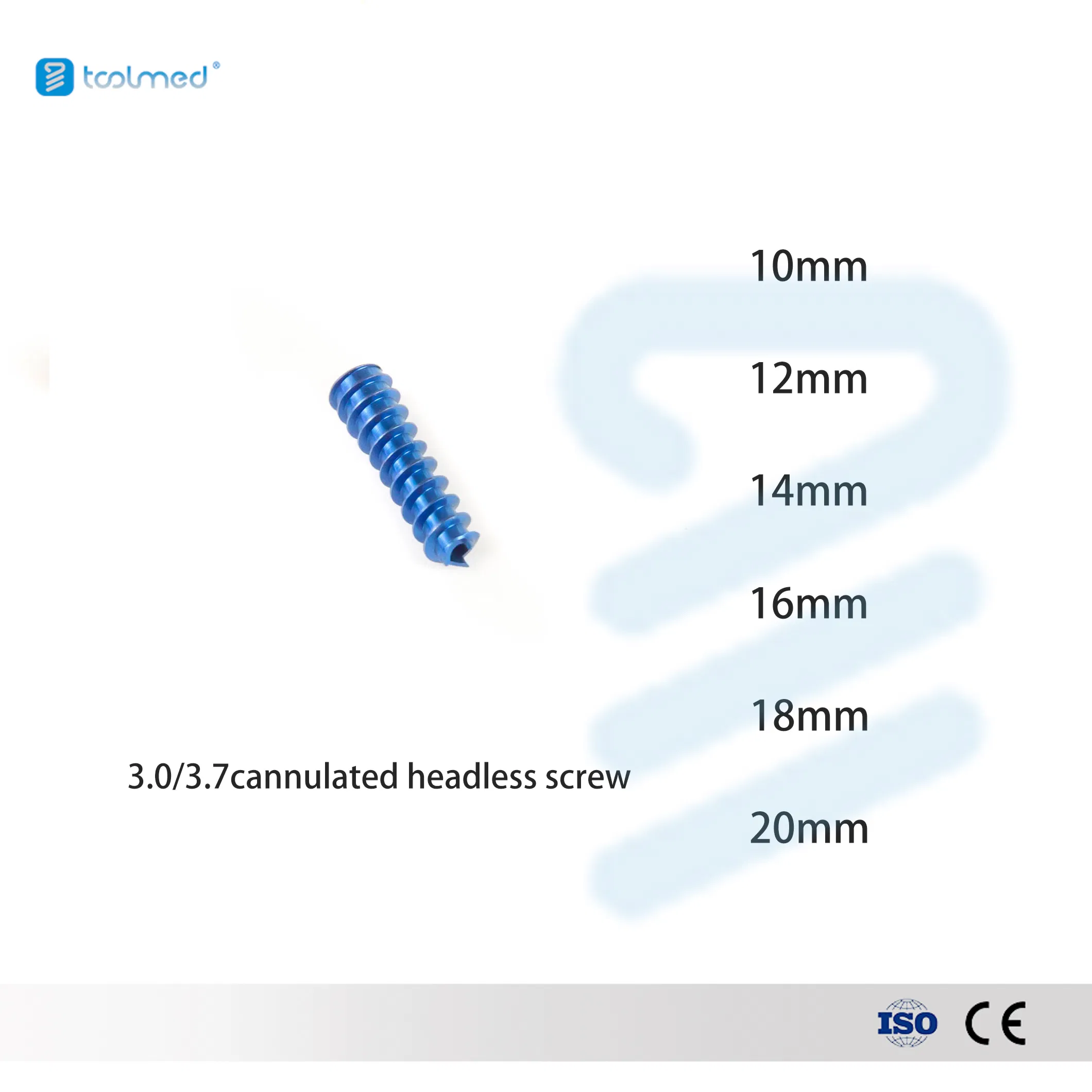
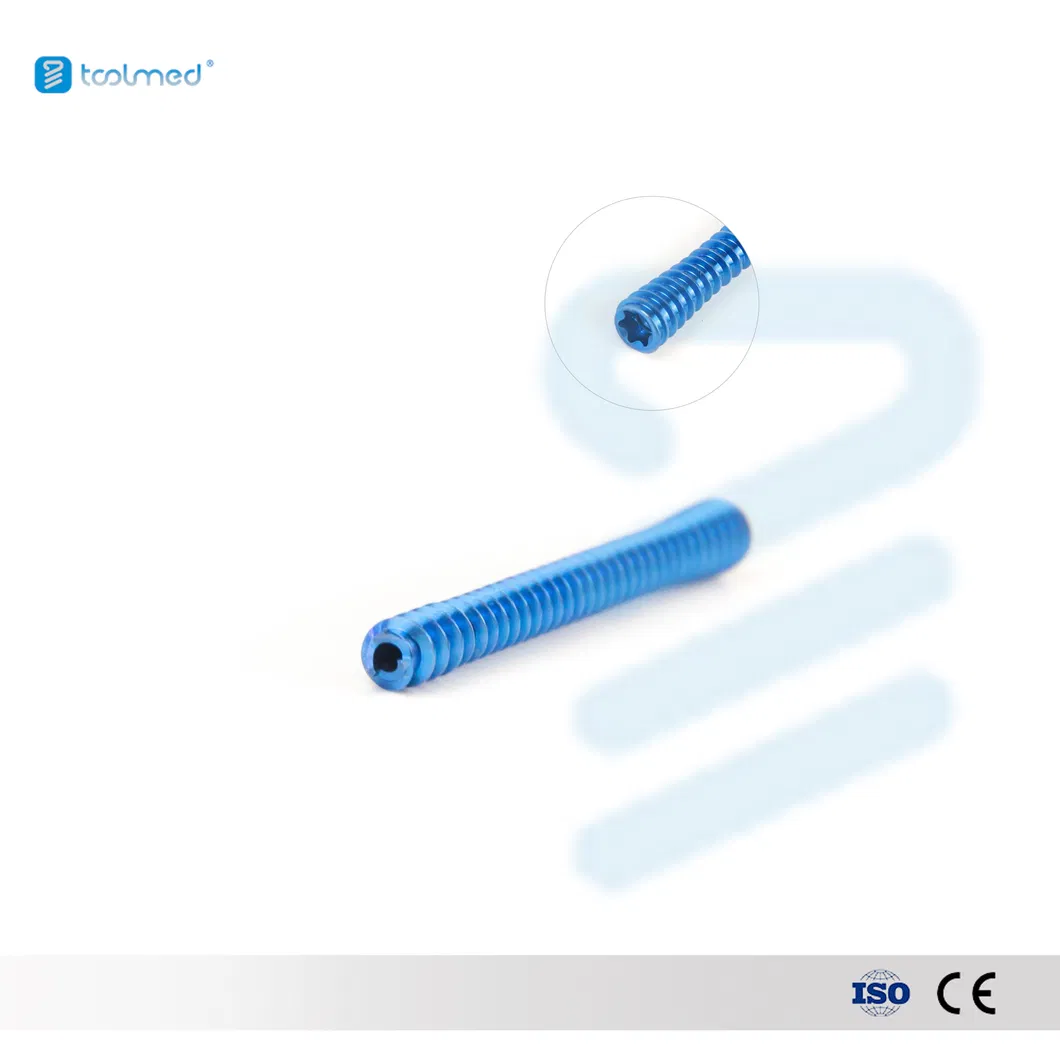
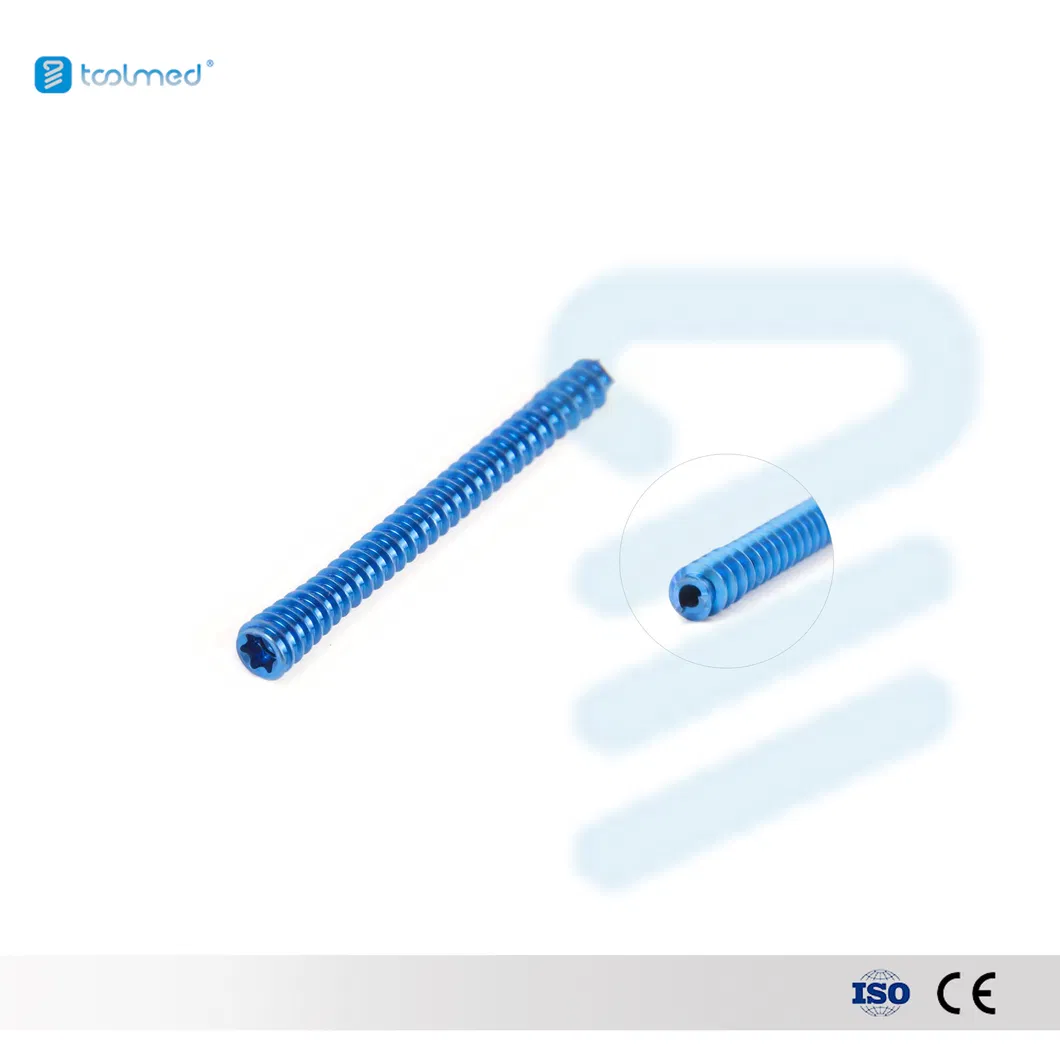
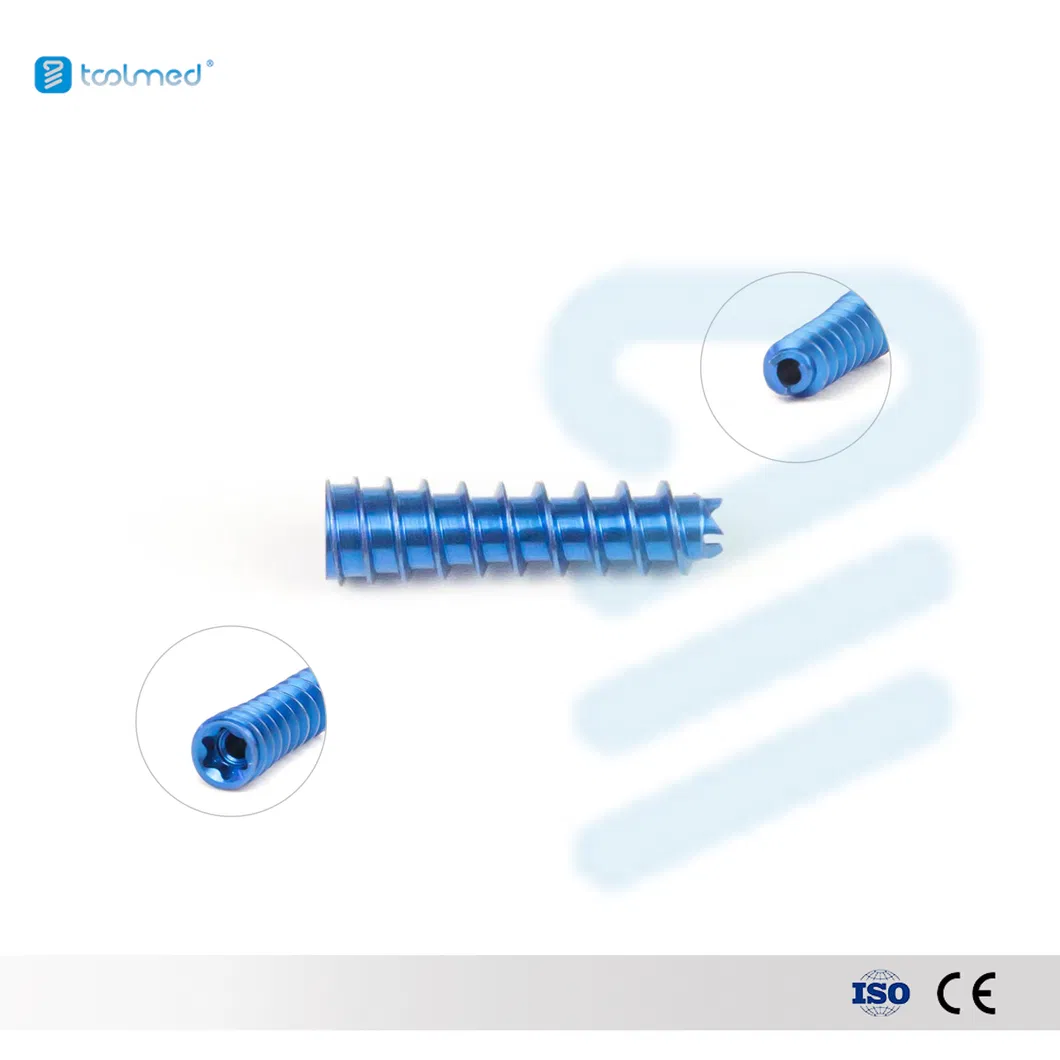
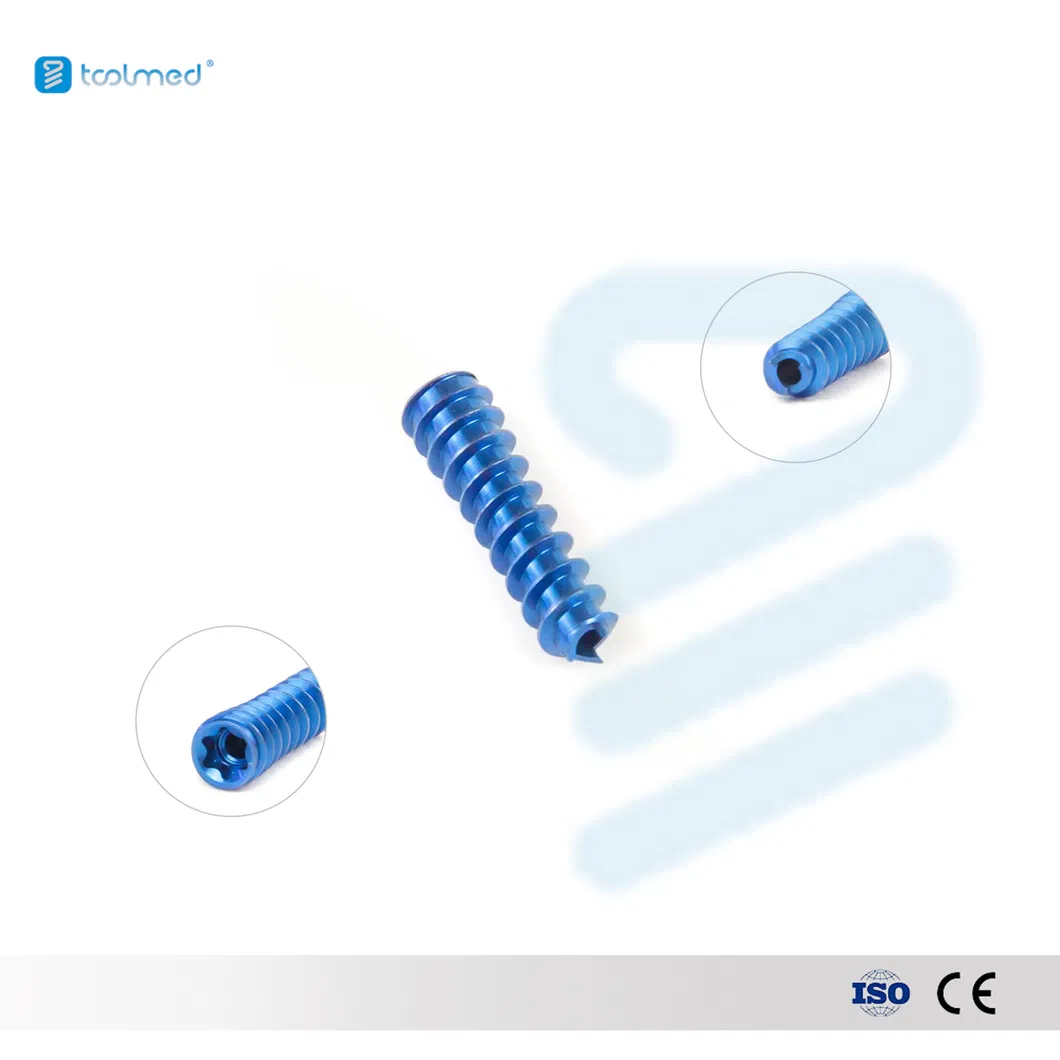
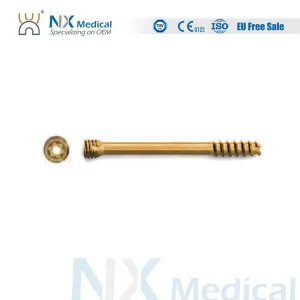
What is a Cannulated Headless Compression Screw?
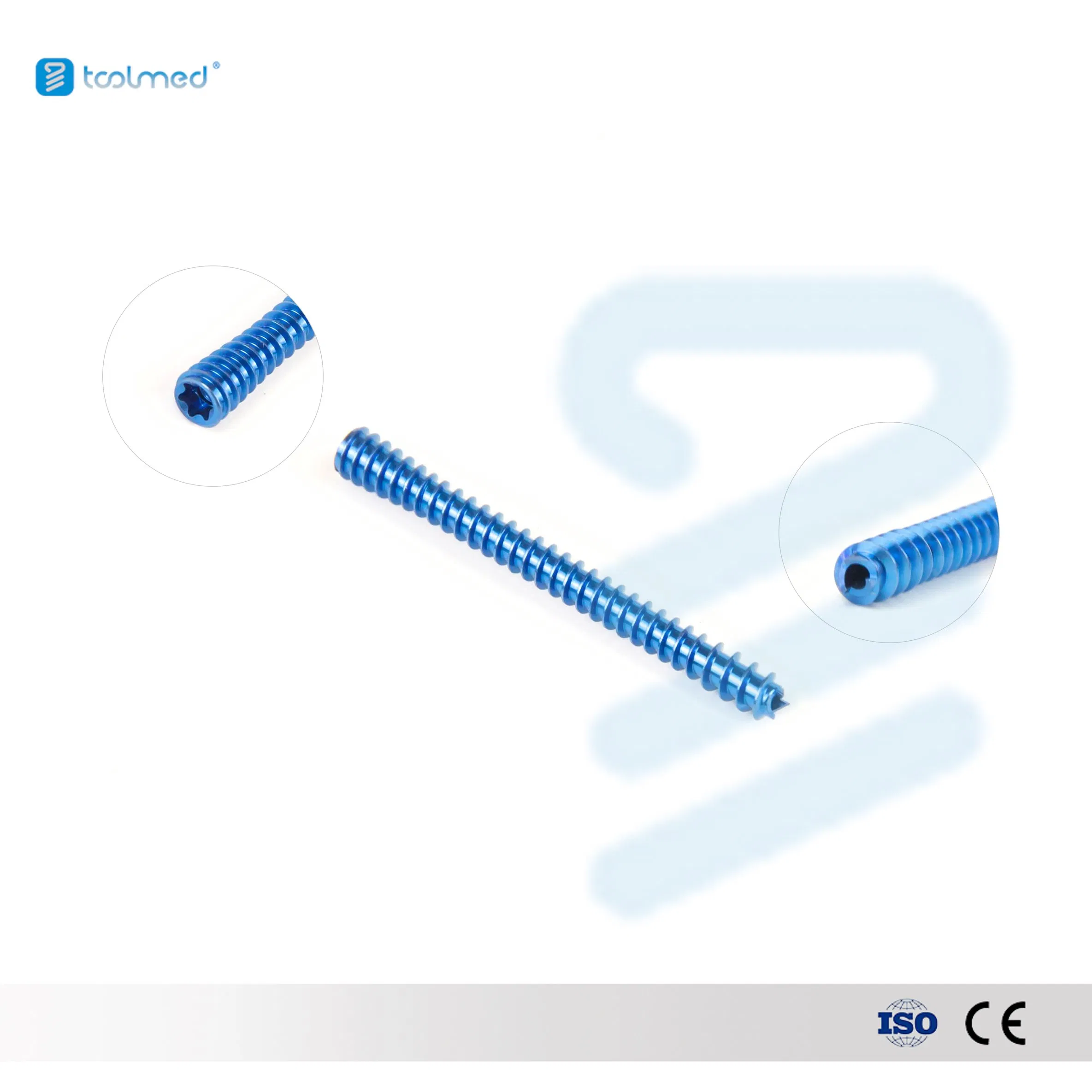
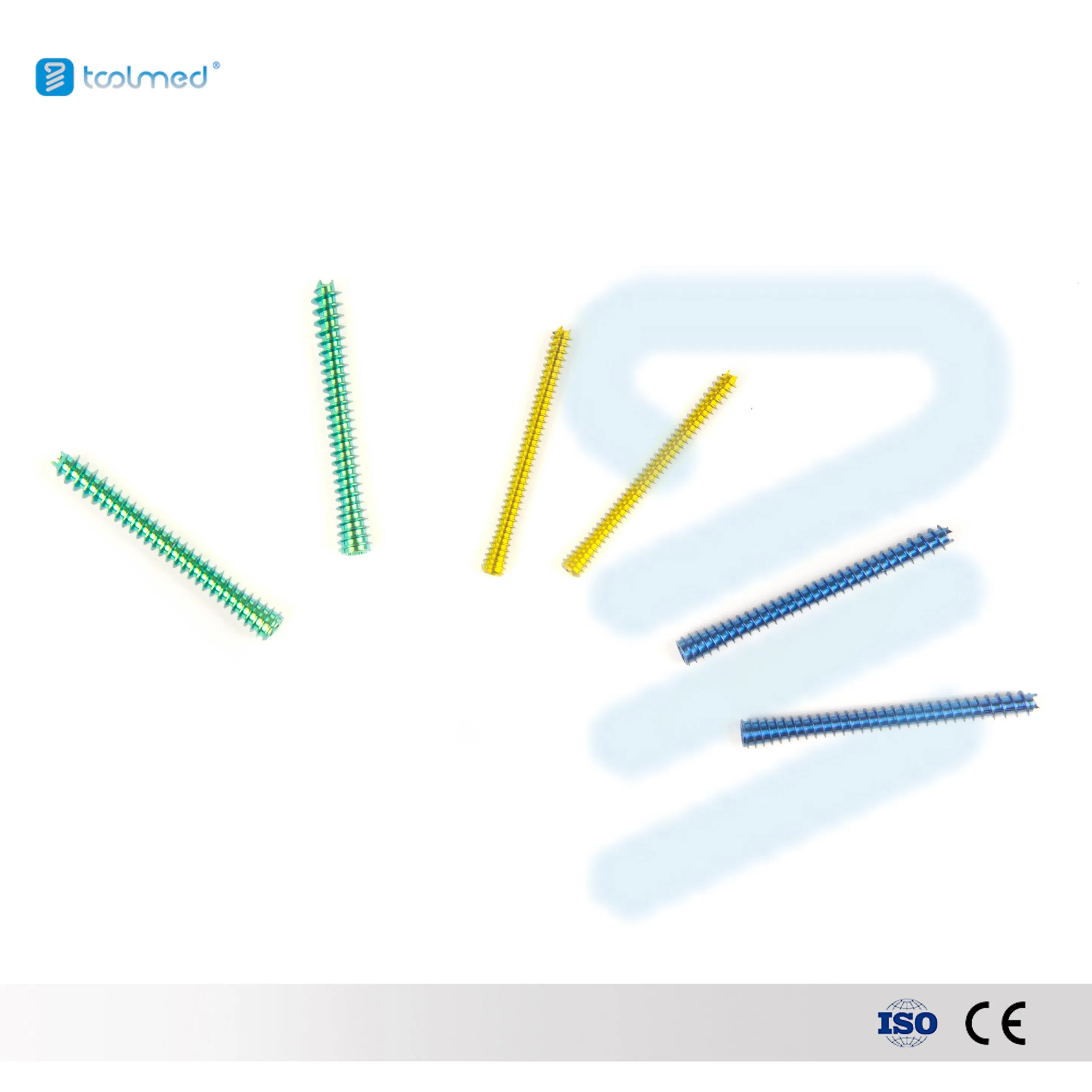
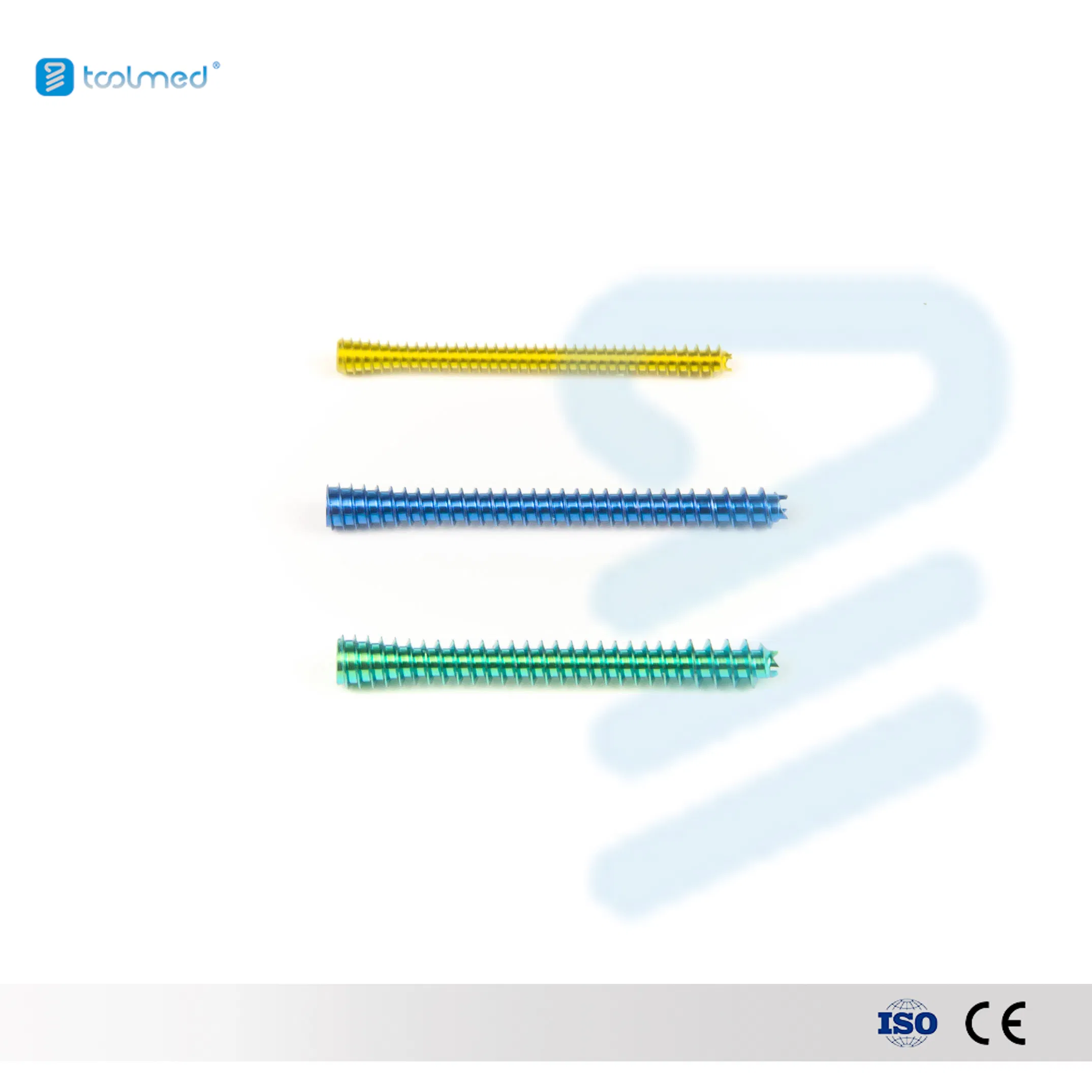
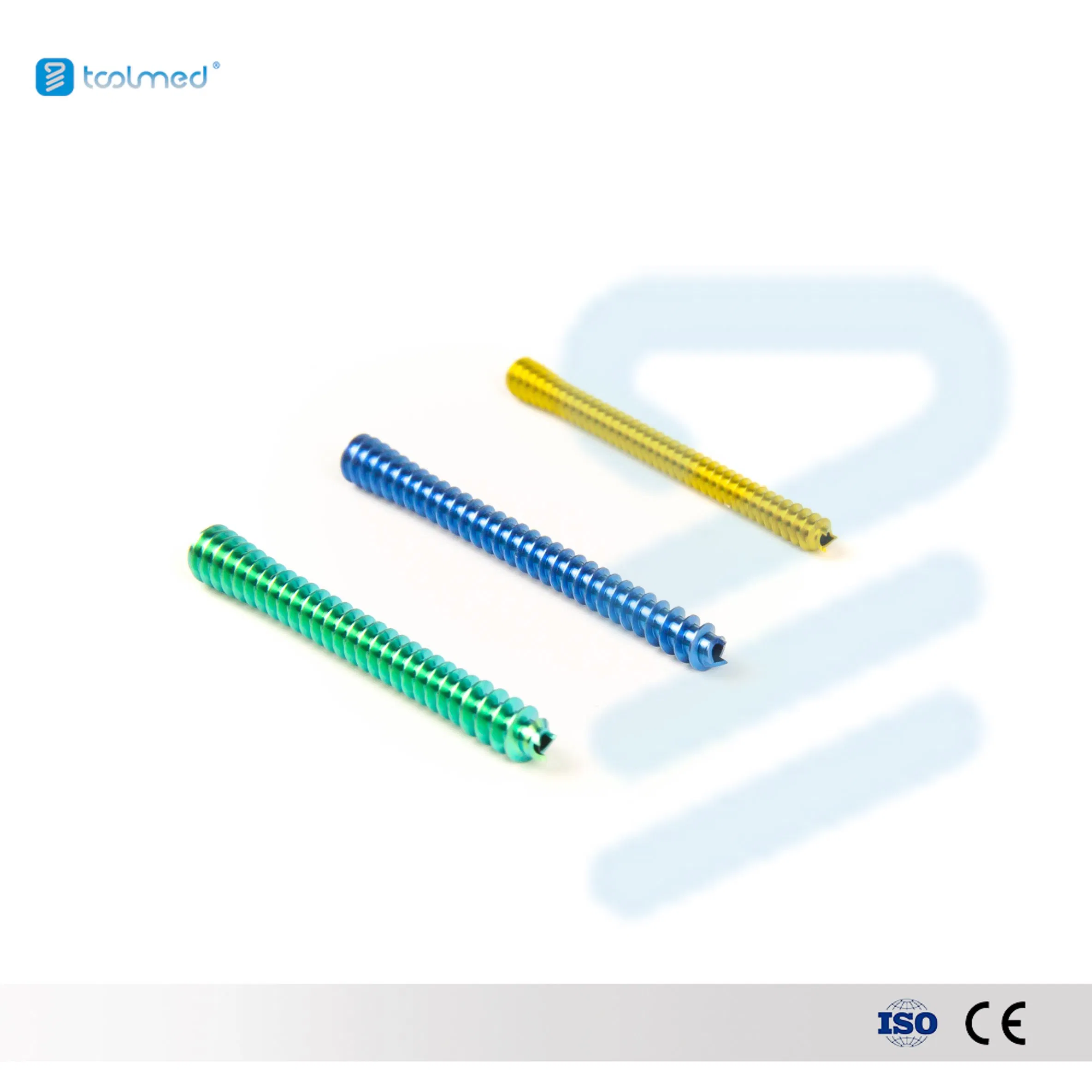
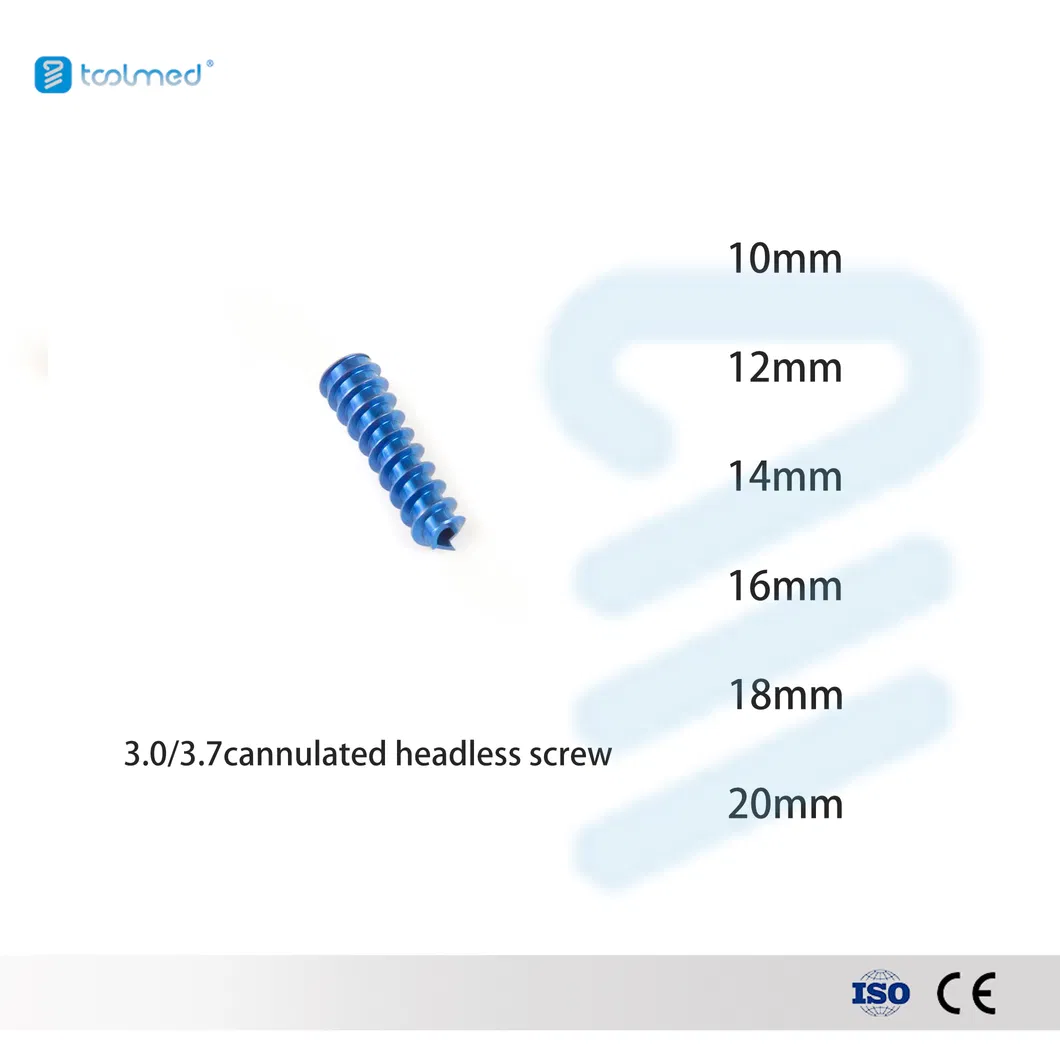
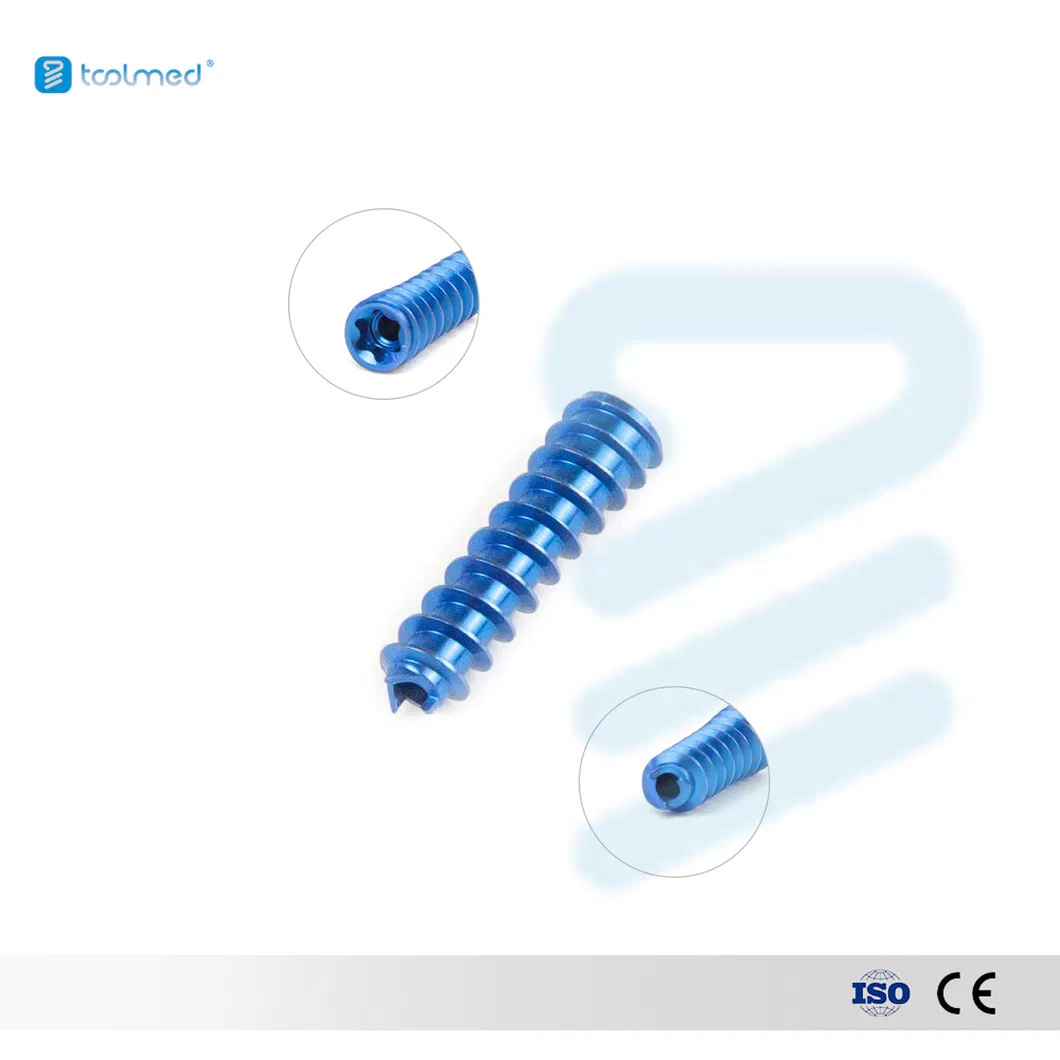
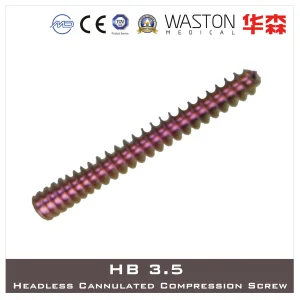
The Headless Compression Screw is a specialized cannulated screw used primarily for scaphoid fracture fixation. This innovative design allows the screw to generate compression across the fracture site before being fully countersunk below the articular surface, ensuring stability without interfering with joint movement.
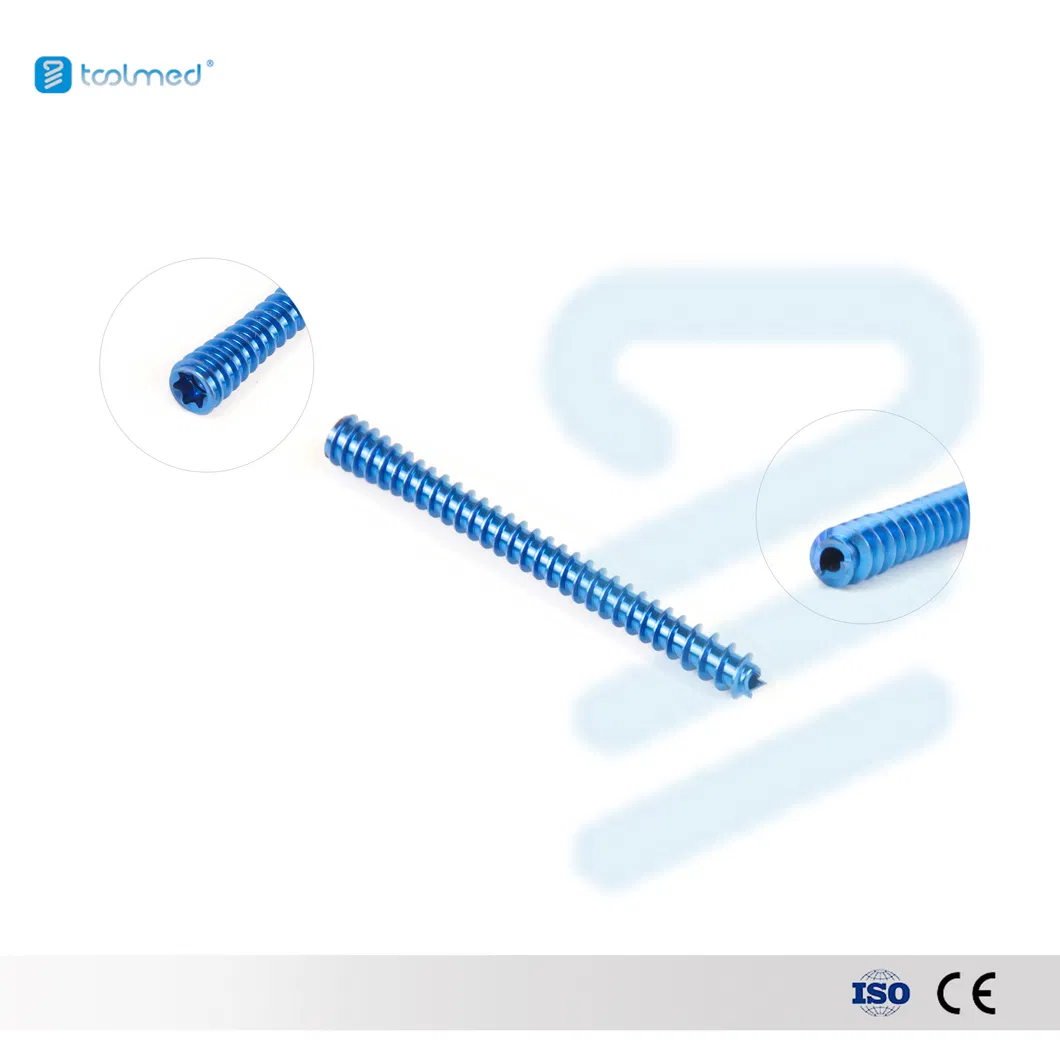
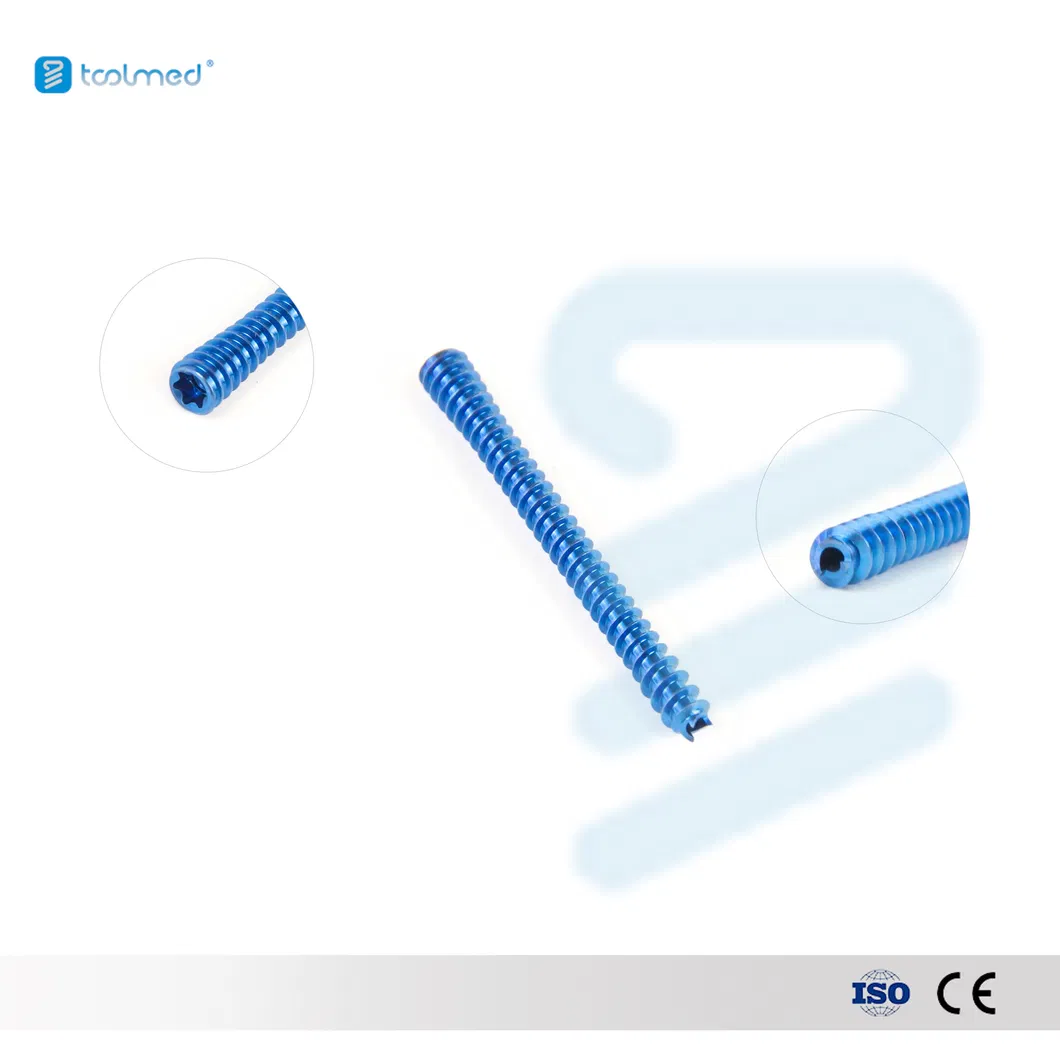
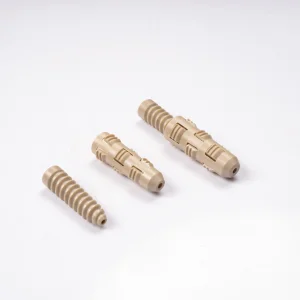
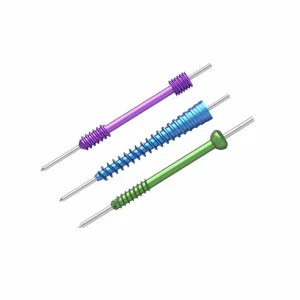
Key Concept: Unlike traditional screws with protruding heads, CHCS screws are headless with a tapered design. They are cannulated (hollow-centered), allowing for precise guide wire insertion during complex orthopedic procedures.
Surgical Technique Guide
1
Incision and Exposure: Create a 1-3 cm incision near the fracture site, avoiding nerves and vessels. Carefully separate soft tissues to expose the fracture end.
2
Fracture Reduction: Restore the bone to its anatomical position using manual traction and rotation. Accuracy is confirmed via C-arm fluoroscopy.
3
Guide Wire Insertion: Insert the guide wire along the designed path under fluoroscopic guidance, ensuring it is perpendicular to the fracture plane.
4
Length Determination: Use a dedicated measuring device over the guide wire. Select a screw 2-4 mm shorter than the measured length for optimal countersinking.
5
Drilling: Use a cannulated drill bit of appropriate diameter. Irrigate with solution during drilling to minimize thermal injury to the bone.
6
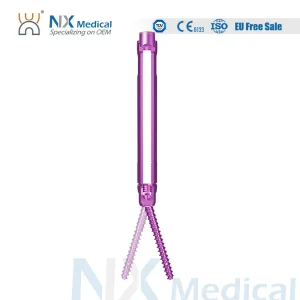
Screw Insertion & Fixation: Mount the screw onto the compression sleeve and advance over the guide wire. The dual-thread design closes and compresses the fracture as the screw is tightened flush with the bone.
7
Wound Closure: Irrigate the wound to remove debris and suture in layers (fascia, then skin) followed by appropriate dressing and splinting.
Advantages & Clinical Indications
Cannulated Headless Compression Screws (CHCS) offer significant benefits for both surgeons and patients:
- Reduced Soft Tissue Irritation: Headless design prevents hardware from protruding.
- Superior Stability: Provides high compression across fracture lines.
- Minimally Invasive: Can be inserted through small incisions using guide wires.
- Fast Recovery: Hollow center allows for irrigation and reduces infection risks.
- Versatility: Ideal for scaphoid, femur, tibia, and humerus fractures.
Frequently Asked Questions
Q: What materials are these cannulated screws made of?
These screws are typically manufactured from high-grade Titanium Alloy or Stainless Steel to ensure biocompatibility and structural integrity within the bone.
Q: How long is the typical recovery period after CHCS surgery?
Recovery varies by fracture severity. Most patients begin physical therapy a few weeks post-surgery, with significant improvement often seen over several months.
Q: Can these screws be removed after the bone has healed?
While they are designed for permanent internal fixation, they can be removed if they cause localized pain or other complications, subject to a physician's recommendation.
Q: What are the main indications for using headless compression screws?
They are primarily indicated for fractures of long bones, spiral fractures, nonunions (unhealed fractures), and malunions where stable compression is required.
Q: What makes the "cannulated" design advantageous?
The hollow center allows a guide wire to be placed first. This ensures the screw follows the exact desired path, increasing surgical precision and reducing operating time.
Q: Are there any specific activity restrictions post-surgery?
Patients are generally advised to avoid weight-bearing on the affected limb for several weeks. Following a specific rehabilitation protocol is essential for a successful outcome.
 Wigivida Medical