Railway Shoulder

Still deciding? Get samples of $ !
Request Sample

Product Description

Basic Information
Model NO.
BS
Certification
ISO9001
Quality
High Quality
Transport Package
Bundles by Steel Wire Rod
Trademark
BS
Origin
China
HS Code
73021000
Production Capacity
500,000 ton/Year
Product Description

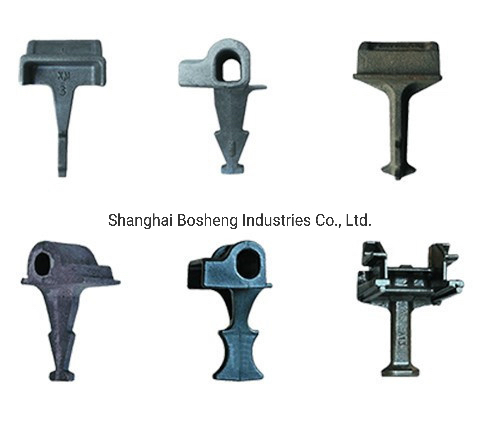
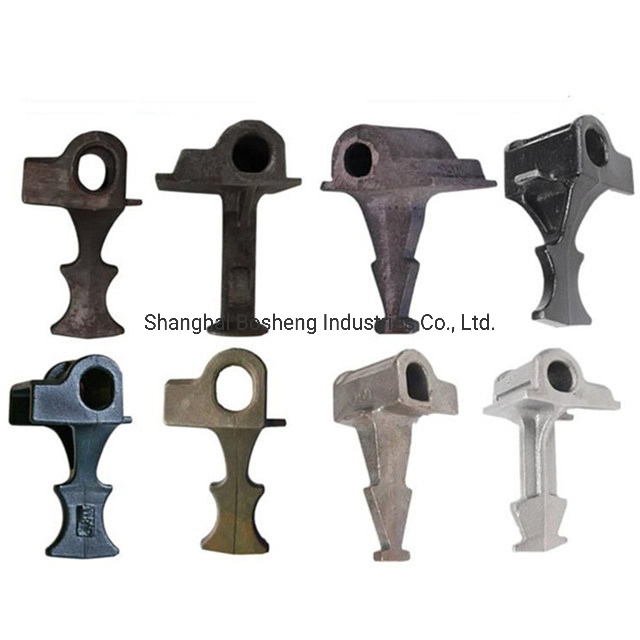
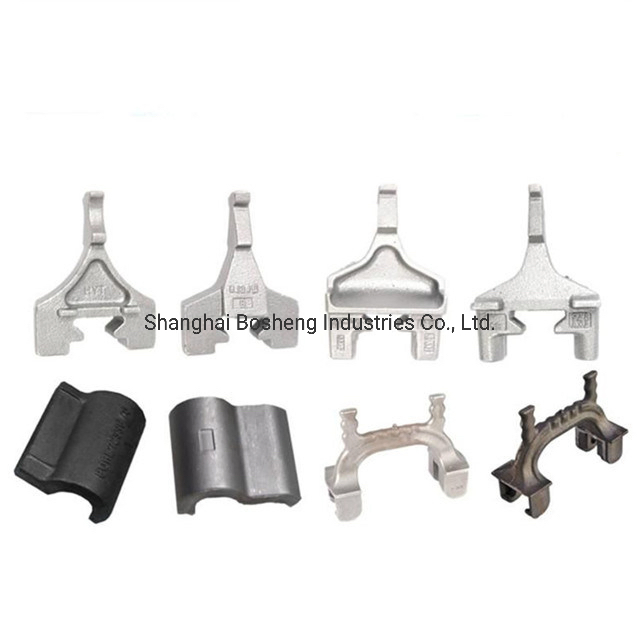
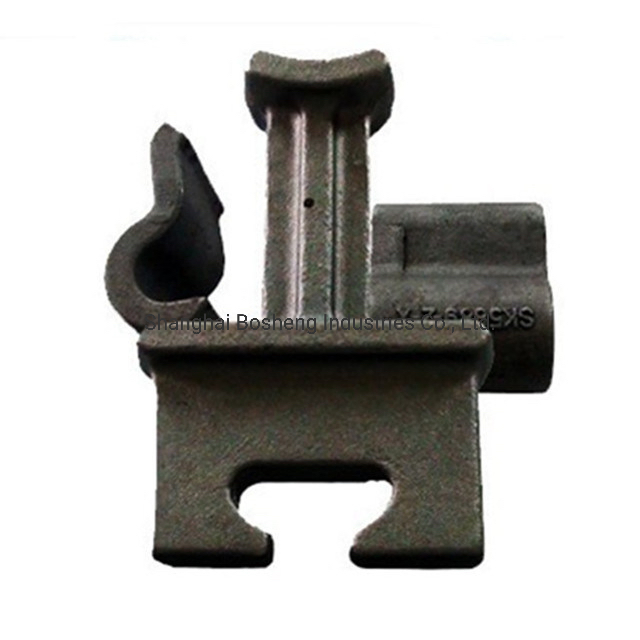
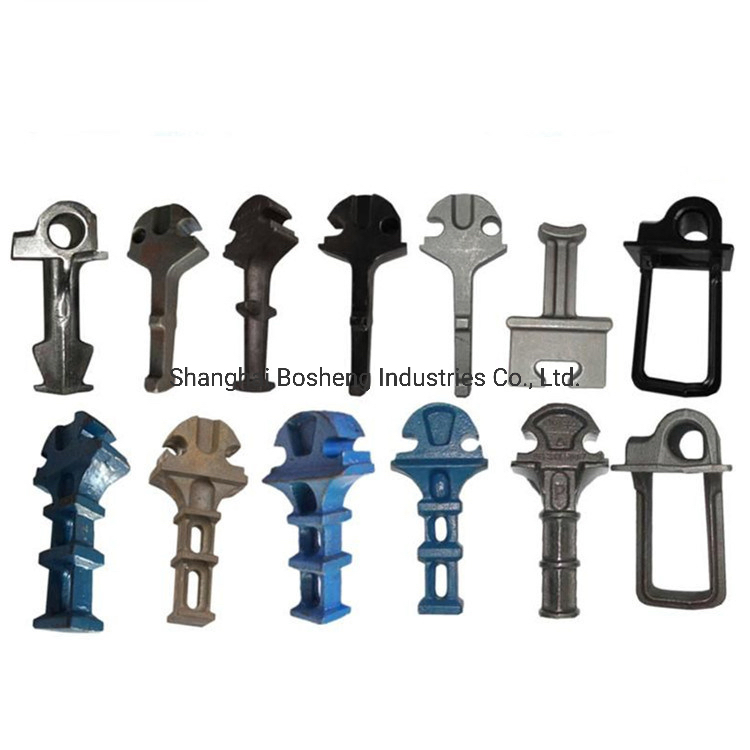
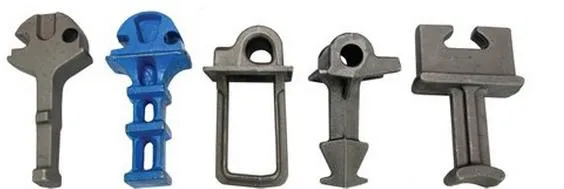
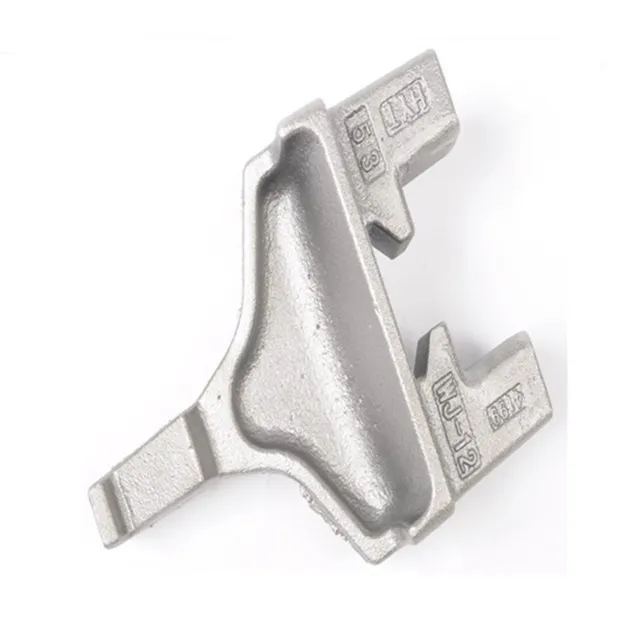
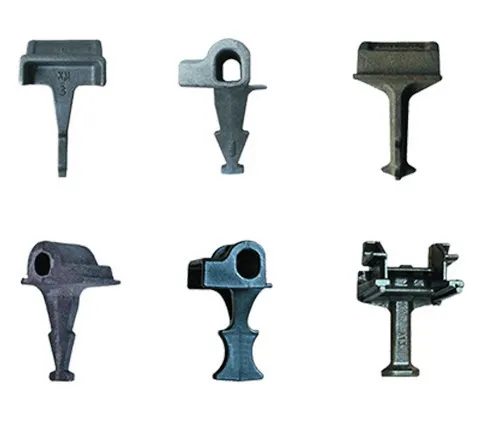
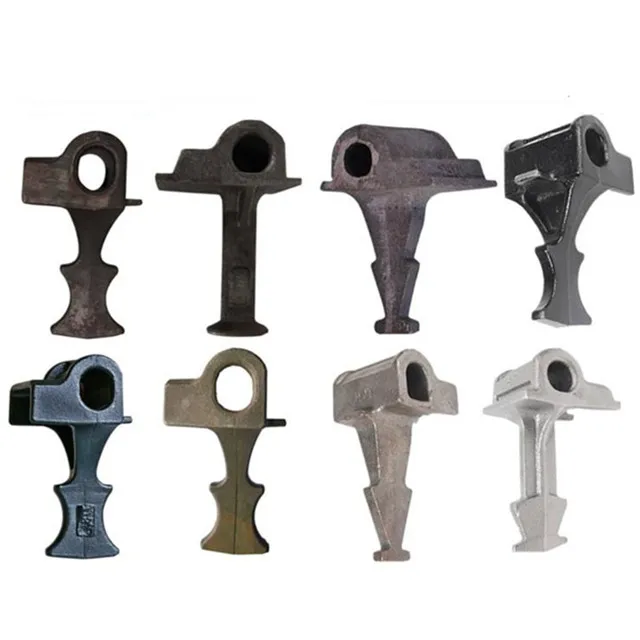
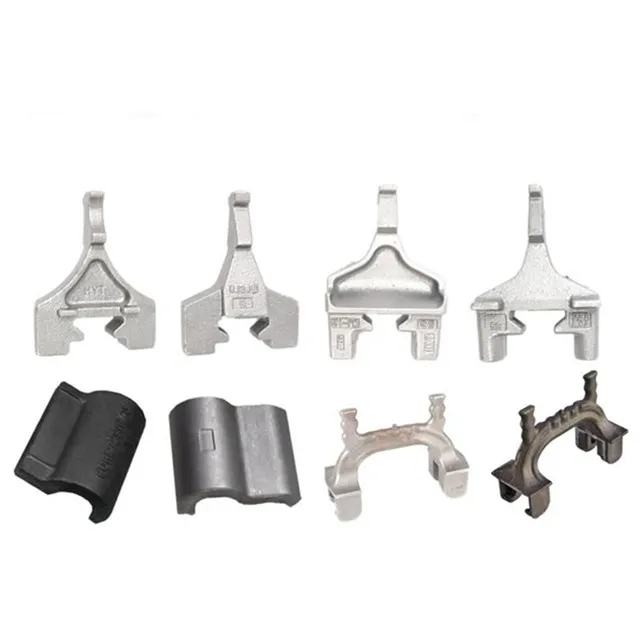
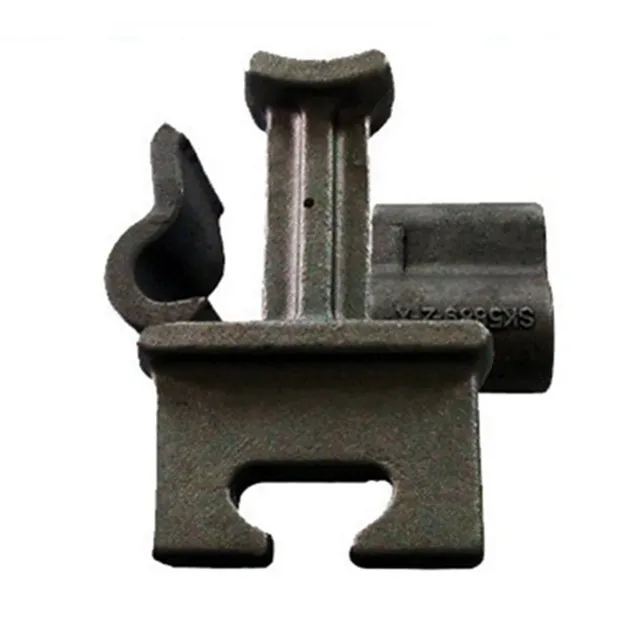
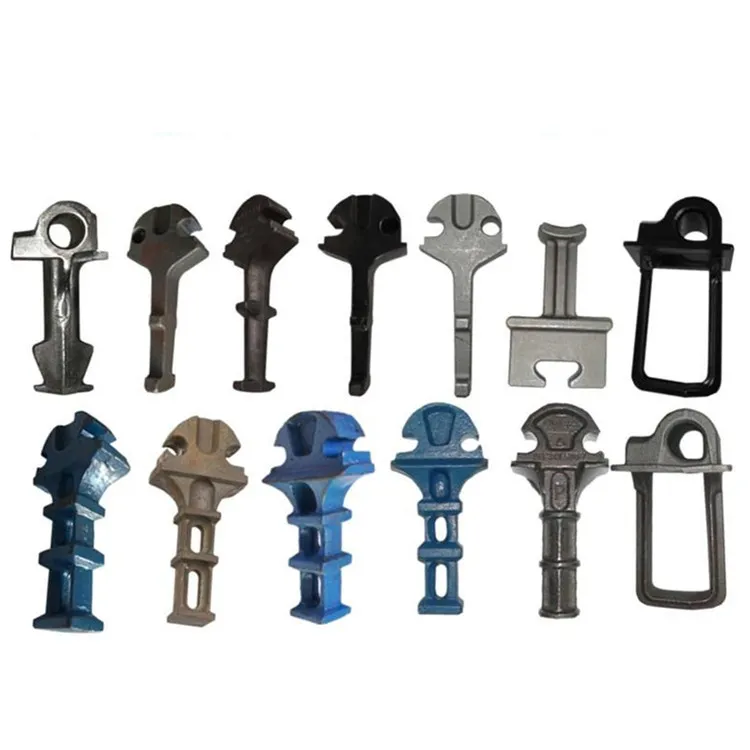
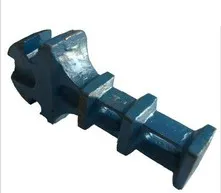
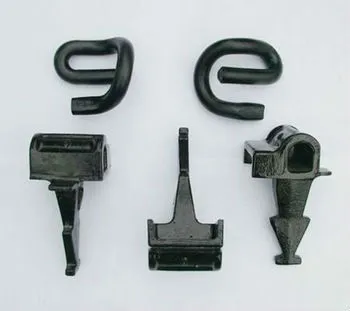
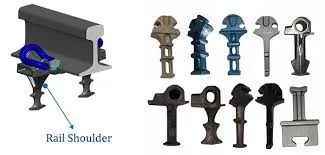
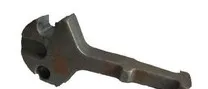
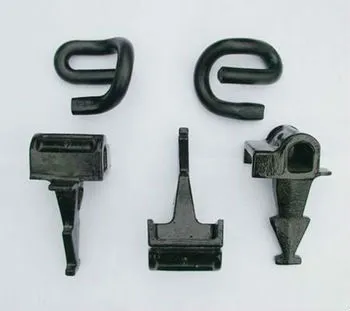
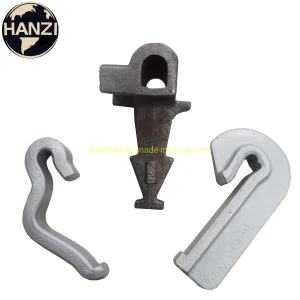
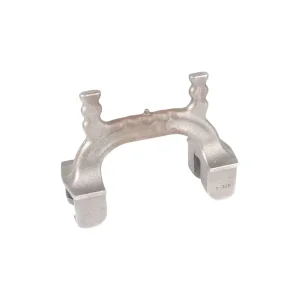
Rail shoulder, also known as rail iron shoulder, is a critical component cast into concrete ties to secure elastic rail clips. These components are essential for maintaining track gauge and providing lateral support to the rails.

Classification by Shape and Type:

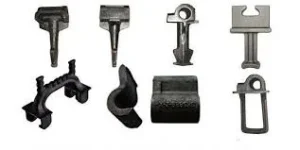
Single Stem Rail Iron Shoulder: Typically used in pre-stressed concrete ties.
Twin Stems Rail Iron Shoulder: Designed for Bi-Block or Twin Block concrete ties.
Cast-in Shoulder: Embedded in concrete at the time of casting for maximum stability.
Weld-on Shoulder: Fixed via welding processes for specific track requirements.

Our manufacturing processes utilize three primary methods: casting, weld-on, and hot forging, ensuring a versatile range of solutions for global railway infrastructure.

Quality Management & Inspection

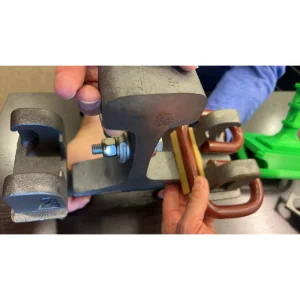
As an ISO 9001 certified manufacturer, we adhere to a rigorous quality management system throughout the production cycle:
📍
Raw Material Testing: Comprehensive verification of production batch numbers, chemical composition, and mechanical properties before production begins.
📍
In-Process Sampling: Quality control inspectors perform regular batch testing and provide raw material certificates to monitor manufacturing standards.
📍
Physical & Chemical Analysis: Specialized inspections tailored to specific rail shoulder requirements to ensure all materials meet performance standards.
📍
Technical Guidance: We coordinate quality control meetings and provide technical guidance to ensure only qualified products are delivered to customers.
Frequently Asked Questions (FAQ)
Q1: What is the primary function of a rail shoulder?
A1: The rail shoulder is embedded in concrete ties to grip the elastic rail clip effectively and provide essential lateral support to the railway rail.
Q2: How are rail shoulders classified by manufacturing method?
A2: They are generally divided into three types: casting rail shoulders, weld-on rail shoulders, and hot forging rail shoulders.
Q3: What is the difference between Single Stem and Twin Stem shoulders?
A3: Single Stem Iron Shoulders are used in pre-stressed concrete ties, while Twin Stem Iron Shoulders are specifically designed for Bi-Block or Twin Block concrete ties.
Q4: What quality certifications do your rail shoulders meet?
A4: All production processes comply with ISO 9001 standards, ensuring high quality through strict chemical and physical testing.
Q5: What is the annual production capacity for these components?
A5: We have a robust production capacity of approximately 500,000 tons per year to meet large-scale infrastructure demands.
Q6: Are the raw materials tested before manufacturing?
A6: Yes, raw materials are checked for batch numbers, chemical composition, and mechanical properties before any production of rail shoulders begins.

Related Products