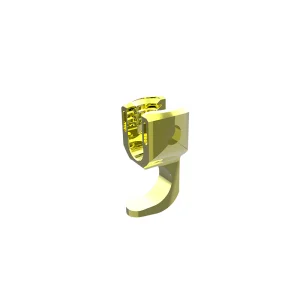
The global spinal implants and surgery devices market is witnessing a significant transformation, driven by an aging population and an increasing prevalence of spinal disorders such as scoliosis, spondylolisthesis, and degenerative disc diseases. As a premier Spinal Hooks & Rods Factory, we observe that the demand for posterior fixation systems remains the cornerstone of spinal surgery. The market is no longer just about stability; it is about biological integration and minimally invasive application.
In regions like North America and Europe, the focus has shifted toward high-end titanium alloys and cobalt-chrome materials that offer superior fatigue resistance. Meanwhile, in emerging markets across the Asia-Pacific and Latin America, there is a surging need for high-quality, cost-effective spinal implant suppliers who can provide reliable hardware that meets international standards like CE and FDA. The integration of 3D printing and computer-aided design (CAD) has allowed factories to produce hooks with anatomical precision, reducing surgery time and improving patient outcomes.
Global Spinal Market
Annual Growth Rate
Usage in Deformity
Years of Yuna Expertise
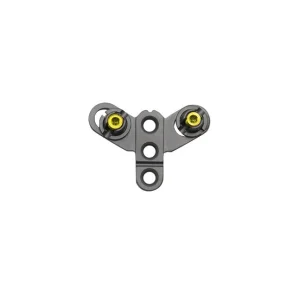
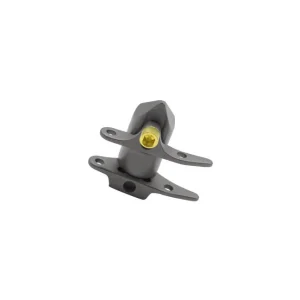
Current trends in spinal fixation are leaning heavily toward Low-Profile Designs and Biocompatible Surface Treatments. Modern spinal hooks are designed to minimize soft tissue irritation while providing maximum grip on the lamina or pedicle. Innovations such as "offset" hooks and "pediatric-specific" sizes are expanding the surgical repertoire.
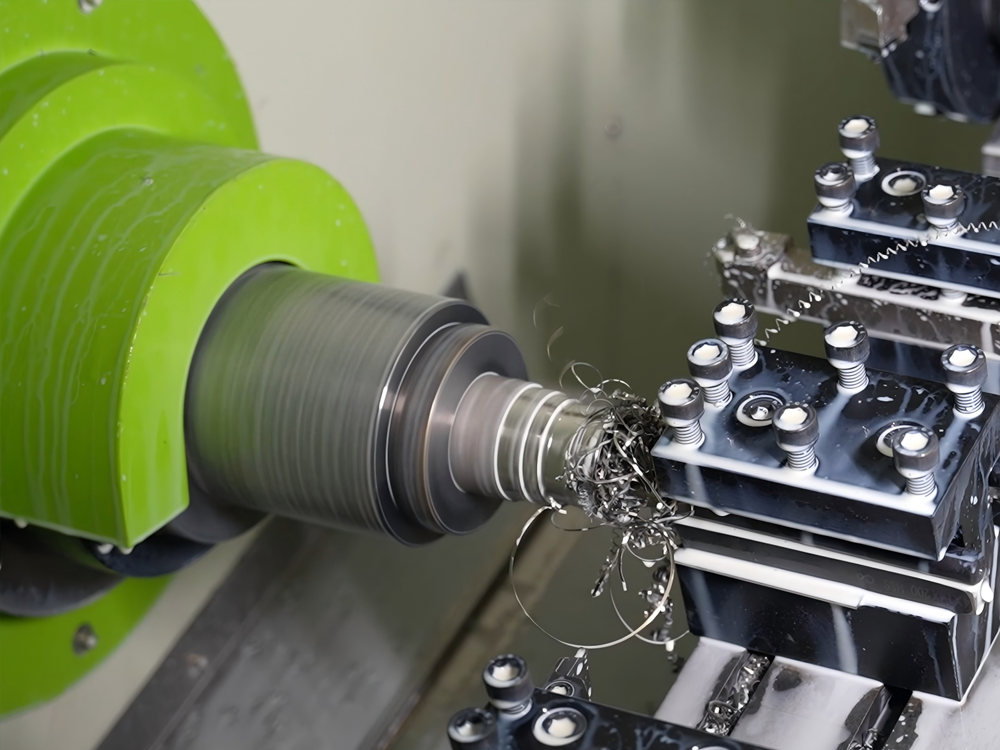
Technological convergence is also a key driver. Robotic-assisted surgery and navigation systems require spinal rods and hooks with high dimensional accuracy. As a forward-thinking manufacturer, we utilize Swiss-type CNC machining to ensure every hook meets sub-micron tolerances, ensuring perfect compatibility with global surgical instrument sets.
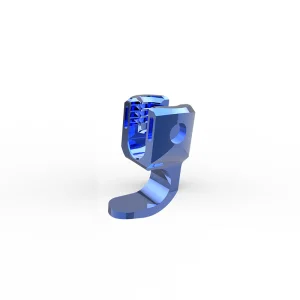
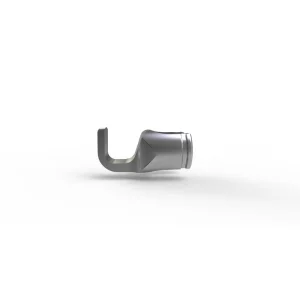
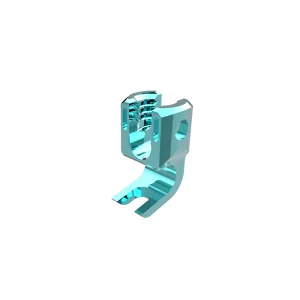
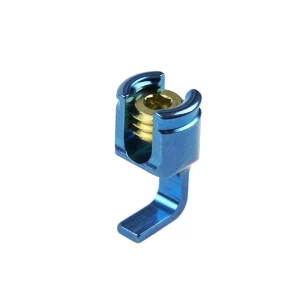
Featured Product: Ultra-Durable Broadband Lamina Hook
For hospital procurement departments and medical device distributors, selecting the right Spinal Hooks & Rods Supplier involves rigorous vetting. Key requirements typically include:
Products must carry CE, ISO 13485, and often FDA clearance to ensure patient safety and legal sale in international markets.
Strict traceablity of raw materials (medical-grade titanium) to prevent implant rejection or structural failure under physiological loads.
Factories must demonstrate the ability to maintain stock levels and offer rapid customization (OEM/ODM) for specific clinical needs.
Suppliers are expected to provide comprehensive surgical manuals and technical support to assist surgeons in mastering complex fixations.
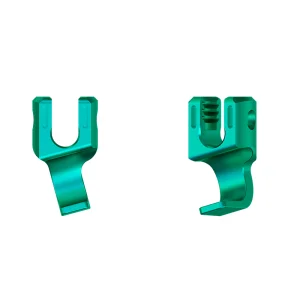
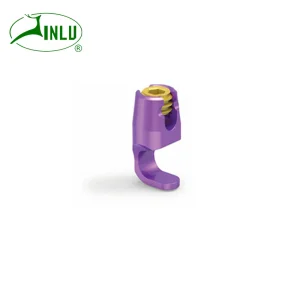
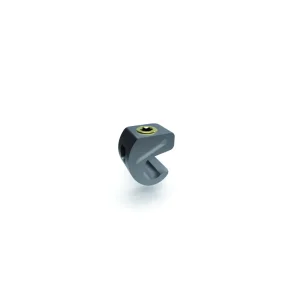
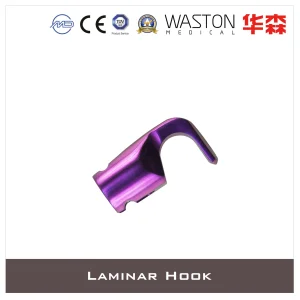
Featured Product: Premium Wide Blade Spinal Hook
Spinal hooks are versatile instruments used across various clinical scenarios. In Scoliosis Correction, hooks are often used at the ends of a construct to provide stable "anchors" where pedicle screw placement might be anatomically challenging.
In Trauma Surgery, hooks provide a rapid fixation method for stabilizing thoracic fractures. For Degenerative Conditions, such as spondylolisthesis, hooks combined with rods offer the necessary distraction or compression forces to realign the spinal column. Our range covers everything from laminar hooks and pedicle hooks to specialized transverse process hooks, ensuring surgeons have the right tool for every vertebral level.
Changzhou Yuna Medical Apparatus And Instruments Co., Ltd. represents the pinnacle of Chinese medical manufacturing. Established in 1992, we have transitioned from a local workshop to a global powerhouse. Choosing a Chinese Spinal Hooks Factory like Yuna Medical offers several strategic advantages:
With three decades of experience, we have refined our production processes to achieve world-class quality at a fraction of the cost of Western competitors. Our longevity is a testament to our reliability.
Over 20% of our staff is dedicated to R&D. We collaborate with top-tier universities to bring "AI-enhanced" design logic to our orthopedic solutions, ensuring our implants are ahead of the curve.
Our facility is certified by ISO, CE, FDA, and CCC. Every spinal hook undergoes rigorous fatigue testing and surface inspection before leaving our cleanroom facilities.
We offer flexible partnership models, from direct supply to hospitals to private-label OEM manufacturing for global brands, backed by efficient international shipping networks.
Changzhou Yuna Medical Apparatus And Instruments Co., Ltd. is guided by the spirit of “Expanding with love, Striving for progress.” We are committed to technological innovation that empowers clinical professionals and benefits patients worldwide.

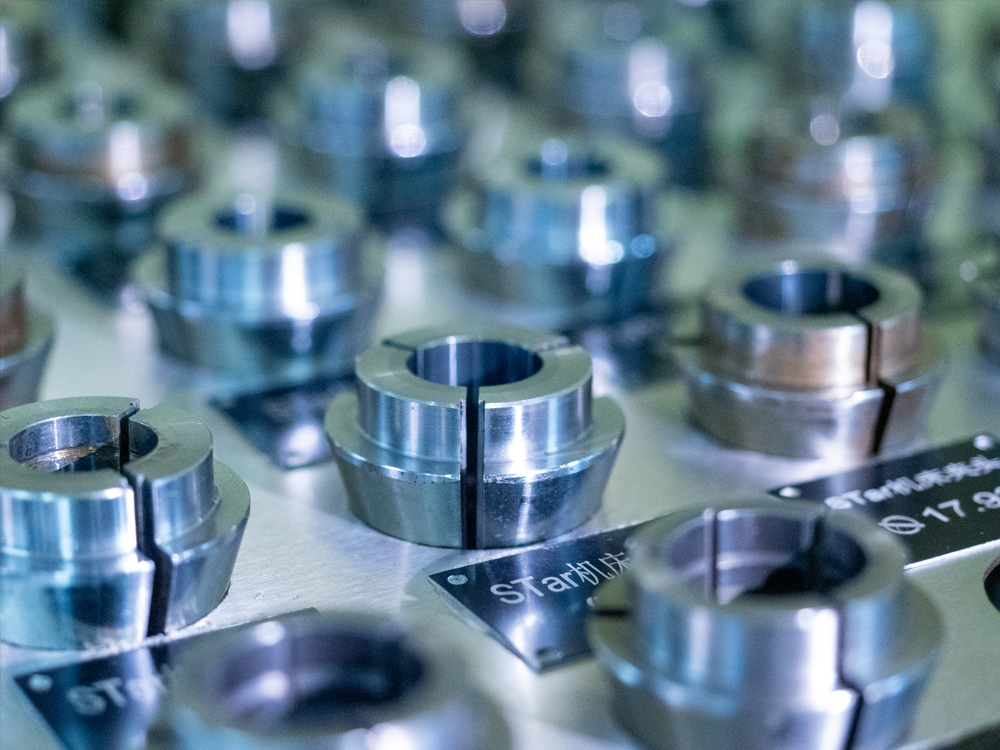
Spinal fixation has come a long way since the introduction of the Harrington rod system in the 1960s. While Harrington rods revolutionized scoliosis treatment, they relied on distraction and often led to "flat back syndrome." The modern era of spinal instrumentation, characterized by the segmental spinal fixation approach, uses multiple hooks and pedicle screws connected by longitudinal rods. This allows for three-dimensional correction of spinal deformities.
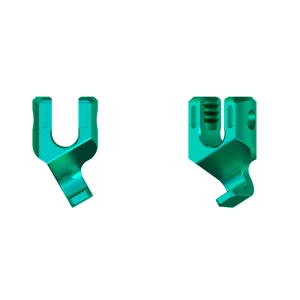
Our Spinal Hooks are designed to interface with various anatomical structures. Pedicle hooks are contoured to fit under the pedicle, while laminar hooks wrap around the lamina. For the thoracic spine, where pedicles are narrow, hooks often provide a safer alternative to screws, reducing the risk of neurological injury. The rods themselves are available in various diameters, typically 5.5mm or 6.0mm, and are cold-worked to enhance their fatigue strength. As a leading supplier of spinal rods, we ensure that our rods offer the perfect balance of stiffness for stability and ductility for intraoperative contouring.
At Yuna Medical, we prioritize material science. Our spinal hooks and rods are primarily manufactured from Ti-6Al-4V ELI (Extra Low Interstitial) alloy. This material is chosen for its excellent biocompatibility, high strength-to-weight ratio, and MRI compatibility. The surface is treated with specialized anodization to create a titanium oxide layer, which enhances corrosion resistance and reduces the release of metal ions into the surrounding tissue.
Furthermore, our engineering team focuses on "low-profile" engineering. This means the height of the hook-rod interface is minimized to reduce the risk of hardware prominence in thin patients, particularly in pediatric cases. Every component is subjected to dynamic loading tests that simulate millions of cycles of physiological movement, ensuring that the implant remains stable throughout the patient's fusion process.
Looking forward, the demand for orthopedic spinal implants will continue to grow in tandem with healthcare infrastructure improvements globally. China’s role as a major manufacturing hub is evolving; we are no longer just a high-volume producer but a center for high-tech medical innovation. Yuna Medical is at the forefront of this shift, investing in sustainable manufacturing practices that reduce waste while increasing precision through automated robotics.
We invite global distributors, surgical hospitals, and medical research institutions to partner with us. Whether you require a standard posterior cervical system or a customized thoracolumbar fixation solution, our factory in Changzhou is equipped to deliver excellence. By choosing Yuna Medical, you are choosing 30 years of clinical trust, engineering mastery, and a commitment to restoring patient mobility.
 Wigivida Medical